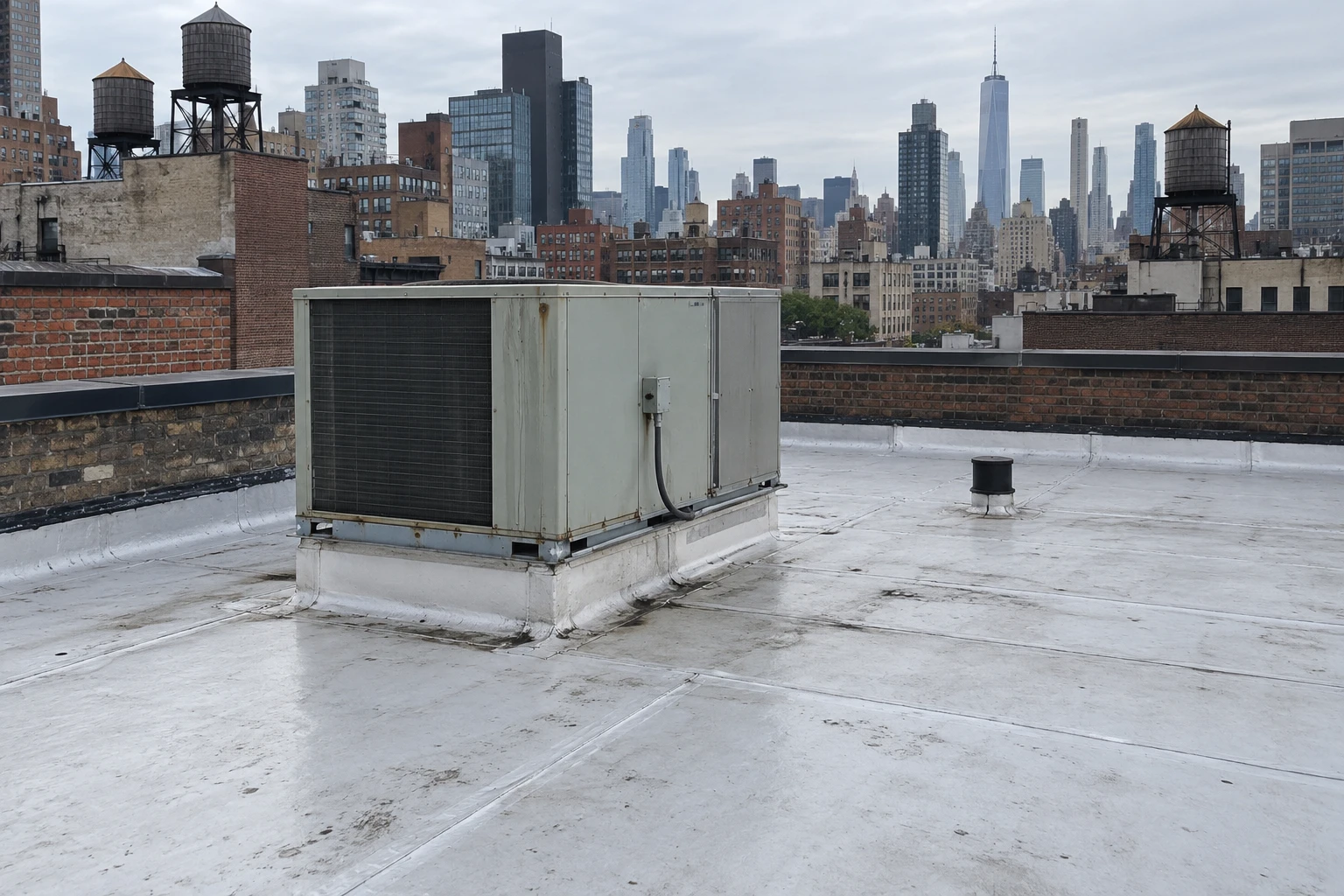
Water-based acrylic roof coatings for Manhattan, NY flat roofs that drain well: drainage checks, cure windows, reinforcement, maintenance and file records.
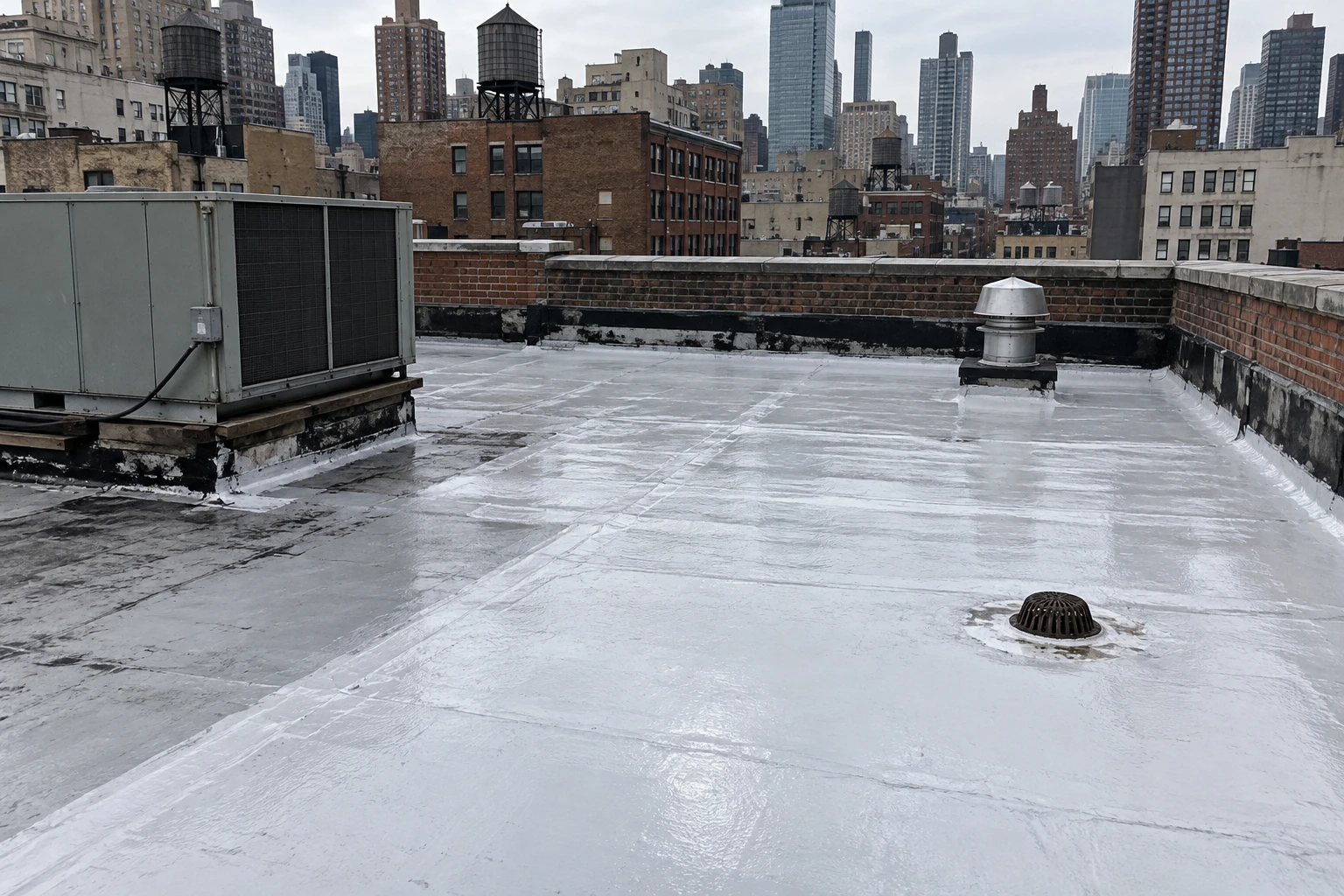
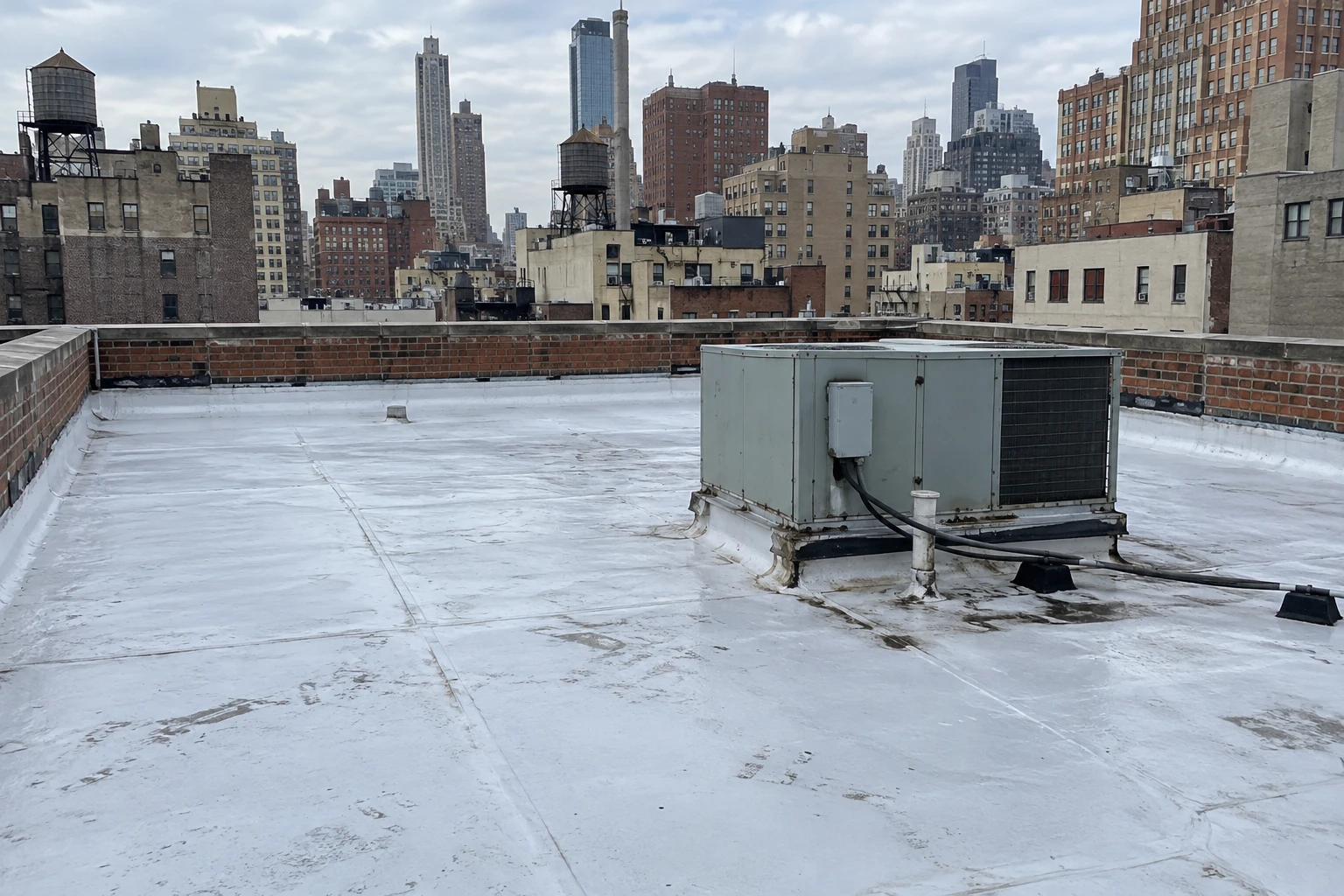
A wet-film gauge pressed into a fresh pass of acrylic reads the one number that cannot be corrected later: how much coating the roof actually received. What the owner hopes for from the work, a cooler surface and more years from the old membrane, rests on that reading and on drainage that lets the film dry between rains. Acrylic coatings are the lighter, lower-cost relatives of silicone: a water-based liquid that cures into a reflective, elastic film over a clean, sound roof. On Manhattan, NY flat roofs with decent drainage and a membrane near the end of its original service, they extend the roof's life, reduce heat gain and delay replacement, and the owner's questions are about drainage, cure windows and what the coating asks of the maintenance budget.
When is acrylic the better coating?
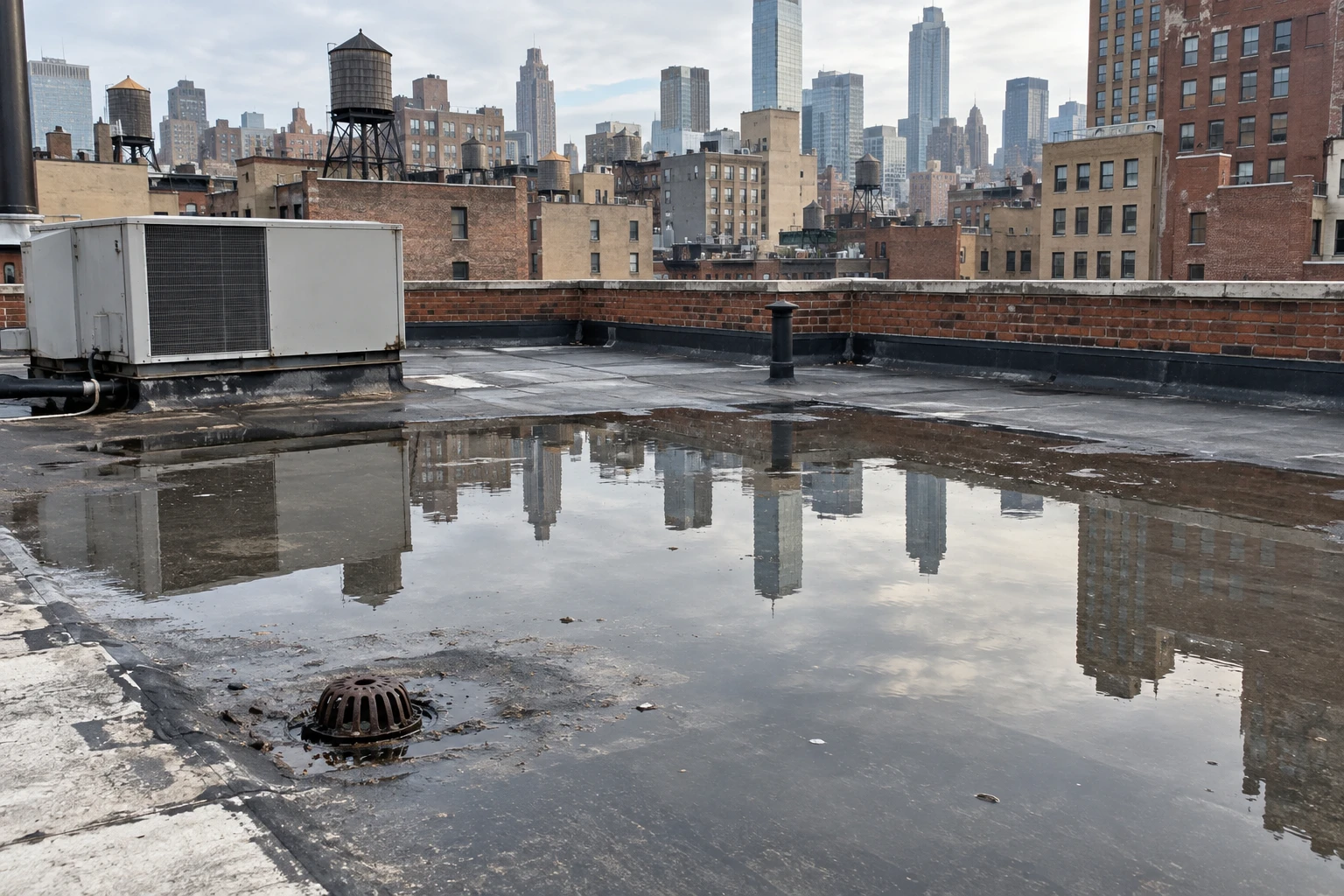
When the roof drains. Acrylic has lower material cost, is easy to apply and repair, accepts recoating and can be tinted. It fits roofs with positive slope, working drains and no history of standing water. It is less suited to roofs that pond, where a silicone coating tolerates water better.
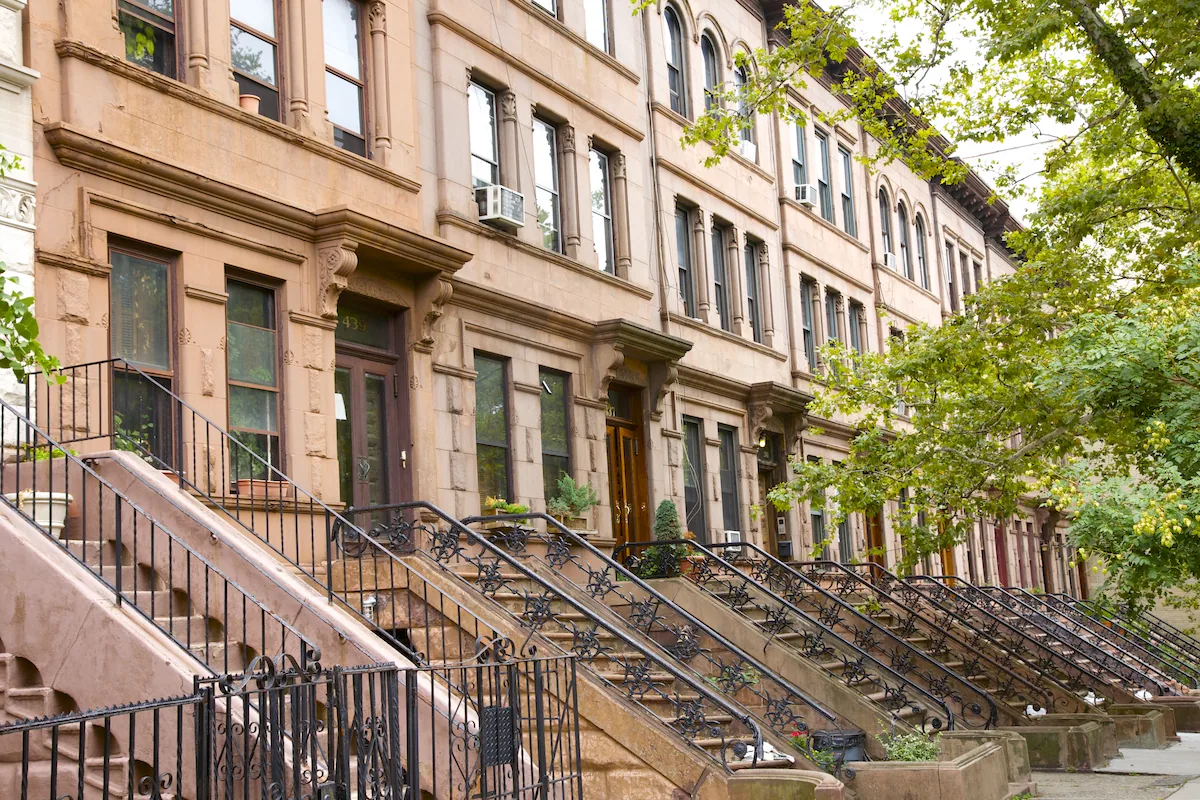
The survey measures ponding depth after rain and maps low spots. If ponding exists and can be corrected cheaply, with a new drain or a tapered saddle, acrylic may still work. If ponding is structural, a ponding water repair comes first or another system is chosen. Prewar multifamily roofs in the East Village and Washington Heights often present as candidates, since the roof is flat, small and accessible, though the survey, not the building type, decides.
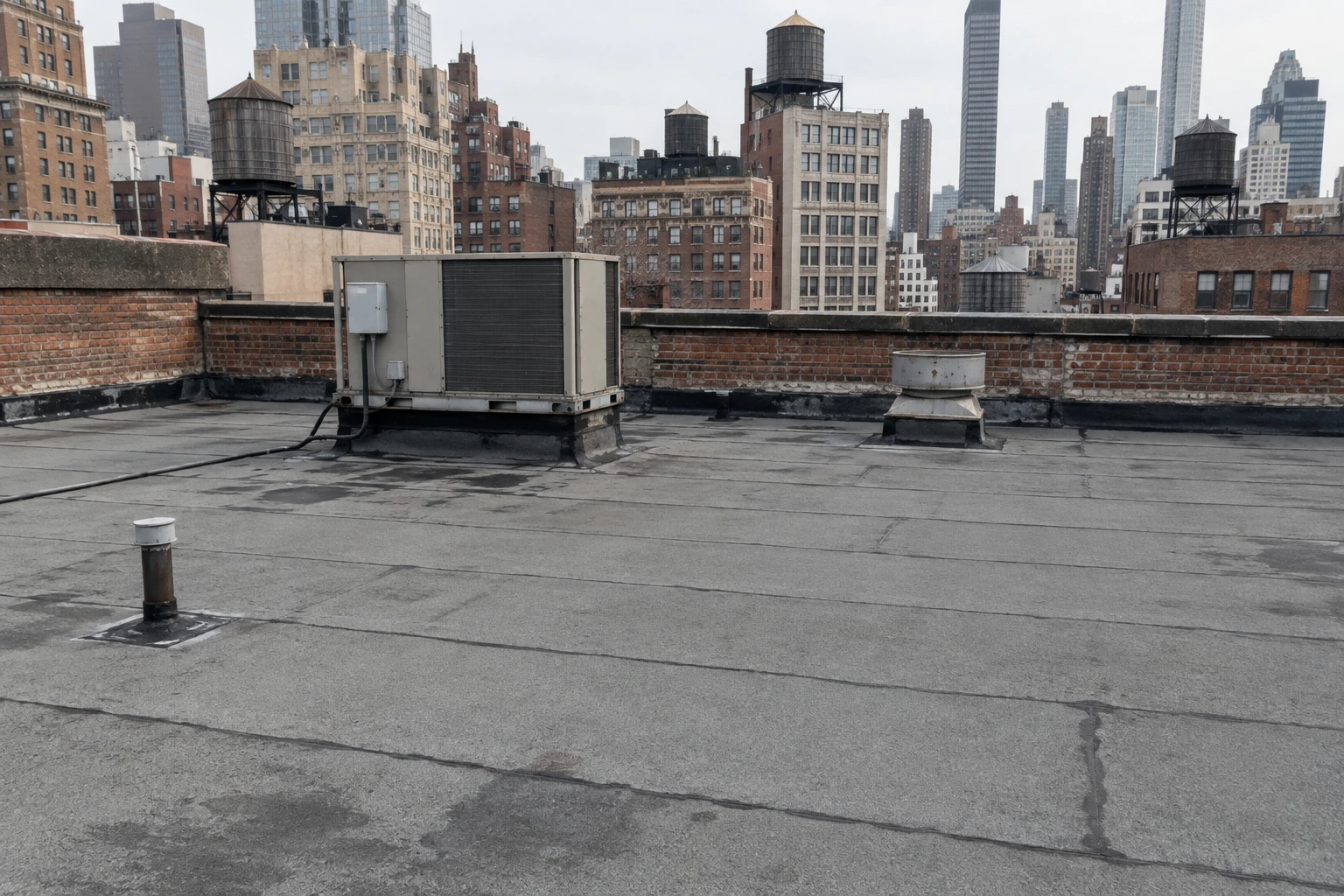
Acrylic also pairs with other repairs. A modest roof of modified bitumen with a worn cap sheet can take it after granule loss is cleaned and seams are reinforced, and a sound single-ply such as TPO may take it once an adhesion test passes. The coating is rarely the whole job. It is the last step in a sequence that begins with a scan, runs through repairs and ends with a measured film, and each step has a line in the estimate so the owner can see what the coating costs and what the repairs under it cost.
What does preparation include?
Cleaning with detergent and low-pressure wash, repair of splits, blisters and open seams, reinforcement of seams and flashings with fabric and mastic, and priming where the substrate calls for it. Acrylic needs a clean, dry surface, and the crew checks moisture and dew point before each application.
Preparation is also the place to fix what the coating cannot hide. Open laps are bridged, failed flashing is rebuilt and loose granules or gravel are swept or removed. Penetrations are sealed with reinforced collars. Photographs of each prepared area are saved before coating, since the work will not be visible afterward. Two coats are usual, applied in measured passes with a wet-film gauge, and the dry thickness is calculated from the product's solids content and the coverage rate.
What weather does it need to cure?
Acrylic is water-based, so rain before it cures can wash it off the roof, and cold or humid conditions slow the cure. Application takes place within the product's temperature range, with a dry forecast for the cure period, and the crew stops spraying or rolling when dew point or rain threatens. Central Park collects about 49.5 inches of precipitation in a year, so dry windows are a planning resource and the schedule carries spare days.
On September 1, 2021 Ida set the city's hourly rain record at 3.15 inches, and the lesson for coating work is to protect uncured coating when a storm approaches. If rain is forecast, the crew covers fresh coating or schedules the pass for another day. Once cured, acrylic sheds rain, but the film should not stand in water for long periods.
What does a reflective acrylic surface do on a Manhattan roof?
It cuts the surface temperature on sunny days and narrows the daily swing that stresses the membrane. Central Park has recorded 106 F, and the heat island over the city is strong, so the roof's job in July is to avoid storing that heat. A white acrylic reflects most sunlight at installation, though reflectance declines as dirt accumulates. Winter lows, down to minus 15 F, and an average of 29.8 inches of snow mean the coating must stay elastic in the cold.
Our assessment of the benefit follows the cool roof installation logic: record the reflectance at installation and again at maintenance visits, and clean when it falls. The benefit shows on the top floor, where tenants notice, and on the roof itself, where seams and flashings move less in a cooler assembly.
What maintenance and recoating does it need?
An annual inspection checks for scuffs, punctures, lifting edges and dirt. Drains and scuppers are cleared, because the coating depends on water leaving the roof. Small repairs are made with the same acrylic and reinforcing fabric. Recoating restores thickness when the film thins, and the interval is planned in the reserve study. Since a fresh coat bonds readily to cured acrylic, recoating usually extends the roof's life for far less than replacement would cost.
Walk pads on service routes protect the film from wear. A short log of every visit, with photographs from the same positions, lets the next manager see how the coating has aged. When the film has worn through or the roof has too many repairs, the report says so and moves the owner toward replacement before leaks multiply.
What should the owner keep on file?
The ponding map, the moisture map, the adhesion test, the preparation photographs, the product and batch data, the thickness readings, the weather log and the warranty terms. If a full replacement later falls under Local Laws 92 and 94, the sustainable roofing zone plan takes over, and the coating history tells the next contractor what is on the old surface. Record the color and product line of each coat, since a future recoat has to match chemistry as well as color. Note the thickness readings by area too, because a roof that wears fastest at one drain or one traffic route is telling the owner where to place pads and where to look first at the next inspection. Reflectivity, ponding tolerance and the cure window are written beside the product choice, so the owner can compare an acrylic against a silicone on the same terms.
Commercial Roofing Questions
Can acrylic be applied over a roof that has ponded in the past?
Only after the ponding is addressed or confirmed to be shallow and brief. We measure depth and drain time after rain, correct low spots with saddles or new drains and then coat. Where water still stands after several days, silicone or another system fits better.
What proves the roof is dry enough to take a coat?
An infrared scan and core cuts check the insulation, and a surface moisture meter checks the membrane on coating day. Wet insulation is removed first. The crew also checks dew point so that morning moisture does not get sealed under the film.
Does acrylic count as a repair or as a new roof?
It restores the surface. Small defects get sealed and a protective layer goes on, yet wet insulation and structural problems stay untouched, so they are repaired first and the coating then protects the repaired roof.
Can we change the color?
Acrylic can be tinted, though reflectance drops as the color darkens. Where a roof is visible from the street in a landmark district, the color may need review. Samples come with the reflectance of each.