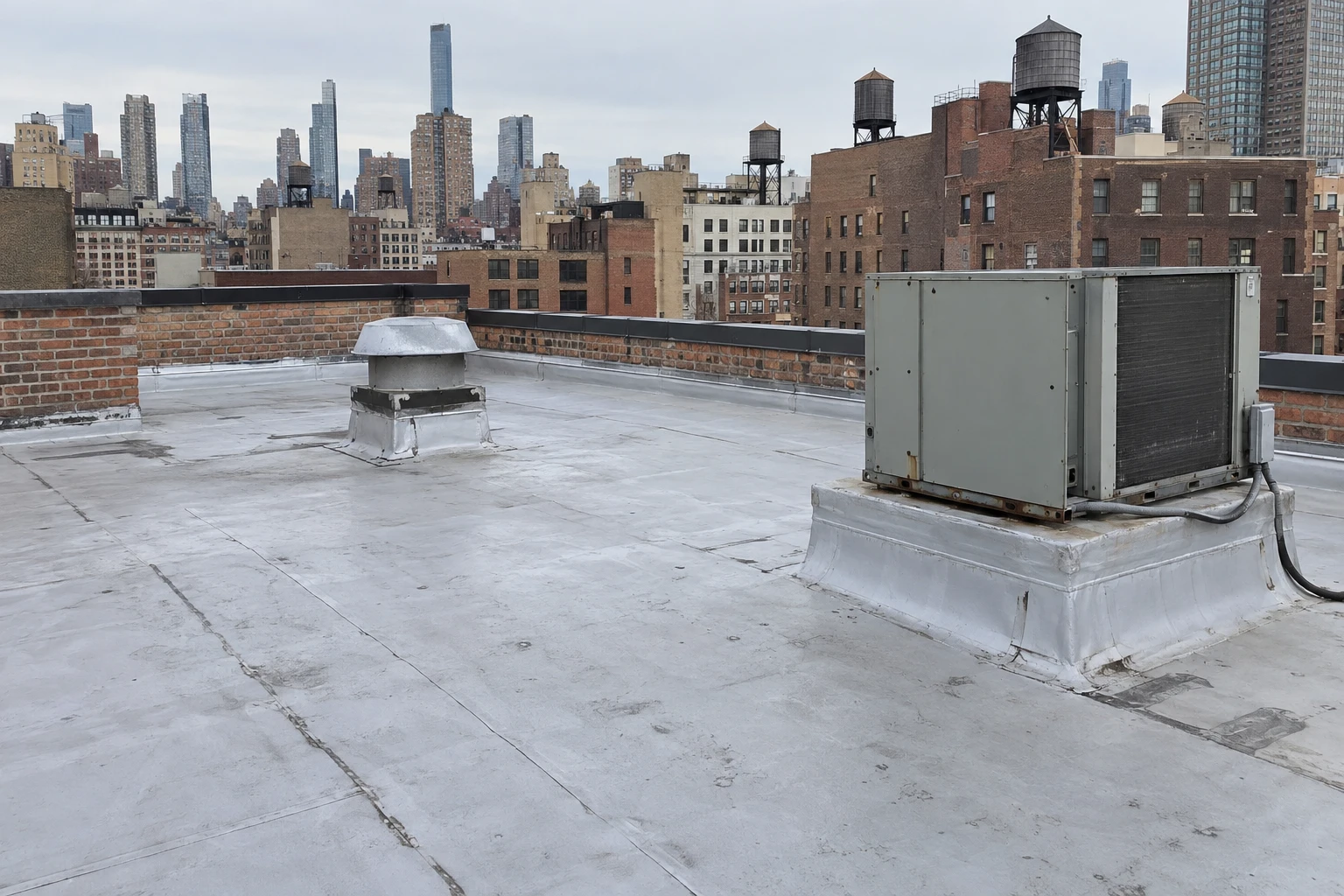
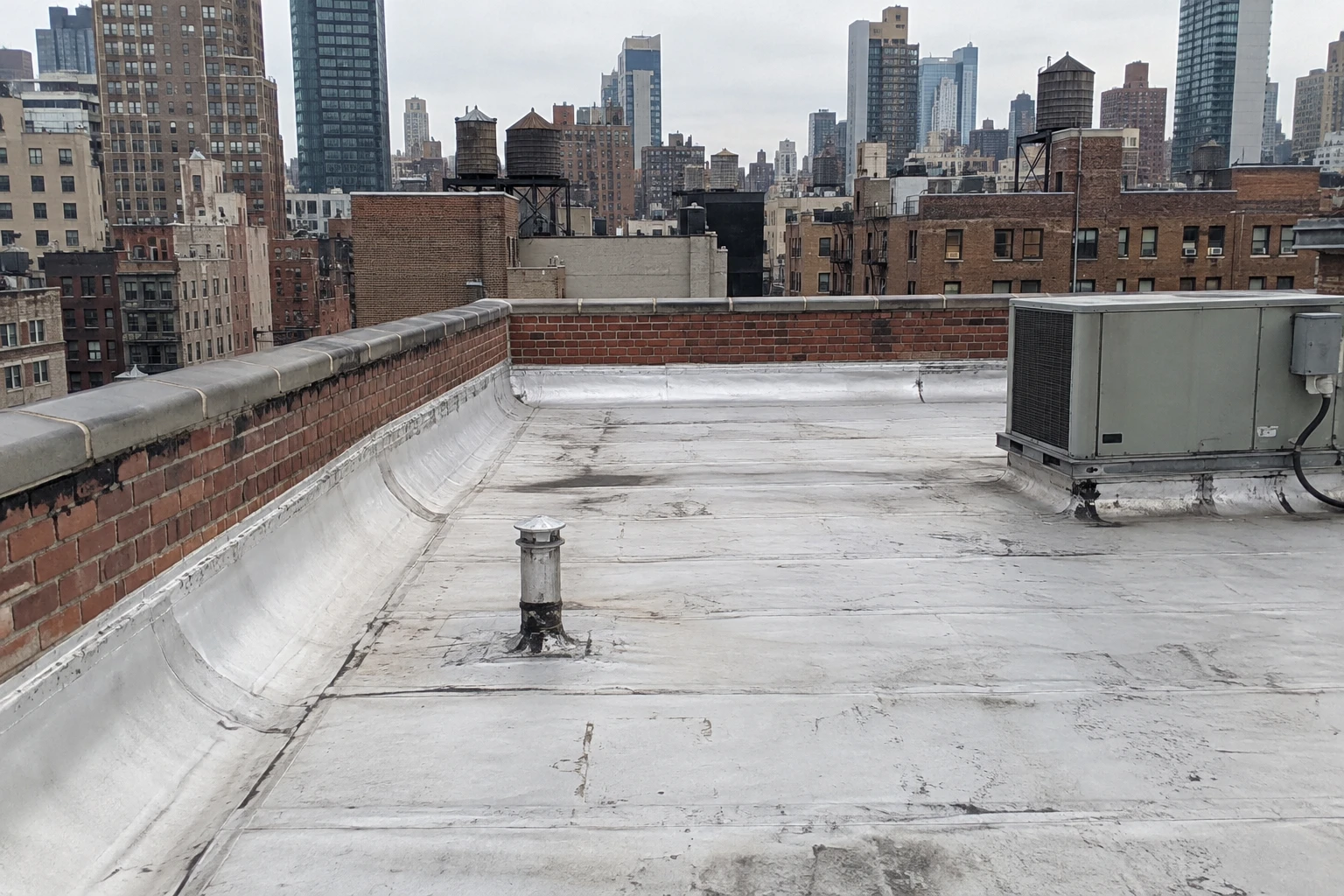
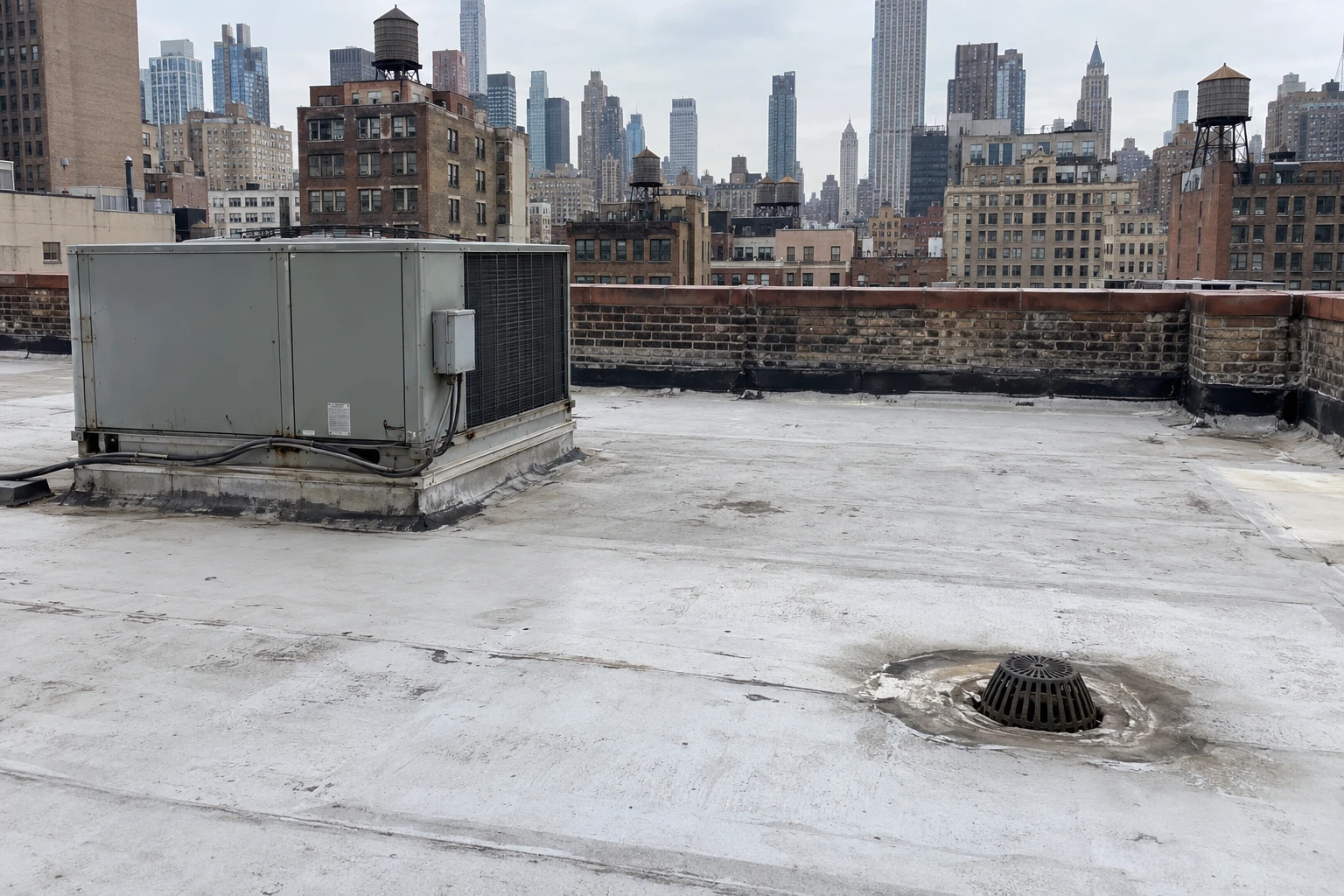
Johns Manville commercial roof categories in Manhattan, NY: insulation, single-ply and bituminous assemblies surveyed for moisture and code fit.
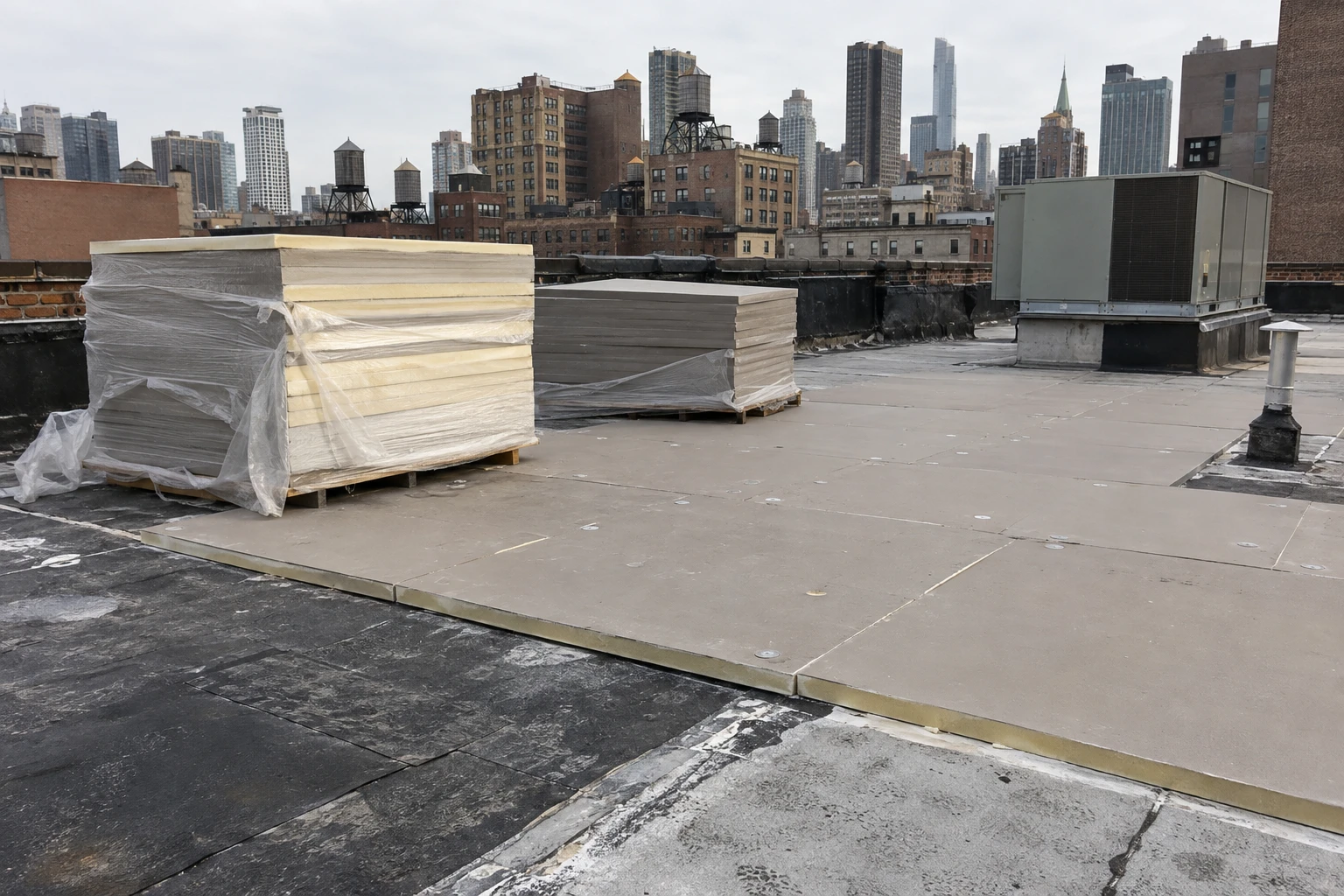
A core through a roof assembly reads like a page of a specification: membrane, cover board, insulation, vapor layer, deck, each with a thickness and a moisture reading. Johns Manville is a building-products manufacturer whose commercial roofing line covers single-ply membranes, polyisocyanurate insulation and bituminous components, which means a roof carrying its name may owe as much of its performance to the board as to the sheet. In Manhattan, NY, that makes insulation the first topic in a replacement: the Energy Code within the 2022 NYC Construction Codes sets the thickness, and the thickness decides parapet height, flashing height and weight.
We survey, repair and replace these assemblies. The starting file is the last roof report, any open violations and the roof plan where one exists; scope and rating are fixed before a price.
What does the insulation tell us about the roof's condition?
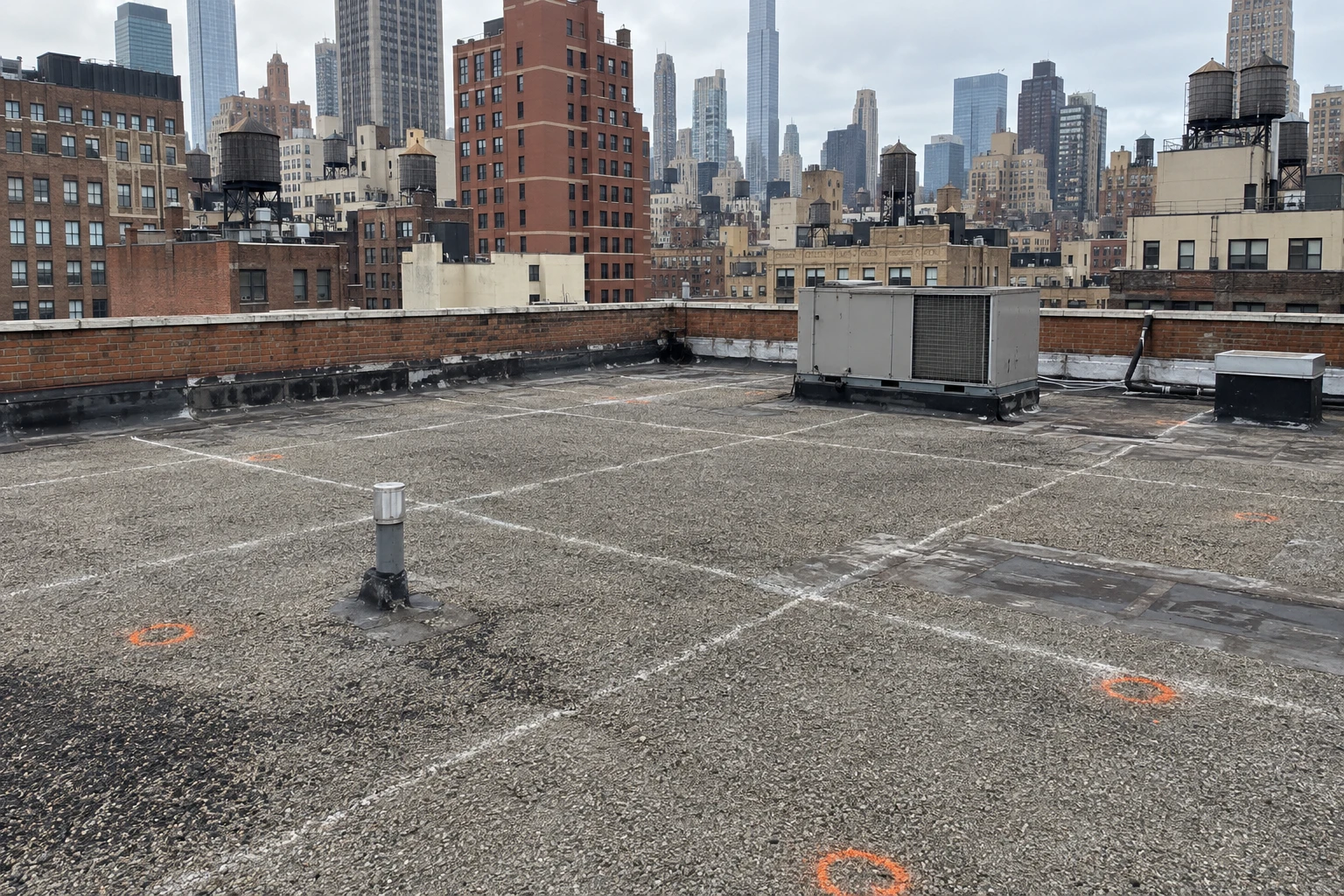
Whether it is wet, compressed or intact. Polyiso board that has absorbed water loses much of its insulating value and gains weight. Board crushed under a walk route no longer supports the membrane. Board that is dry and flat is the asset worth saving in a recover. An infrared scan at dusk shows where board holds water, and cores confirm it by moisture reading and by the feel and thickness of the board.
We log each core with the board type, the thickness, the number of layers and the moisture content. A roof with two layers of board sometimes has wet board in the upper layer and dry board below, and the repair then removes one layer instead of two. We separate the layers at a few cores by hand, read each with the meter and note whether the joint between them is dry. The result is a drawing that shows which layer to keep, which to remove and where the new board will meet the old, with the staggering of joints marked so the finished roof has no straight seam through the thickness. The log makes that choice visible. A cover board and insulation scope lists each layer, its fastening and its joint pattern before the order is placed.
How does the energy code change the assembly?
A full roof replacement in New York City brings in the Energy Code, and the insulation thickness it requires can exceed what the old roof carried. Thicker board raises the roof surface, which means taller flashings, longer fasteners and sometimes new coping or edge metal. It adds weight, which has to fit the structure. And it changes the height of parapets relative to the roof surface, which on a prewar building may leave too little wall to flash against. The Existing Building Code governs alterations to existing buildings, and the way it meets the Energy Code on a given roof is a question for the designer and the code official, so we bring the measurements and leave the ruling to them.
Local Laws 92 and 94 of 2019 add the sustainable roofing zone: the zone on new buildings, enlargements and full roof replacements must be fully covered by solar, a green roof or both. Those layers sit on the assembly and add load. We check the drawings, measure the parapets and the bulkhead sills and draft the details before ordering. A recover or repair may not trigger the code, and we say which path applies to each roof.
What happens on a prewar roof with a short parapet?
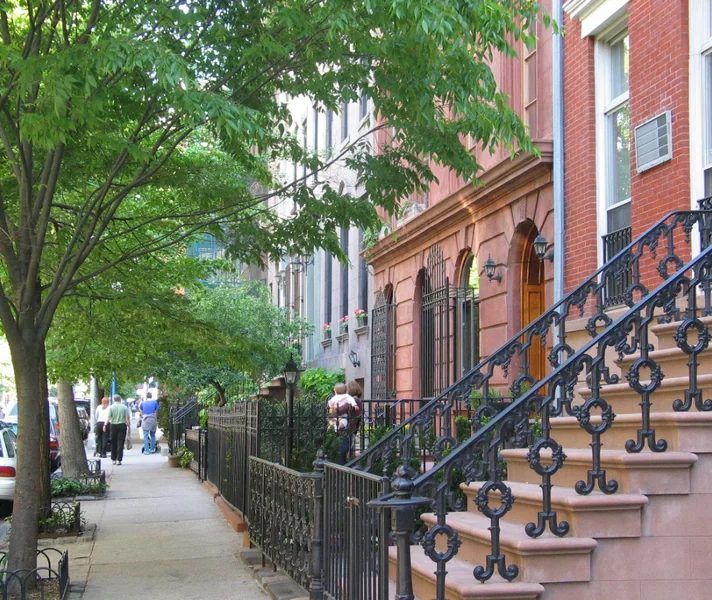
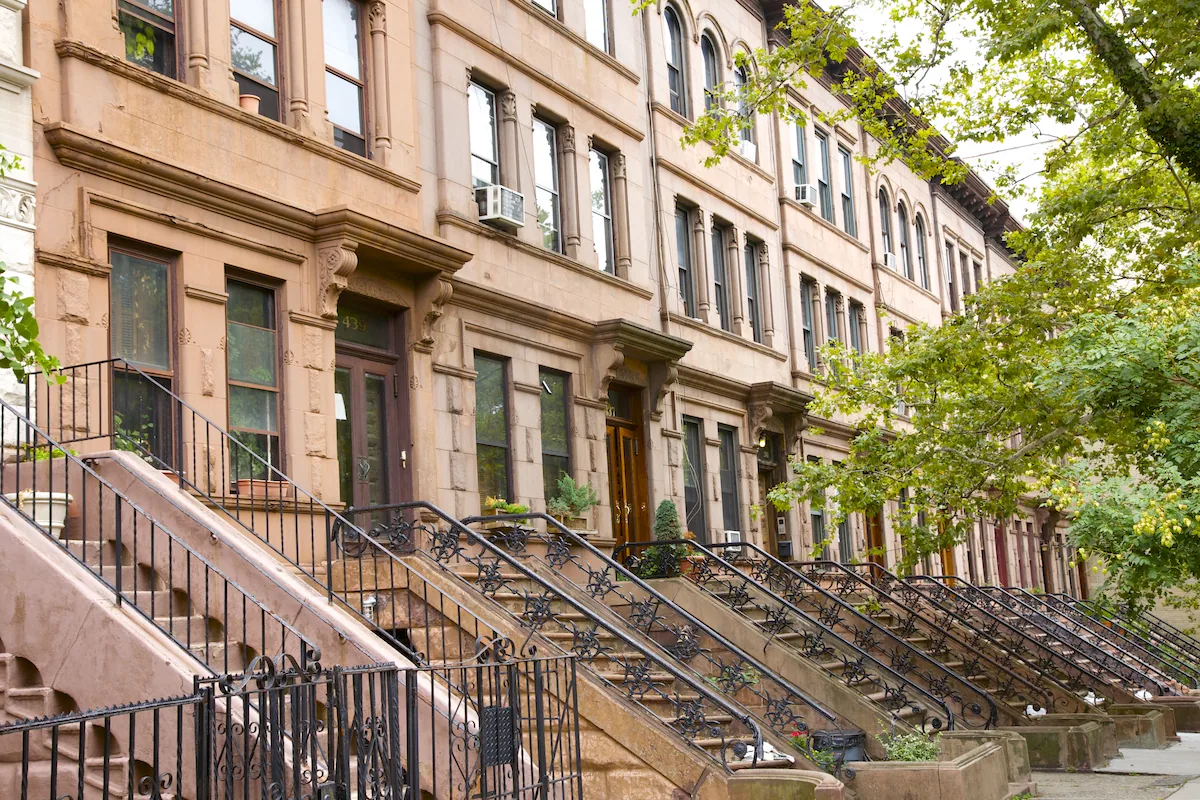
Washington Heights, Inwood, the East Village and the Lower East Side are dominated by prewar five and six story tenements and apartment buildings. A roof on a building like these can have low parapets, and thicker insulation can leave a flashing too short to meet the height a manufacturer requires. The options are to raise the parapet, to change the edge detail or to use a thinner high-performance board where the code allows.
We measure every parapet and sill before the design is set and bring the findings to the architect or engineer of record. For a building in Washington Heights or the East Village, where Old Law and New Law Tenements share the stock, the details differ block by block. A report that lists each wall's height and the flashing proposed avoids a surprise when the first board is laid.
How do storms and surge show up in the board?
On September 1, 2021 Ida put 7.13 inches into Central Park and, within one hour, a record 3.15 inches onto the city. Water that gets under a membrane in a storm like that travels along the board joints and appears far from the entry point. The infrared map follows the water, and the cores find the source. A warm stripe running from a parapet corner down the slope toward a leader is typical: the entry is at the corner and the board holds water along the path. Removing just the wet stripe rather than the whole bay keeps the repair small and its cost in proportion.
Sandy's surge on October 29, 2012 reached The Battery at 14.06 feet above average low tide. A surge reaches ground floors, not roofs, but the same storm can strip edge metal and flashings. After any such event, we scan the roof, cut cores at warm spots and replace only the board that is wet. The infrared moisture survey sets the boundary of the repair.
How do we compare assemblies from different makers?
By thickness, weight, joint pattern, cover board and the membrane above. Another maker such as Holcim Elevate offers comparable insulation and membranes, and GAF offers its own mix. A table sets out the layers, total thickness, total weight, flashing height needed and cost range side by side.
The comparison goes into the condition report with the core logs and the measured parapets. A board or lender reading it later can see why an assembly was chosen. If a manufacturer warranty applies, its terms limit what can be changed, and we read them. On paper a design can win and still be wrong if the warranty forbids a detail the layout needs, so the table includes that check.
Commercial Roofing Questions
What decides whether wet insulation can stay under a recover?
The moisture reading and the extent. Board with a reading near dry can stay. Board that is saturated must come out, because it holds water against the new membrane and has lost its thermal value. The core log and the infrared map set the boundary.
Does a repair on an existing roof need to meet the new energy code?
Not necessarily. The code's application depends on the scope of work and the code official's reading. A full replacement is the clearest trigger. We confirm the path with the building department before pricing and show the owner both options.
Why is parapet height a concern when insulation gets thicker?
The new roof surface sits higher, which leaves less wall to flash against. A flashing shorter than the manufacturer requires is a likely leak. We measure the parapets first and design the edge details to suit.
Can cover board replace some of the insulation thickness?
No. A cover board protects the membrane and the board from traffic and hail, but it does not replace the insulation the code requires. We list both in the assembly and check the total against the design.
Do New Jersey roofs follow the same codes?
No. The NYC Energy Code and Local Laws 92 and 94 apply to New York City buildings. Across the river, state and municipal codes apply instead, and the local building department confirms.