Roofing for Chelsea, Manhattan, NY warehouses, galleries and mixed-use buildings: skylight and curb surveys, landmark review and split-use roofs.
The skylight curb is the first thing on a gallery roof that the survey tape touches, because a gallery lives on its ceiling. A stain above a hanging wall is not a maintenance note. It is a risk to the art, the insurance and the next exhibition. West Chelsea's gallery district between Tenth and Eleventh Avenues and 16th and 28th Streets holds more than 200 art galleries, many in converted warehouses, and the roofs over that kind of space can carry skylights, ventilation and rooftop equipment. In Manhattan, NY, a roof in Chelsea is therefore judged by what sits beneath it. The survey records the curbs, the glazing perimeters, the drains and the membrane, and the report sets priorities by the risk to the space below, not only by the age of the roof.
What roofs does Chelsea carry?
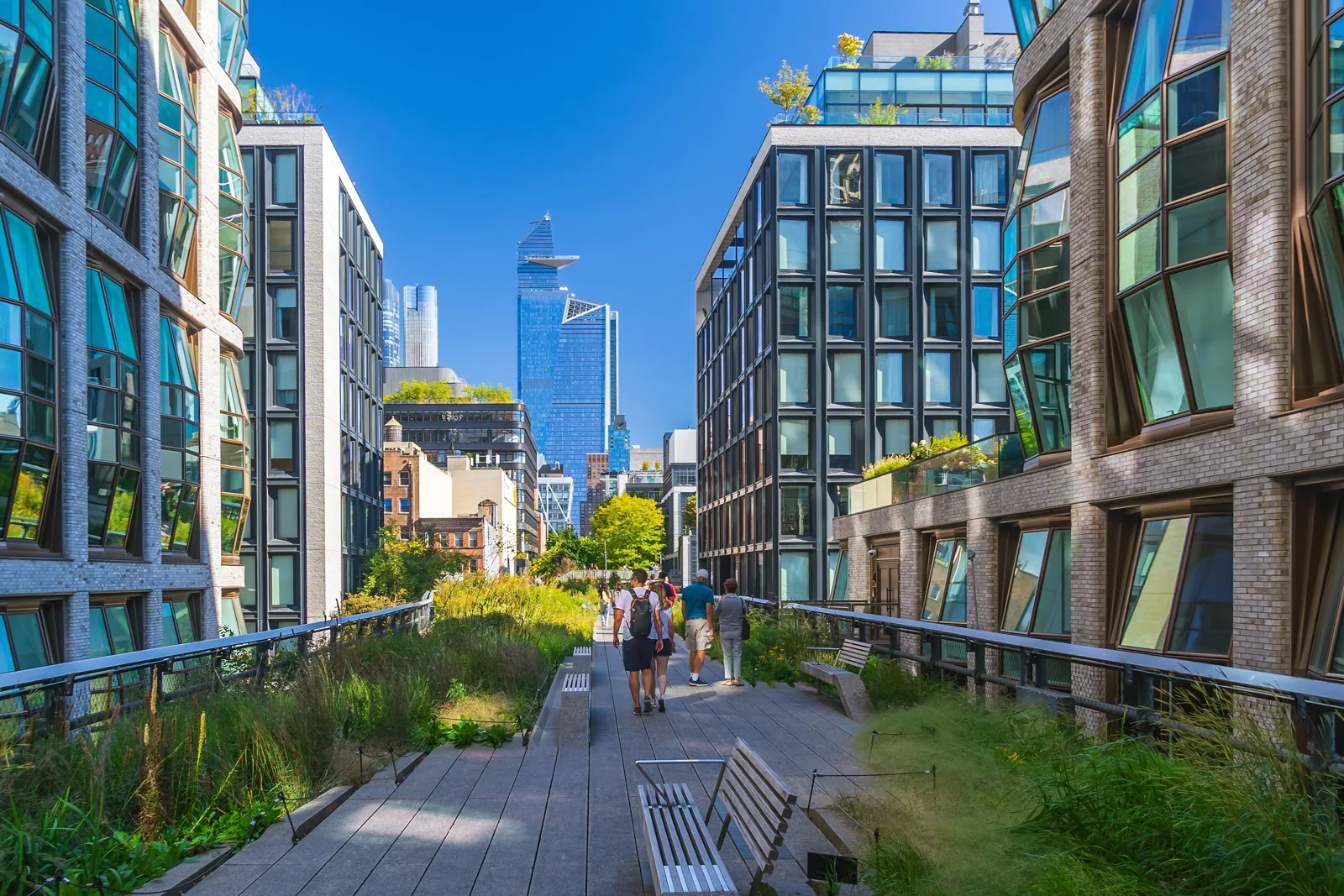
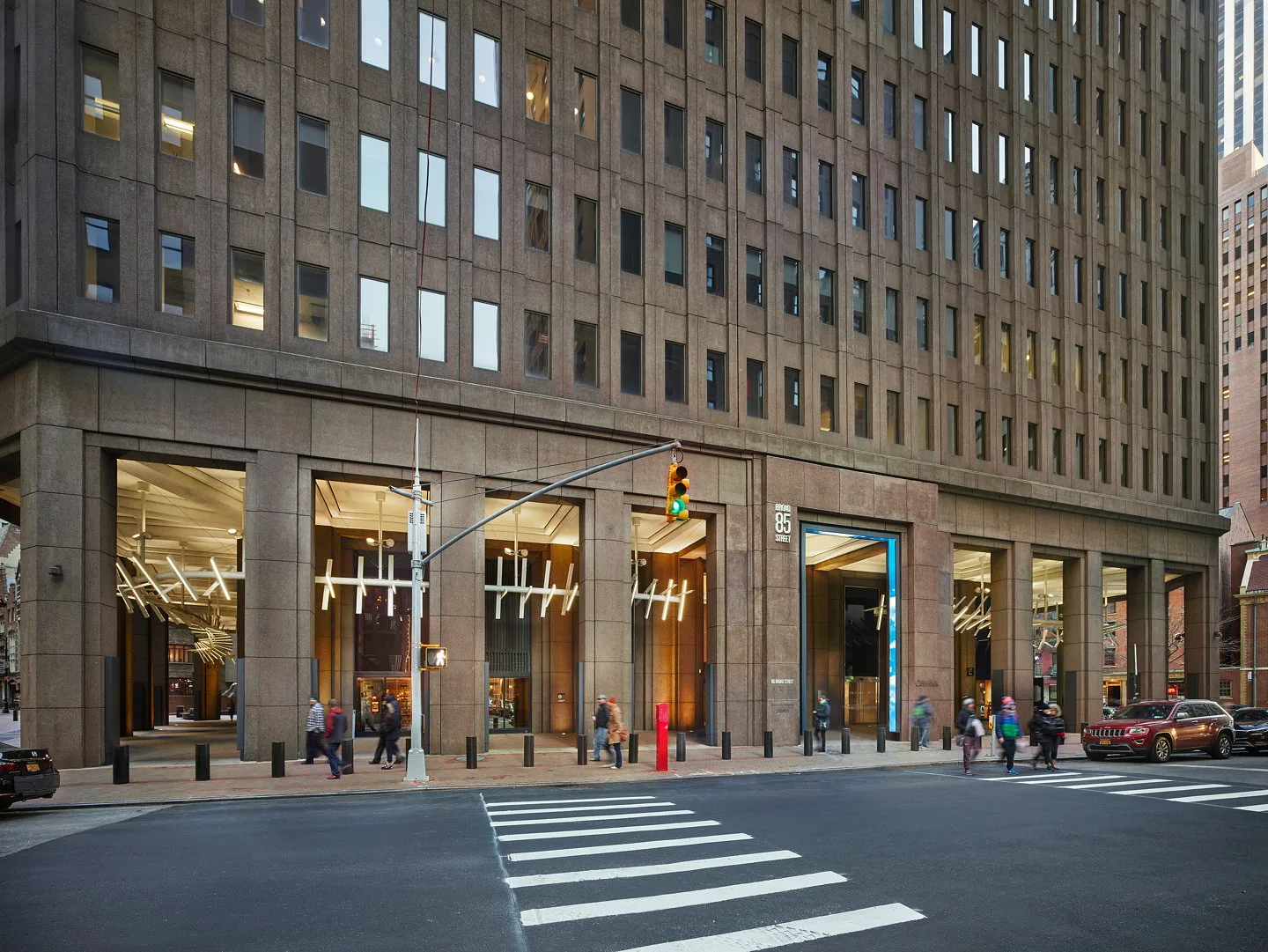
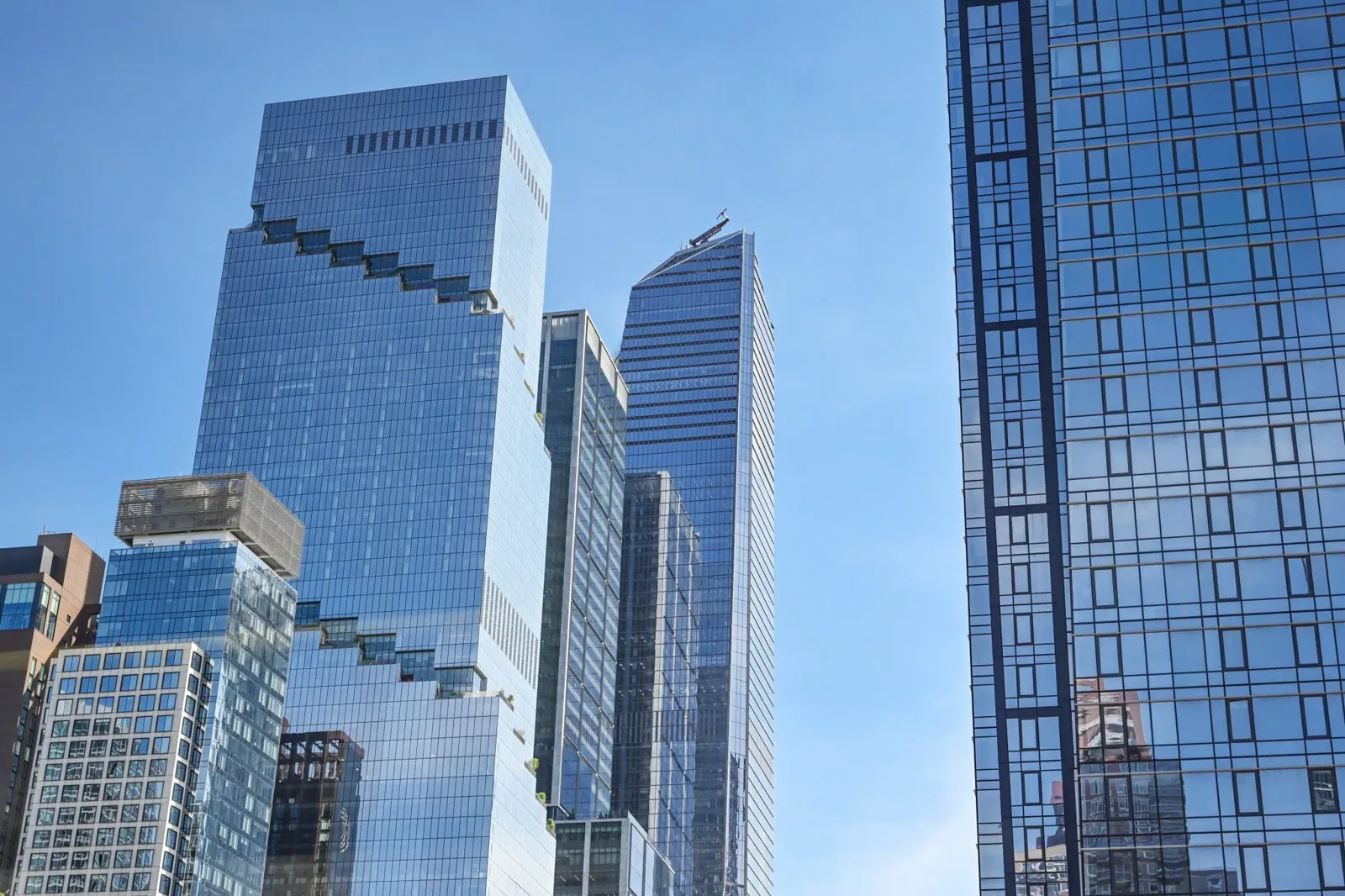
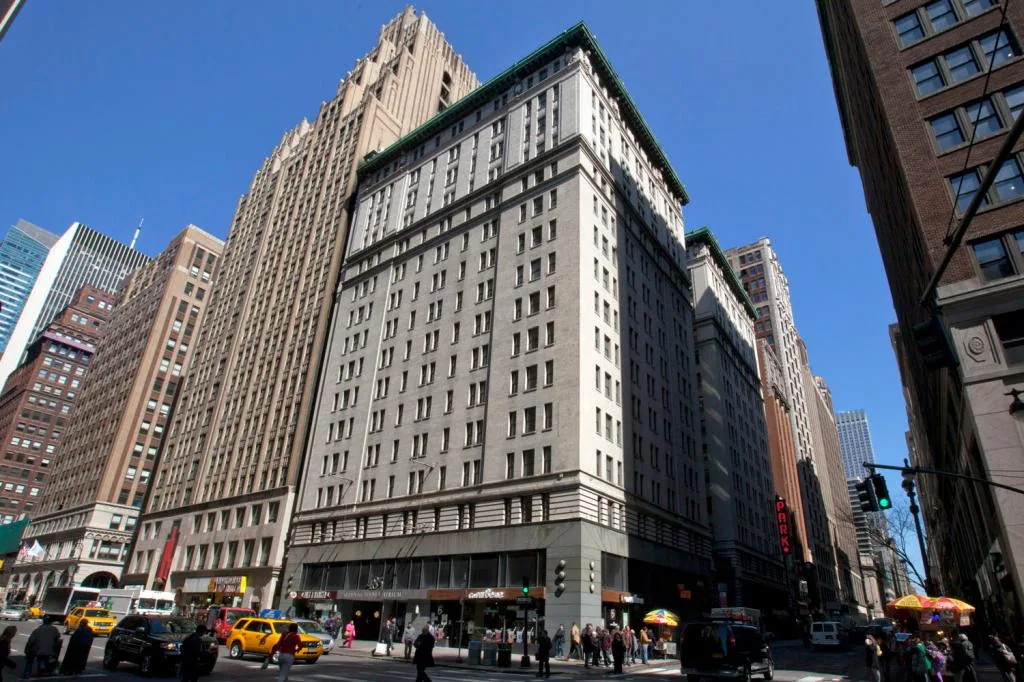
A mix of converted warehouses, freight buildings, mid-rise apartment buildings and newer mixed-use buildings. Starrett-Lehigh, a freight terminal and warehouse that takes up a whole block, was built in 1930 and 1931 and has been a city landmark since 1966. The Art Deco Walker Building, 23 stories tall, has held apartments in its top 16 floors since its 2012 conversion, while Verizon kept the lower seven. The High Line, raised above street level in the early 1930s, was converted into an aerial greenway in the early 2000s.
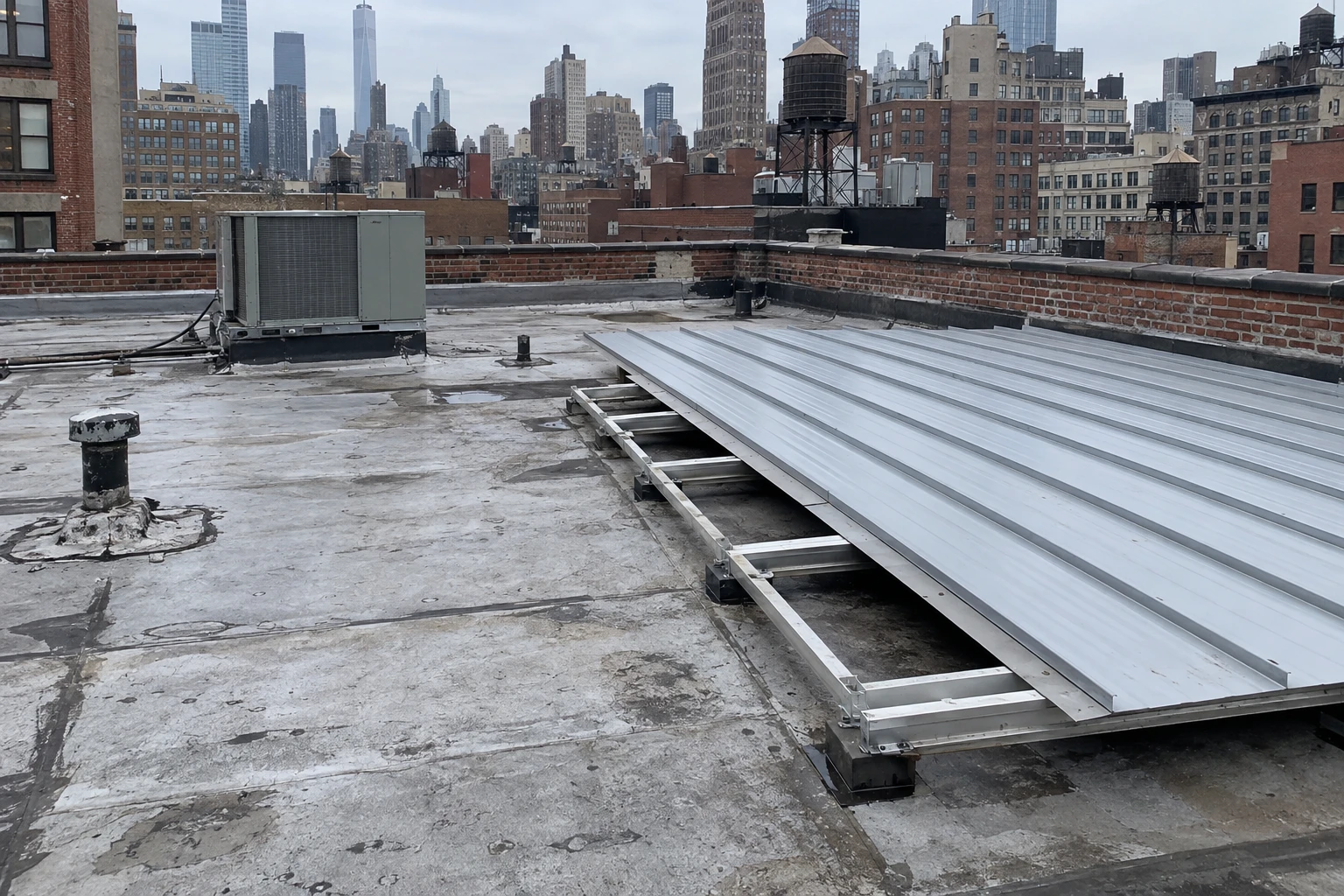
The district's building types suggest what to expect, but each roof is read on its own. A converted warehouse can have a large, flat roof with years of layers, and a metal-roofed section gets a fastener and lap check before any metal roof retrofit is proposed. A mixed-use tower can have two owners and one roof. A building beside the High Line may have neighbors close enough to affect access. Each is surveyed on its own terms, and the report names the construction as found.
Scale matters in the cost. A full-block building like Starrett-Lehigh, built in 1930 and 1931, would present a different roof program from a single narrow loft, and the report separates areas into manageable work packages. Each package carries its own rating, its own photographs and its own price, so the owner can fund the urgent one this year and schedule the rest. Hoisting, street-use permits and the High Line's proximity to some buildings go into the access plan as separate lines.
How are skylights and daylighting roofs surveyed?
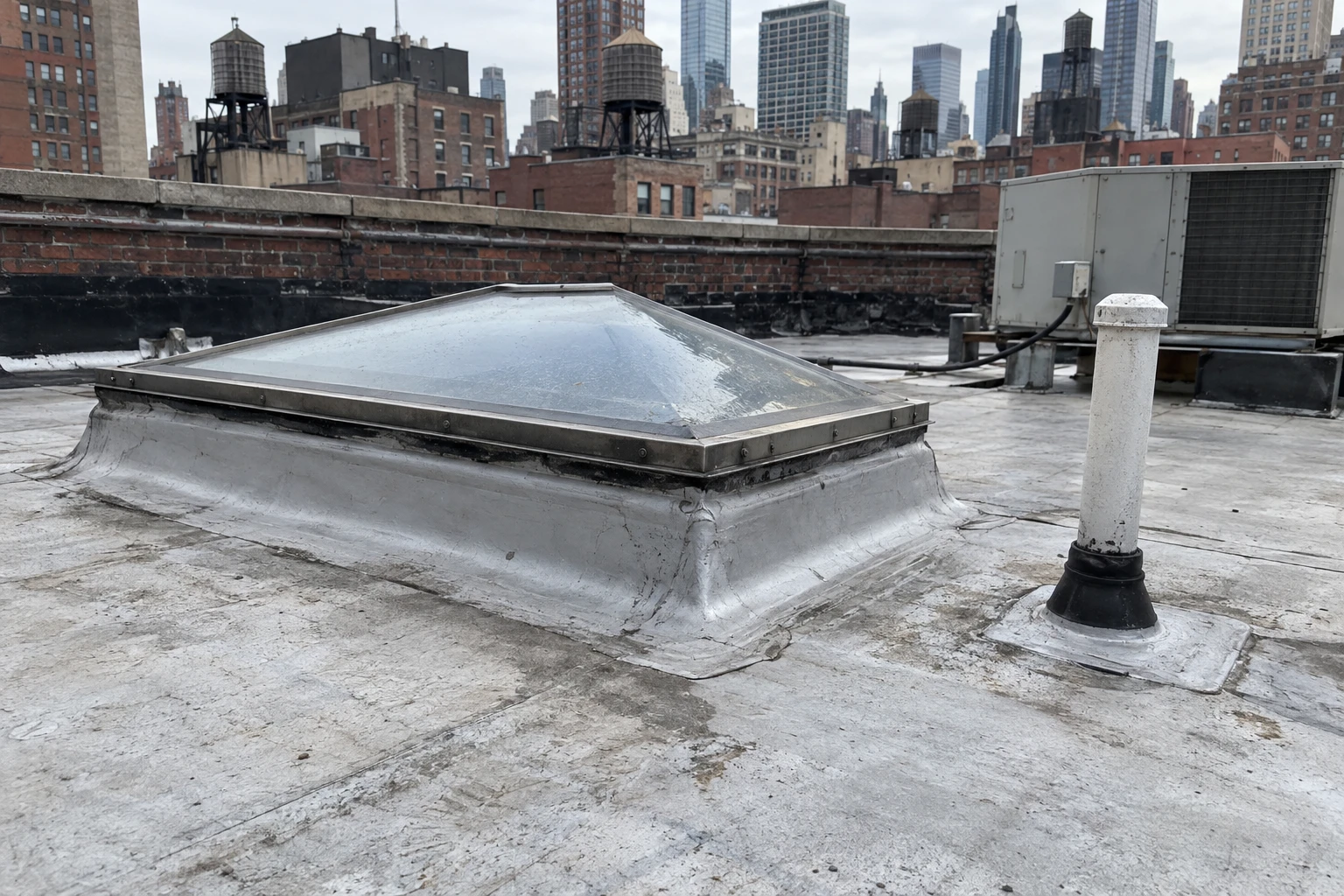
A skylight is a glazed unit on a curb with a flashing around it, and the curb and flashing leak far more often than the glass. We check the curb height, the base flashing, the counterflashing, the sealant at the glazing frame, the condensation gutters inside and the drainage of the surrounding roof. Where the roof slopes toward a skylight, water and debris collect on the uphill side.
The test is simple and specific. A hose test, run in stages from the low edge up, identifies which part of the curb admits water. Repairs rebuild the flashing in a continuous run, replace failed sealant and, where the curb is low, raise it. Skylight and penetration flashing is a defined scope, with before-and-after photographs, and each unit is logged on the roof plan. For a gallery, the report also notes the ceiling and lighting below each unit so repairs can be scheduled at hours when the work will not disturb the space.
How do we handle a roof shared by different owners or uses?
Some Chelsea buildings are split by use, with residences above and commercial space below, or the reverse. A roof over a split building may belong to a condominium, a commercial owner or a shared board, and responsibility for repairs depends on the governing documents. A leak in the lower floors may come from the roof above or from a terrace between them.
We trace water through the moisture map, mark the source and state in the report which roof area it belongs to. That makes the dispute about responsibility a matter of evidence instead of opinion. For work that needs both owners' consent, we write one scope with the costs divided by area, so the board can approve it quickly. Photographs and dates establish the condition at each visit, which matters if a leak recurs and an insurer asks who knew what and when.
What does landmark status add to a roof project?
Some Chelsea buildings are landmarks, as the Starrett-Lehigh Building has been since 1966. A change visible from the street, or any change to a designated building, may need review before work starts. Roofs behind parapets are often less affected, but equipment, skylights and rooftop additions can be visible from the High Line and from taller neighbors.
We check status early, record existing conditions with photographs, prepare drawings and samples if review is needed and keep the approval with the file. The work must match what was approved. For a repair that does not alter appearance, the process is simpler. For a replacement, the specification notes the color and profile of the membrane and the details at edges, so the finished roof reads as the approved one.
What weather matters to a flat roof in Chelsea?
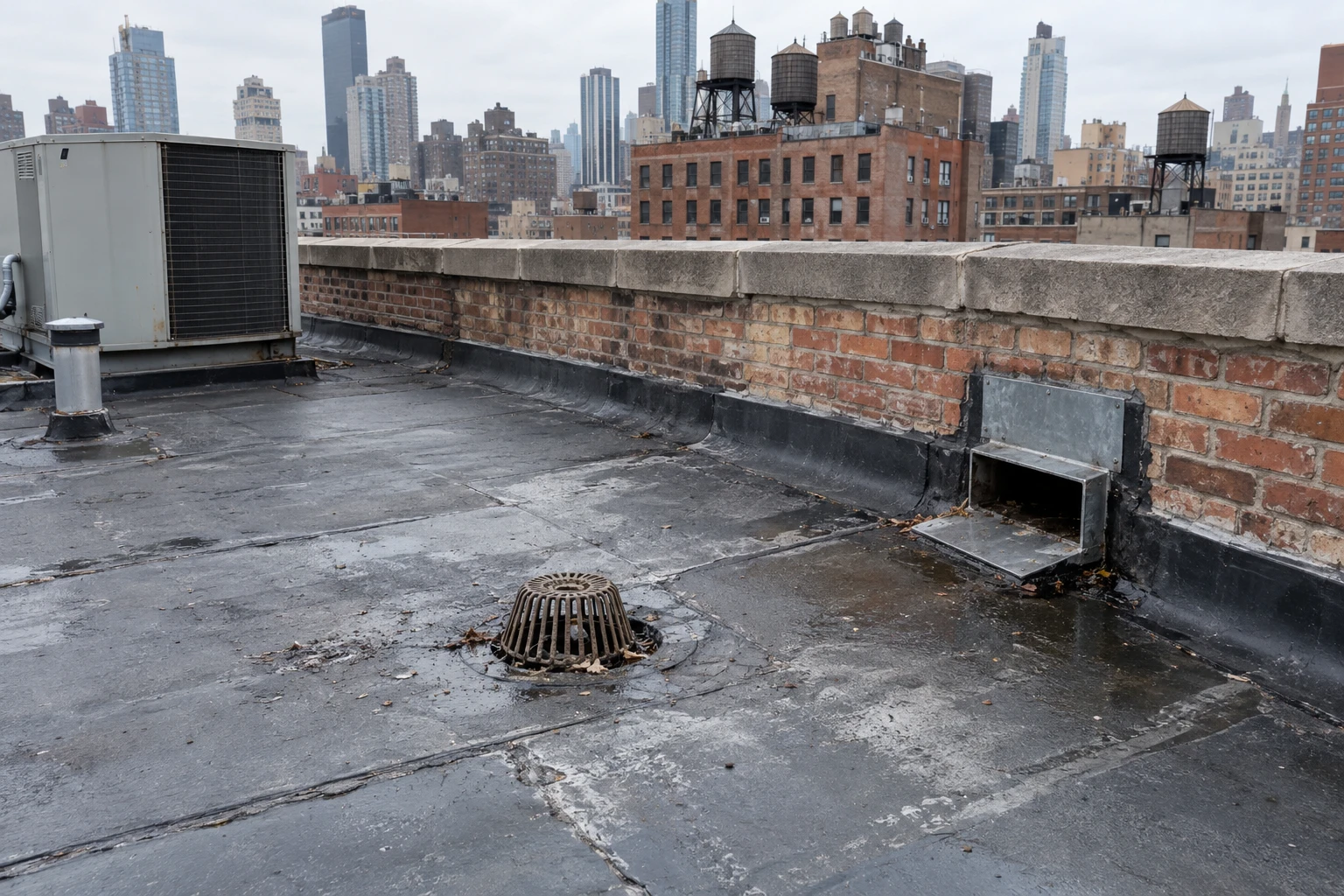
Rain, snow and heat each leave their mark. Ida's hourly peak of 3.15 inches on September 1, 2021 tested every drain and curb in the city, and snow, which averages 29.8 inches a year in Central Park and reached 27.3 inches on January 23, 2016, loads the roof and freezes the drains. The city's urban heat island and a recorded 106 F stress membranes and sealants, so skylight sealants age faster in sun.
For a converted warehouse with a large span, the engineer should confirm snow loads before heavy equipment or an array goes up. For a gallery, the commercial roof above a hanging wall needs the most conservative detailing the building will allow, and a drain and scupper check before each winter is the cheapest insurance on the roof. We repeat the check in early spring, after the freeze-thaw weeks, because ice dams and snow melt leave debris at drains and edges that the autumn visit could not have seen. A short written note after each visit goes in the file with the date and the weather.
What goes in the owner's file?
The condition rating, the roof plan with every skylight and curb numbered, the hose test results, the landmark approvals, the split-use responsibility notes and the warranty terms. Buildings in neighboring districts, such as Hudson Yards and the Garment District, can be added to the same program so one rating scale covers the portfolio.
Commercial Roofing Questions
A skylight leaks only in wind-driven rain. How is that found?
By testing in stages. Wind-driven rain pushes water uphill against a flashing, so the leak is often at the upper edge or the side of the curb. We hose each part of the curb for a set time while watching inside. The flashing that fails is the one rebuilt.
How is a gallery protected while its roof is open?
Often the gallery stays open, with protection below the work area and noisy work scheduled for off hours. Exhibition dates are coordinated and protection goes in before work begins.
What if two owners disagree about who pays for a roof repair?
The moisture map and the survey identify where the water enters and which area owns it. We provide a written scope that separates the areas. The owners then decide under their documents.
Do rooftop additions need a new roof?
Not always. They need the structure confirmed, curbs and supports built correctly and the membrane protected. Landmark review may apply if the addition is visible.