Warehouse roofing in Manhattan, NY and the Hudson waterfront: moisture surveys, drainage fixes and replacement for freight-era and modern storage buildings.
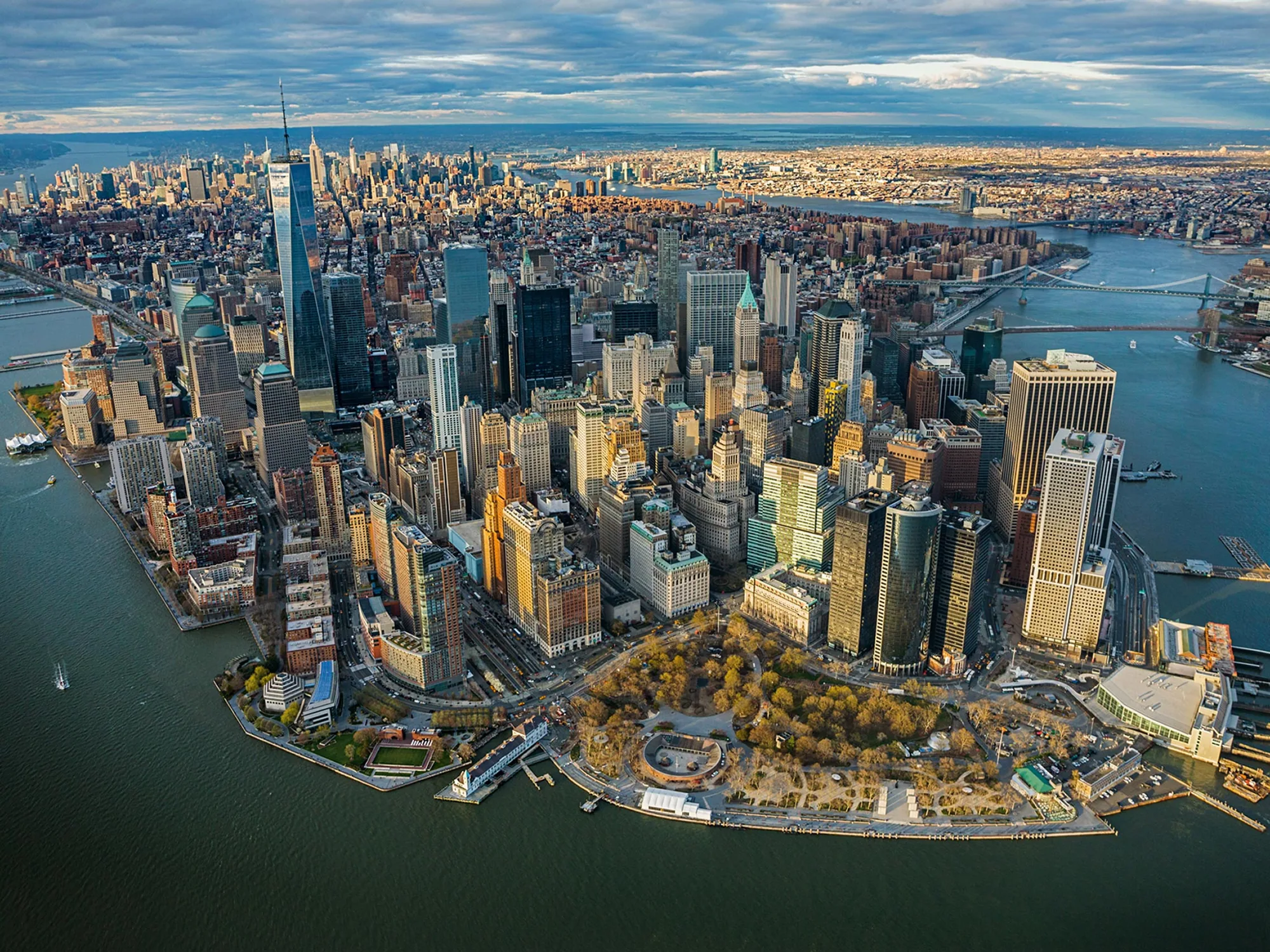
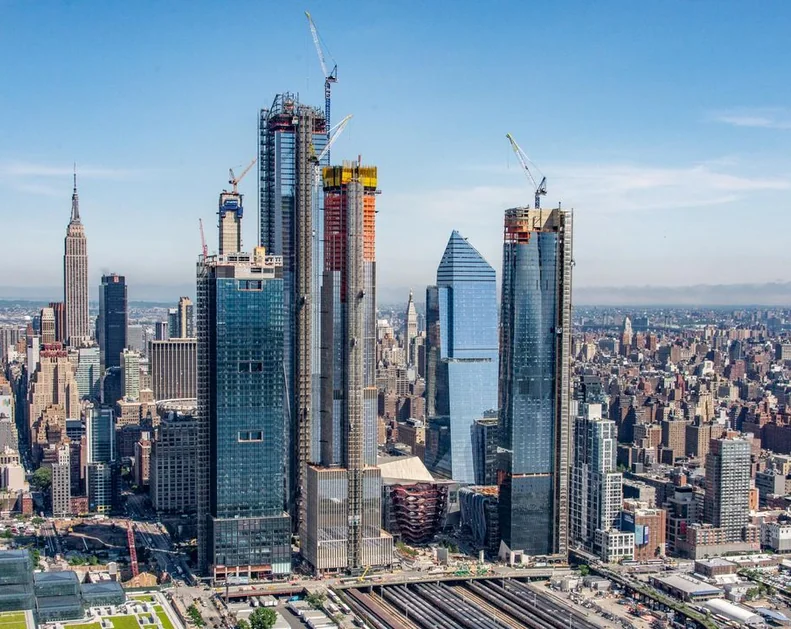
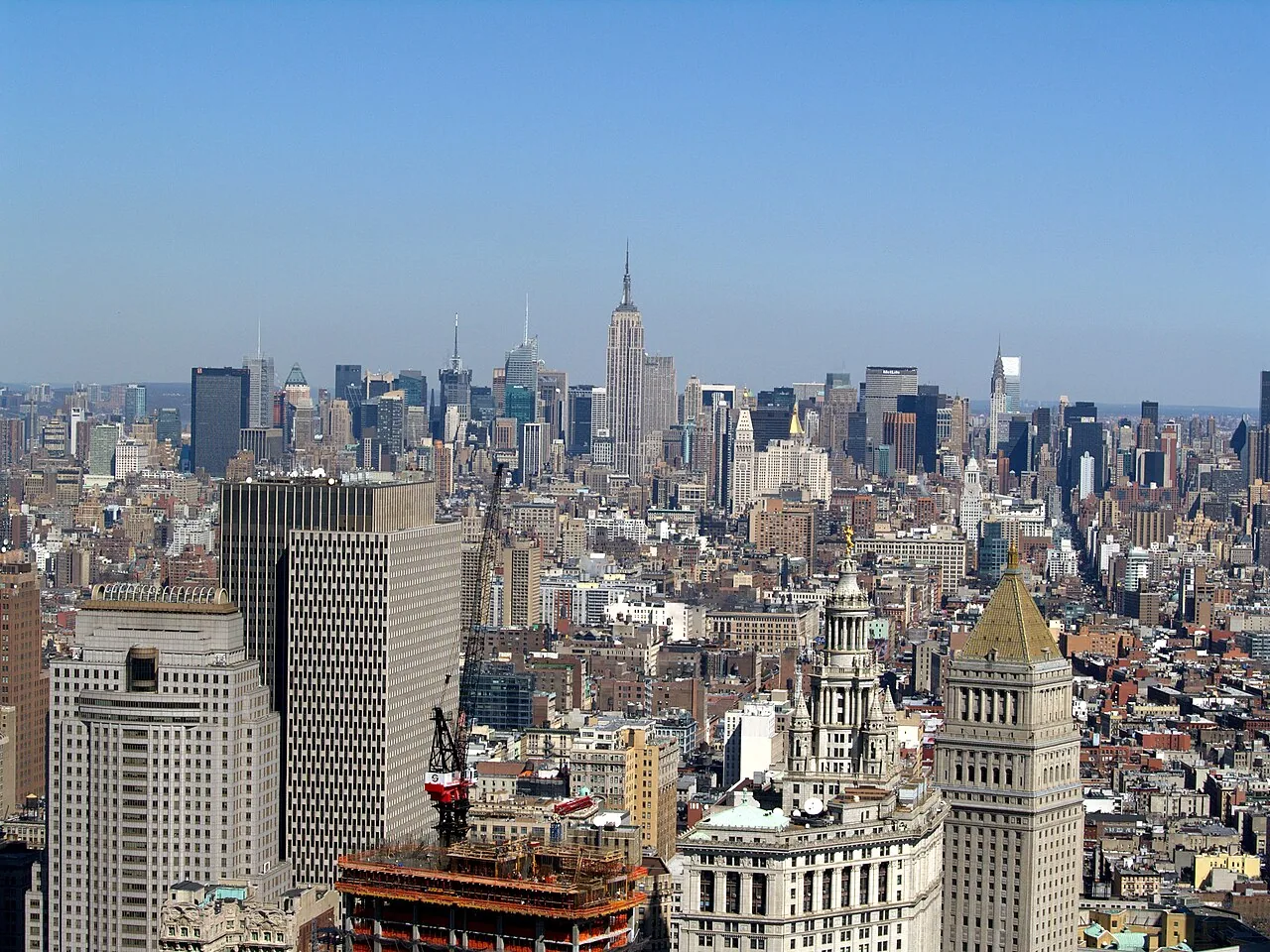
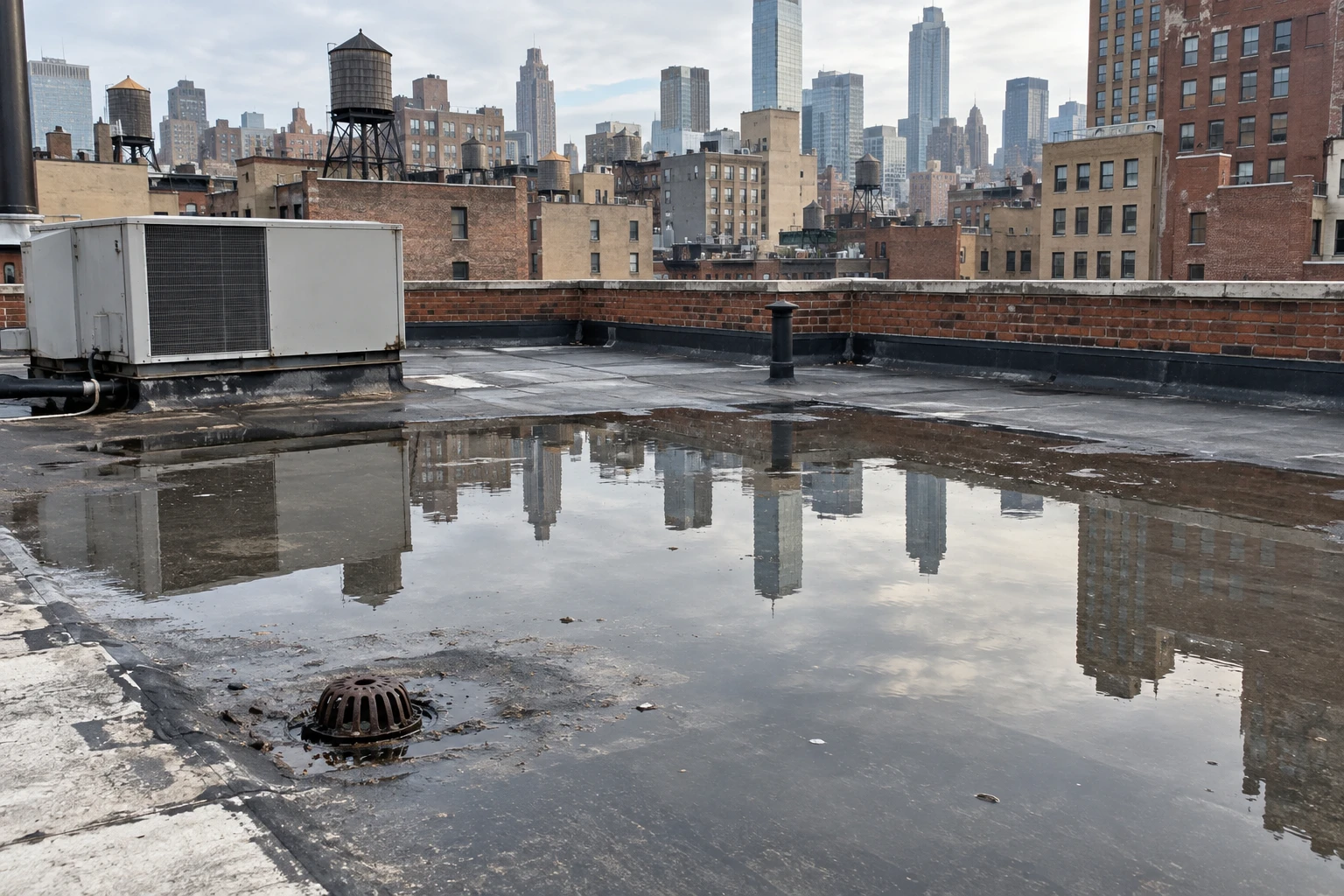
A moisture survey of a warehouse roof usually shows the water in one place, near the low corner where the drain leader sits, while the rest of the field reads dry. That gap between a local reading and a general condition is what decides whether an owner repairs a bay or replaces a roof. Warehouses in Manhattan, NY and across the Hudson are a mixed lot: converted freight buildings in West Chelsea, loft and warehouse blocks in the Gansevoort Market Historic District, and large storage buildings in New Jersey towns such as Secaucus. Each carries its own roof, its own drainage and its own rules.
We survey, repair and replace roofs on storage buildings, and we put the findings into a document the owner can use for a reserve study or a lease negotiation. The latest roof report, the building's age and any open violations start the survey, and scope comes before any price.
What does a survey of a warehouse roof actually measure?
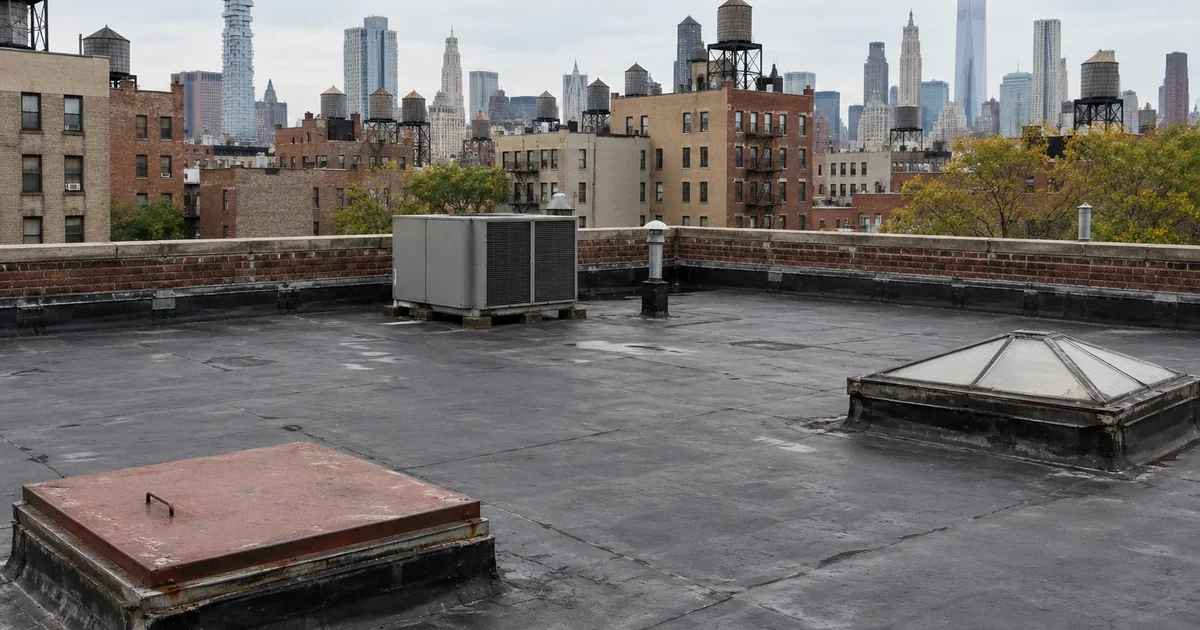
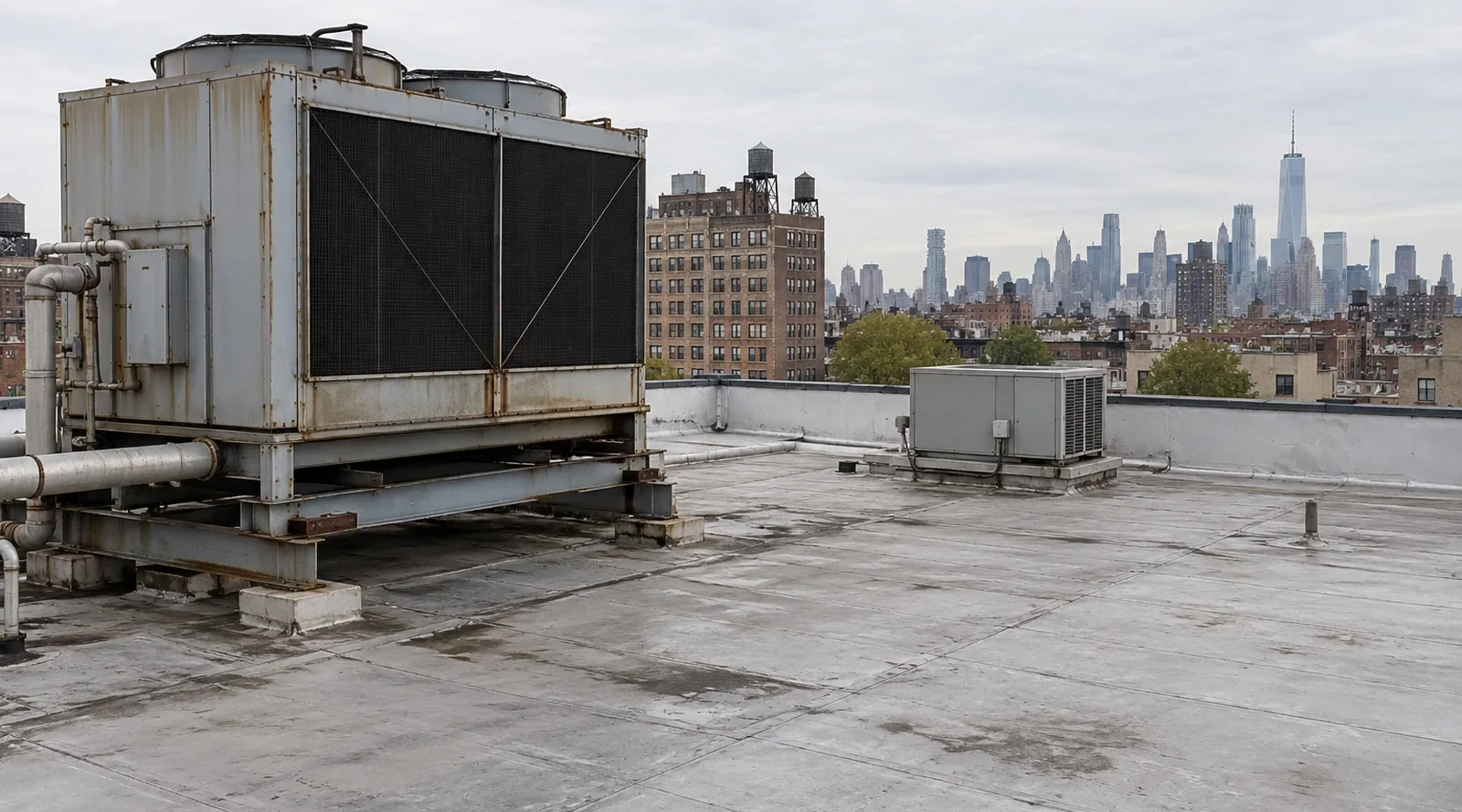
Four things. We run an infrared scan at dusk, when wet insulation releases heat more slowly than dry. We cut cores at the warm spots and at a few control points to confirm what is under the membrane. We measure ponding depth after rain, using a level and a tape, at every low spot. And we inspect each mechanical curb, drain leader and parapet coping for the details that carry water into the building.
The result is a condition rating for each roof area, with photographs tied to a sketch. A large, plain field with one wet corner scores differently from a field with a dozen wet spots. The rating goes into the reserve study, and it gives the owner a defensible basis for choosing among repair, recover and replacement. The same method applies to a distribution center with a busy dock line and to a cold storage building with a vapor retarder to protect, and it carries over to a loft converted from a warehouse. In each case the survey asks where the water is, how it got there and what it has done to the insulation.
Why does drainage decide so much on a storage building?
Ida's September 1, 2021 storm gave New York City its first flash flood emergency from the Weather Service, along with 3.15 inches of rain in one hour and 7.13 inches in Central Park. A roof drain leader sized for ordinary storms cannot keep up with that rate, and a flat roof then holds water against every parapet and curb. The water adds load and tests every seam.
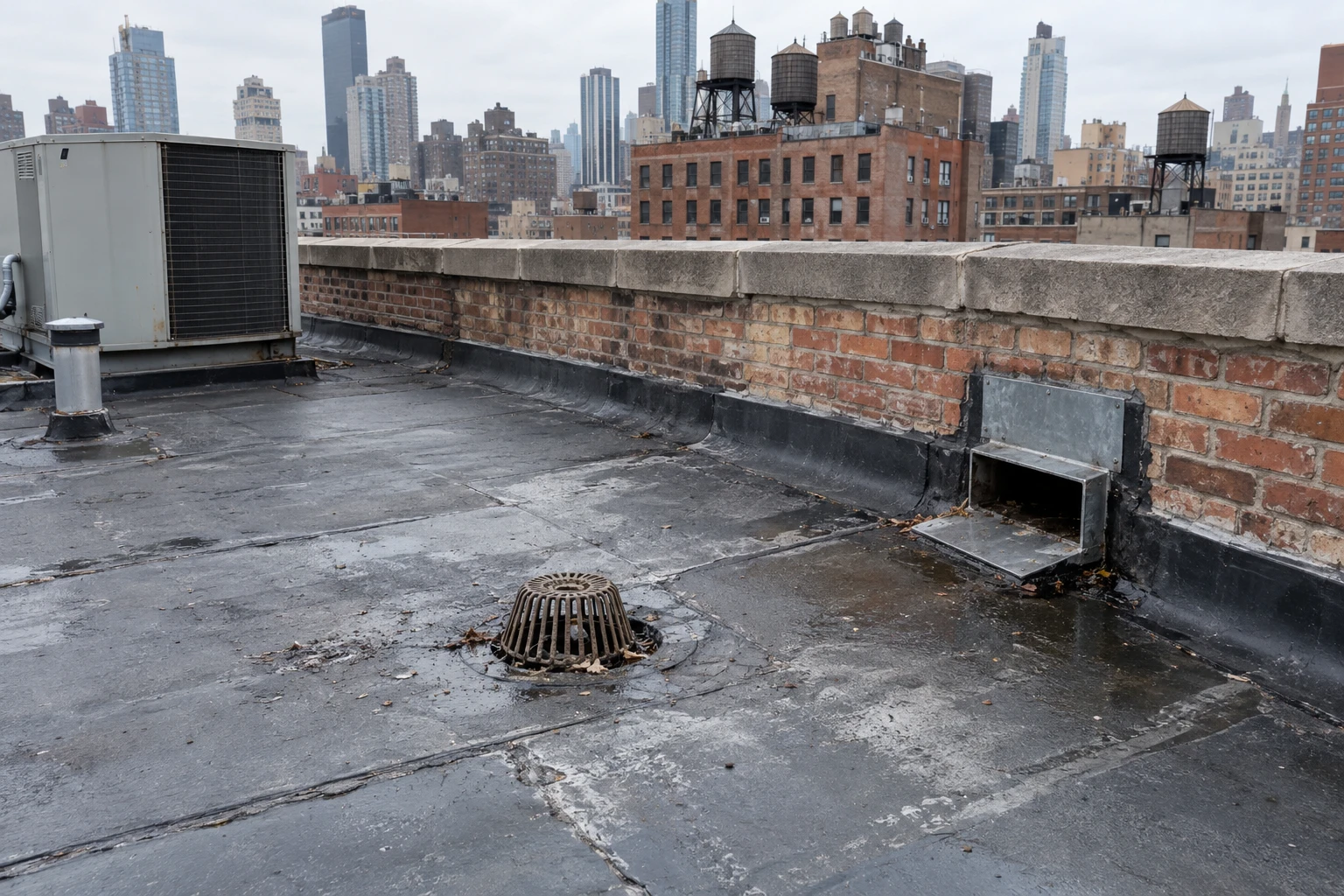
We check the leaders, the strainers, the scuppers and the slope. A drain bowl set high, a leader partly blocked or a bay that has sagged will pond. The fix may be a cleaned leader, a new sump, tapered insulation or an added overflow. Our roof drains and scuppers work records ponding depth before and after, so the improvement shows on paper, and the same reading goes into the ponding water repair scope when a bay has sagged. Document the standing water with a dated photograph and a tape measurement after the next heavy rain.
What changes when the warehouse is a converted landmark?
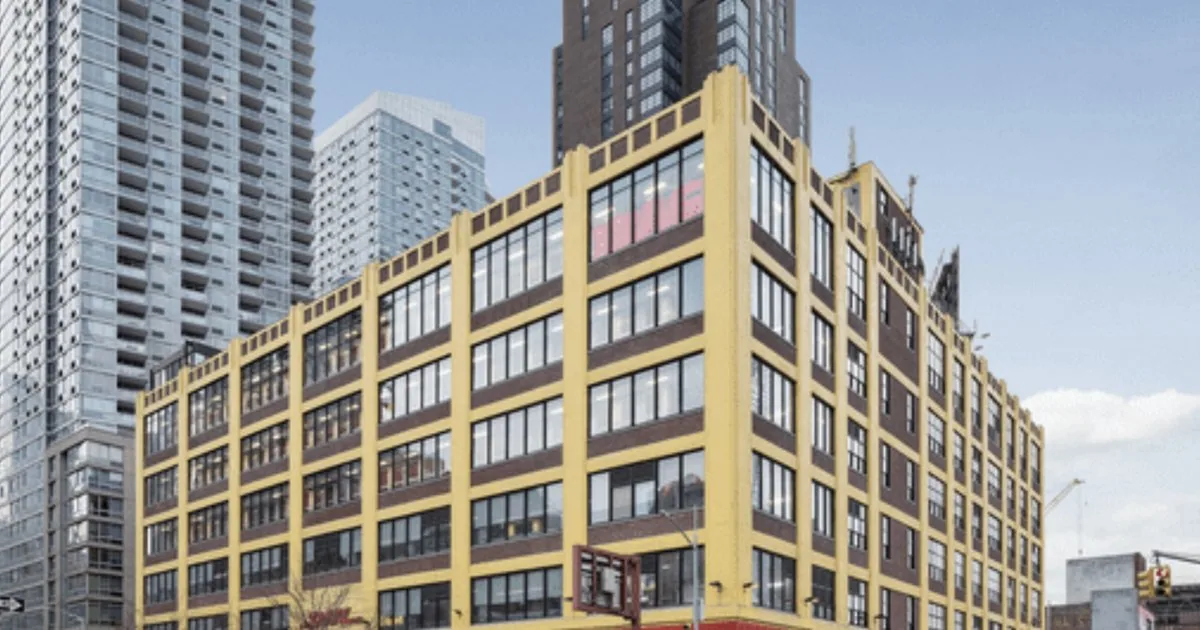
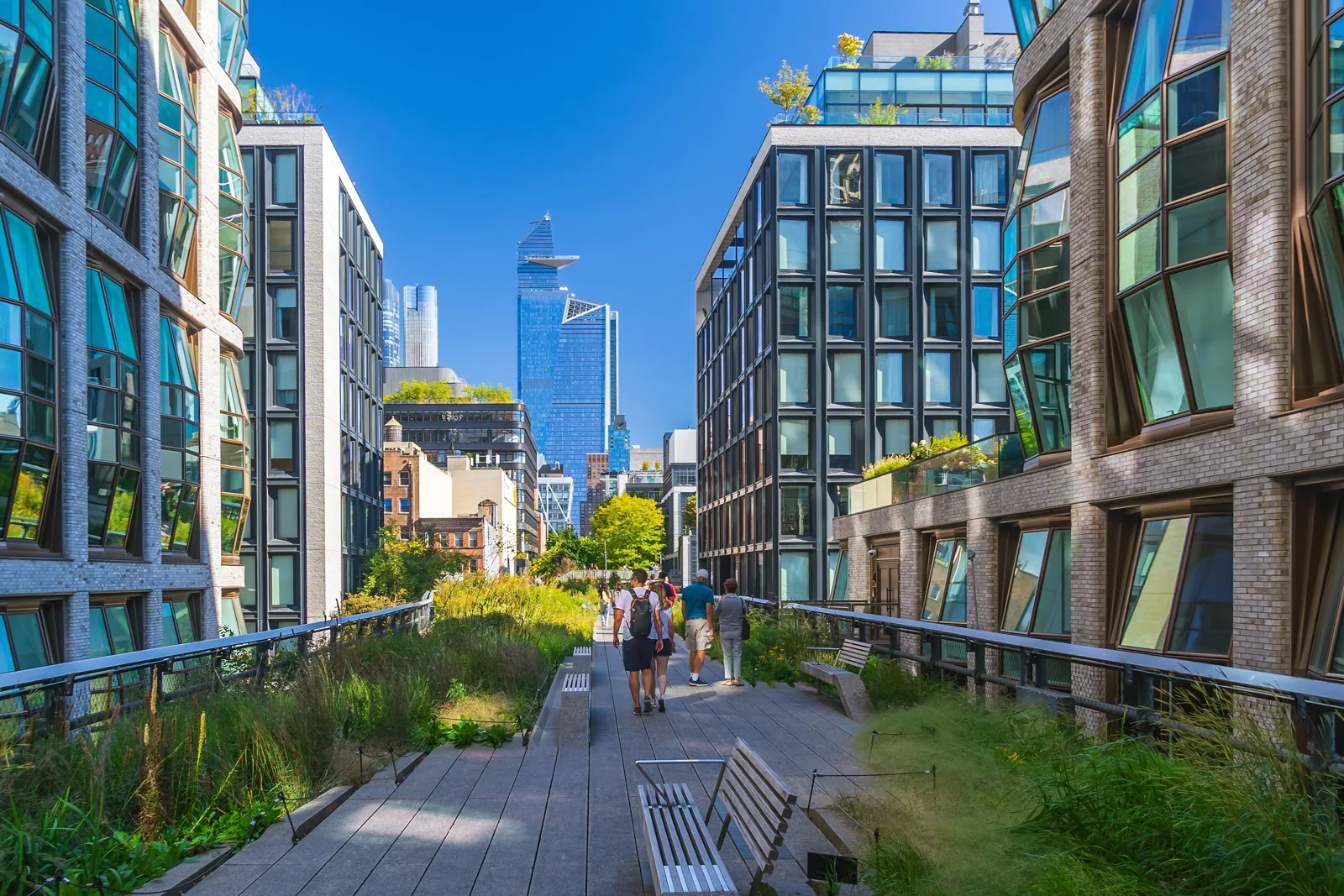
West Chelsea's gallery district holds more than 200 galleries, many in converted warehouses, and the Starrett-Lehigh Building, a full-block freight terminal and warehouse on West 26th Street, was built in 1930 and 1931 and designated a city landmark in 1966. The Gansevoort Market Historic District protects 112 buildings on 11 blocks, including warehouses and rowhouses. A roof in a district like that can fall under landmark review when a change is visible from the street.
We confirm early whether a roof, a bulkhead or a parapet is regulated, and we draft the scope accordingly. Coping stones, brick parapets and cornices are repaired in kind. The membrane below can be modern, but the edge detail follows the historic fabric. A document that shows what is original and what is new helps the review and the next owner. The work in Chelsea follows this order: confirm status, survey, then price.
How do New Jersey warehouse roofs differ from Manhattan ones?
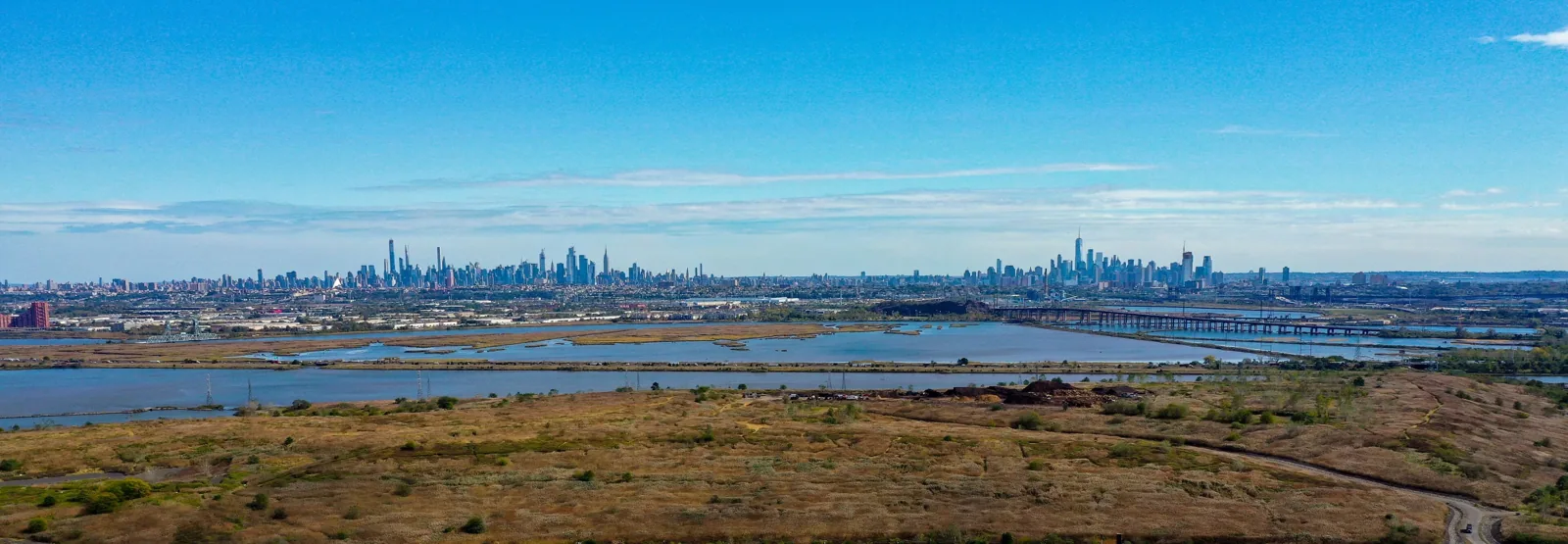
Drainage is a first-order question in Secaucus, which sits at an elevation of 7 feet with water covering 10.96 percent of its area. Panasonic's former North American headquarters in Secaucus included 500,000 square feet of warehouse space. The floor area tells us nothing about the roof, so we measure the roof itself. A large low-slope building has long drainage paths, and a blocked leader at the far end can hold a wide pond.
The New York, Susquehanna and Western Railway runs intermodal freight facilities, five in all, inside North Bergen, so trucks and rail shape site access. For a building in Secaucus or a nearby town, the survey covers wind exposure, edge fastening and low-point drainage, and it notes how material will reach the roof across a busy yard. Sandy's 14.06 foot surge is a reminder that a ground-level flood and a roof-level leak are separate failures.
Which option fits: repair, recover or replacement?
If the survey finds wet insulation in a small area, cutting it out and patching is sound. If the insulation is dry and the sheet is intact, a recover adds life at lower cost, provided the added weight fits the structure. If wet insulation is widespread, replacement is the answer, and in New York City such a replacement carries Local Laws 92 and 94 of 2019, which call for solar, a green roof or both across the sustainable roofing zone.
That requirement changes the budget and the layout of mechanical equipment on the roof. We list it early in the scope so that an asset manager is not surprised. The roofing zone calculation, the equipment layout and the structural capacity for added load are reviewed together, because a solar array or a green roof changes the weight on the deck and the access routes to every curb. For a warehouse in New Jersey the city law does not apply, but the same survey logic does. The roof condition report sets repair, recover and replacement side by side, with dates and cost ranges.
Commercial Roofing Questions
What decides whether a leaking warehouse roof is repaired or replaced?
The extent of wet insulation. A survey that finds water confined to a few spots supports repair. One that finds water across a large share of the field supports replacement. Core cuts and the infrared map supply the proportion, and the proportion decides.
Does the weight of a recover matter on an older freight building?
Yes. Older structures have limits that depend on their original design and any later changes. We ask for drawings and, where needed, bring in an engineer before adding a layer. If the margin is thin, a lighter system or a tear-off is safer.
How do we handle stored goods during a tear-off?
Work moves in sections, each dried in the same day, with protection placed below the work zone. Your team moves sensitive stock away from the area. We keep temporary seal material on the roof in case a storm arrives. The sequence is written down and shared with the building manager before work starts.
What records should an owner keep after a warehouse roof project?
The core log, the infrared images, the ponding depth readings, the product submittals and a sketch showing curbs, drains and penetrations. Those records support a reserve study, an insurance review and a future sale. We deliver them as a package when the project closes.
Do landmark rules apply to the roof of a converted warehouse?
They can, particularly for visible parapets, cornices and rooftop additions in a historic district. We check the building's status first and prepare drawings for review where required. Quiet interior roofs far from view are often simpler, but the status check comes before any scope is set.