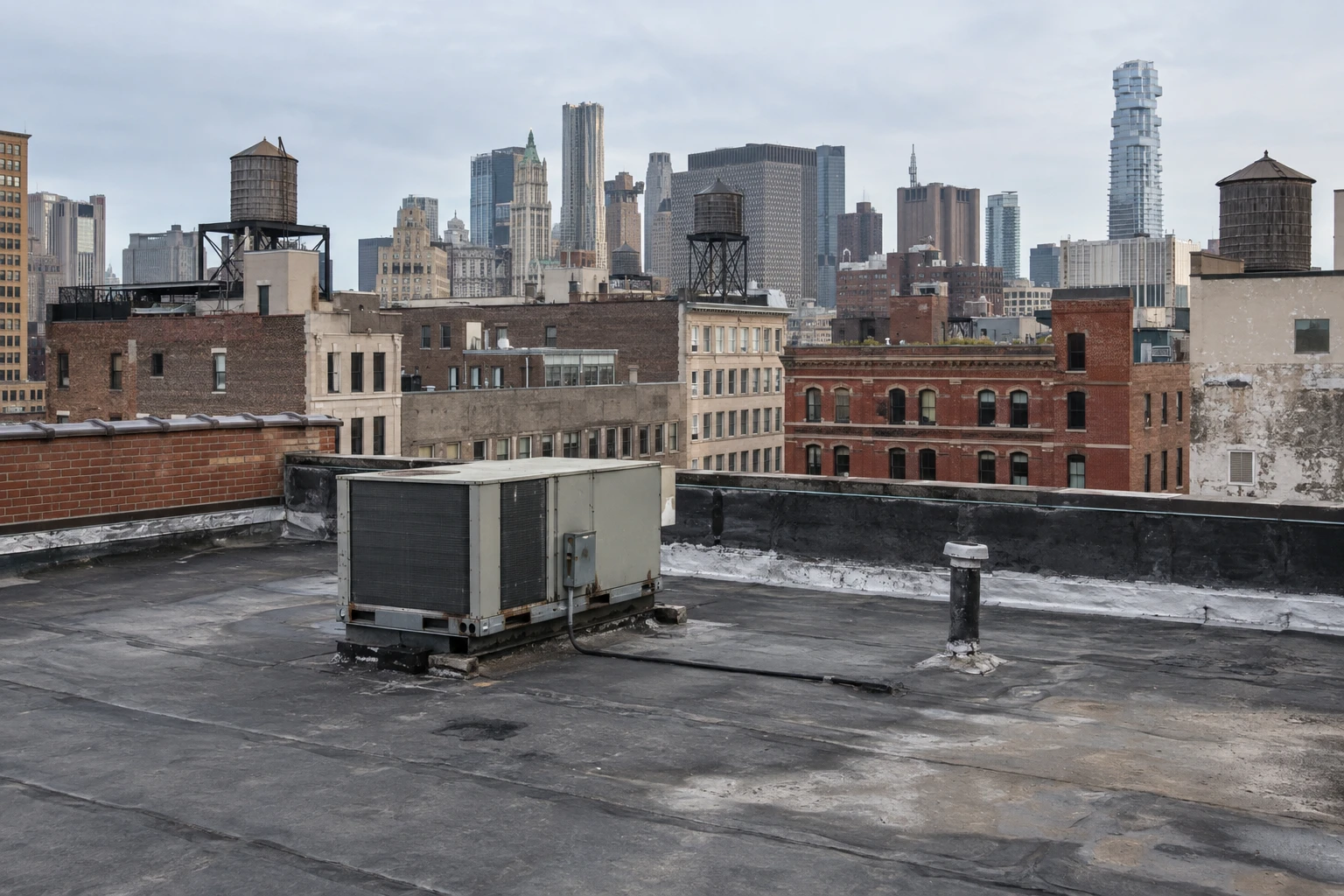
Roof surveys, drainage correction and replacement for Secaucus, NJ warehouses, data centers, offices and hotels, planned around low elevation and heavy rain.
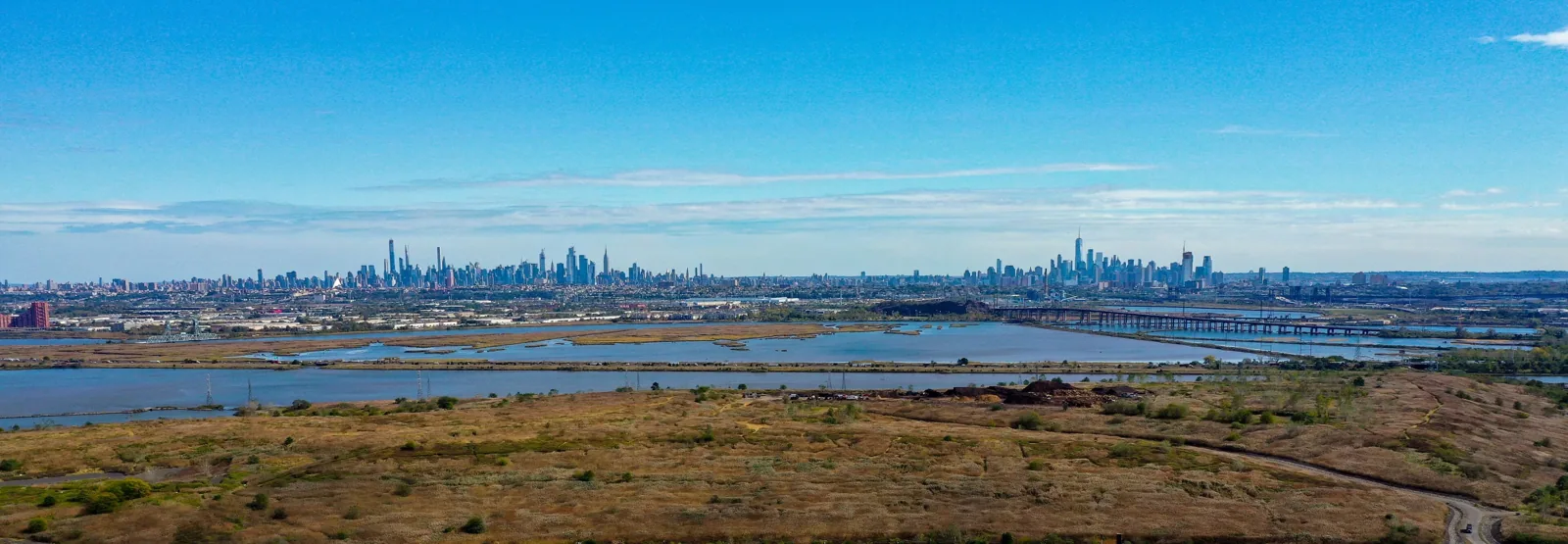
Secaucus sits at an elevation of 7 feet, and a roof there begins every storm with little margin. Water covers 10.96 percent of the town's area, and the town's low ground is the reason drainage and flood exposure matter for roofs here: the leaders that carry roof water away connect to a system that has to work when the ground around it is saturated. The first reading on a Secaucus roof survey is ponding depth after a rain, measured at the lowest drain. The town holds warehouse, office, hotel and data-center space, so the roofs are broad and the stakes inside are high. The last roof report and the building's age set the starting point.
Commercial roofs in Secaucus, NJ are surveyed, repaired and replaced from a Manhattan, NY base, with emergency response around the clock.
Which Secaucus building types set the roof priorities?
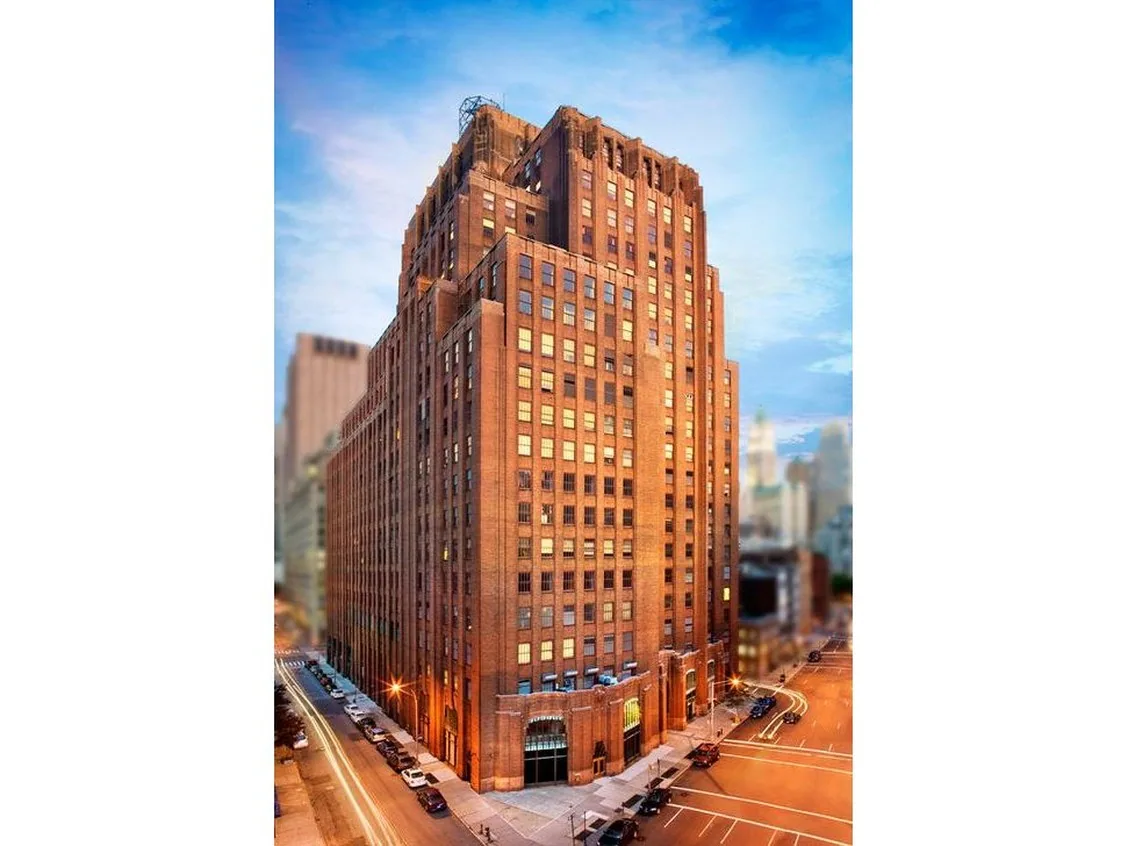
A former North American headquarters for Panasonic in Secaucus held 500,000 square feet of warehouse space and 250,000 square feet of offices, a sense of the scale the town can hold. Floor area is not roof area, and we measure each roof ourselves, but a warehouse-and-office complex of that kind combines a broad low-slope roof with rooftop mechanical units. The Plaza at Harmon Meadow brings wide spans, amenity roofs and many penetrations through its convention space, cinema and hotels.
Secaucus is also home to 13 data centers, a count credited partly to the town's storm resiliency. A data center roof protects equipment that cannot get wet, so the tolerance for a leak is nil. We rate roofs by consequence as well as condition, so a mid-rated roof over critical space moves ahead of a worse roof over storage. The use of the space below each roof area belongs with the first request.
Hotels and convention space add a second layer. Guest rooms under a roof are sensitive to noise and odor, and an amenity roof with pavers or equipment hides its membrane. The Plaza at Harmon Meadow, with several hotels and about 1,200 rooms, shows the type of district where scheduling around guests is part of the scope. We sequence noisy work for mid-day, protect entrances and keep the top floors informed. A leak over a hotel room is counted in nights lost, so drains, penetrations and amenity decks get early attention.
How should drains be sized and tested on a low-lying site?
A drain system is designed for a rainfall rate, and the 7.13 inches recorded in Central Park on September 1, 2021, with an hourly peak of 3.15, sets the scale of the test.
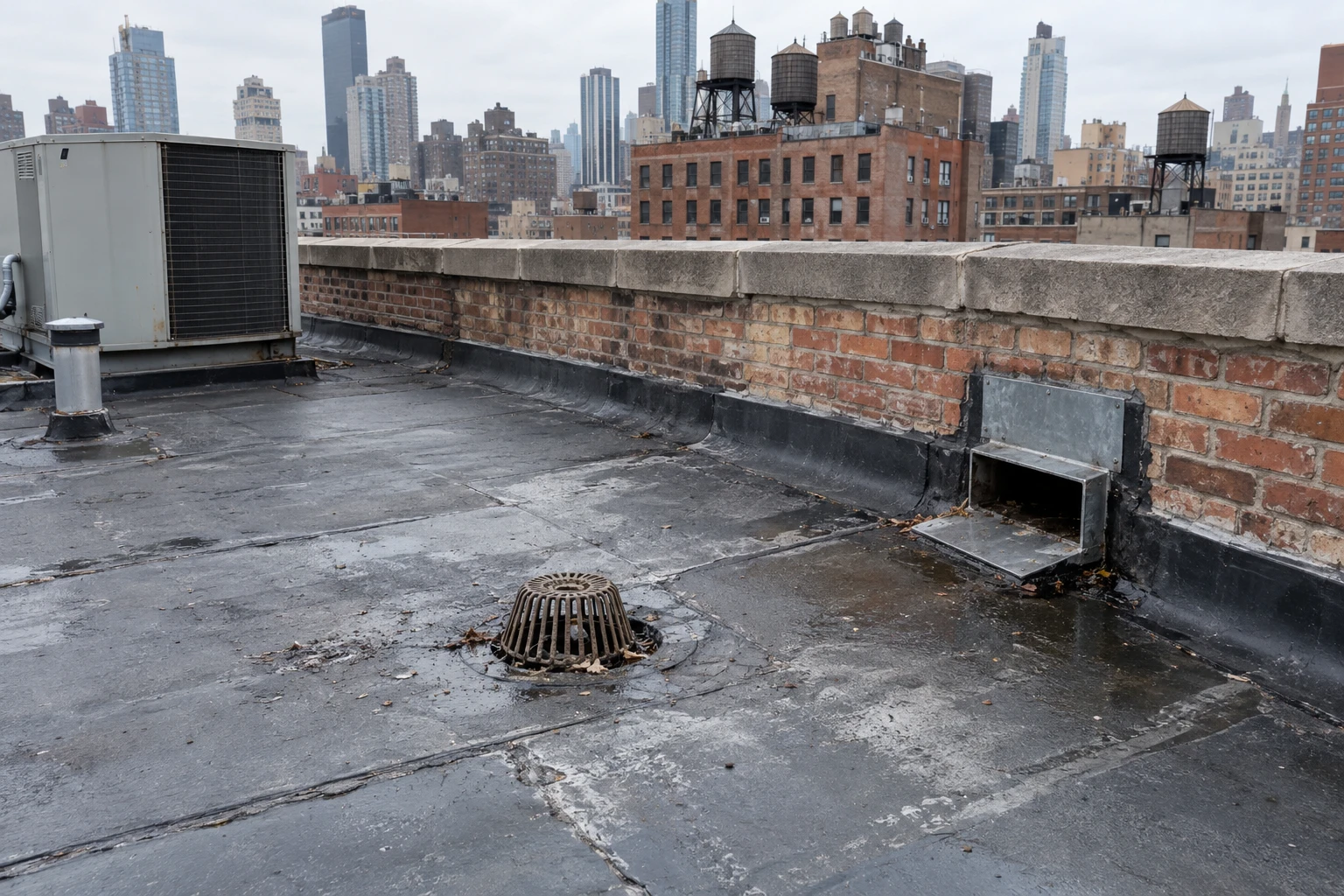
We flush each roof drain leader with a measured volume and time the clearance, inspect the leader with a camera if it is slow and check overflow scuppers against the design height. On a broad roof, a clogged drain at the low end can hold several inches of water across a large area, and the load adds up quickly. A roof drains and scuppers correction is often the cheapest way to protect the deck and the insulation. Photograph the ponding and measure its depth with a ruler.
Low elevation also changes what happens after the rain. When the ground around a building is saturated, the street drains that receive roof leaders can run slowly, and a leader that discharges at grade may back up toward the roof. We check where each leader ends, whether backflow protection is present and whether the discharge point sits in a low spot. A roof that clears quickly but sends water to a flooded yard has only moved the problem. The survey notes each discharge point so the owner can raise it with the site engineer.
What changes when the roof protects a data center?
A data center roof carries cooling equipment, exhaust and often exhaust from backup power, and it covers space where a drop of water is a failure. The requirements are strict: a membrane with a long service life, redundant drainage, carefully flashed penetrations and a maintenance schedule that prevents surprises. Access rules are tight, with escorts, badging and hours that suit the tenant.
We survey with moisture mapping and thermal imaging, rate the roof on the standard scale and plan repairs in sections that close daily. Work above live equipment is coordinated with the facility's engineers, who decide when sensitive areas can be opened. Our data center roofing approach centers on documentation, since the owner needs a record for the operator. Ask the facility engineer for the access procedure and the blackout dates.
Temporary protection deserves its own plan on this kind of roof. Tarps and temporary membranes are fastened to the deck, ballasted against wind and inspected after each rain, and the crew carries enough dry-in material to close an opening within an hour. If a storm is forecast, the section in progress is closed before the crew leaves, and the log records the time. For a data center, we agree in advance on what counts as an emergency stop and who calls it, so no one hesitates when weather turns.
Which roof systems fit warehouse and hotel roofs here?
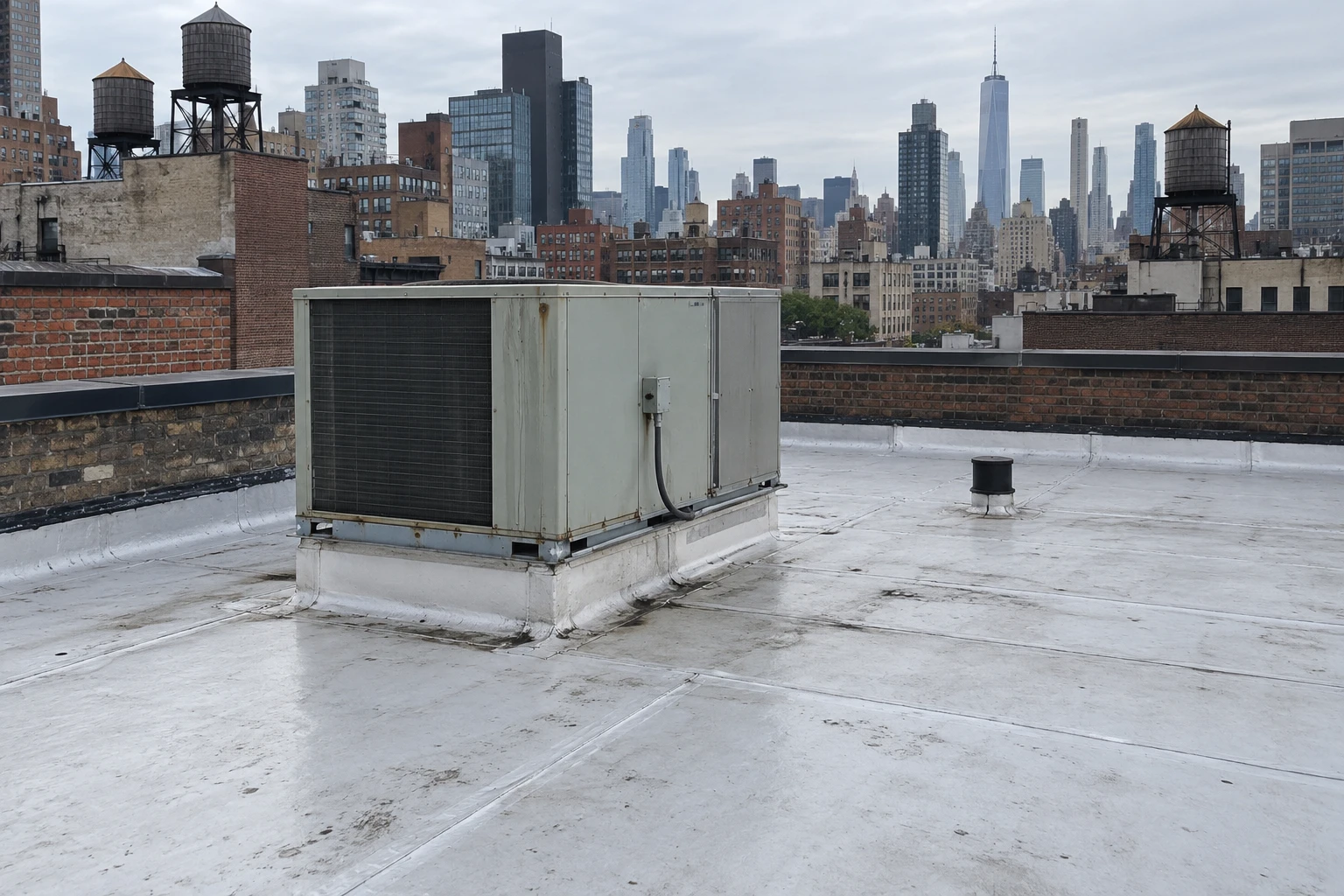
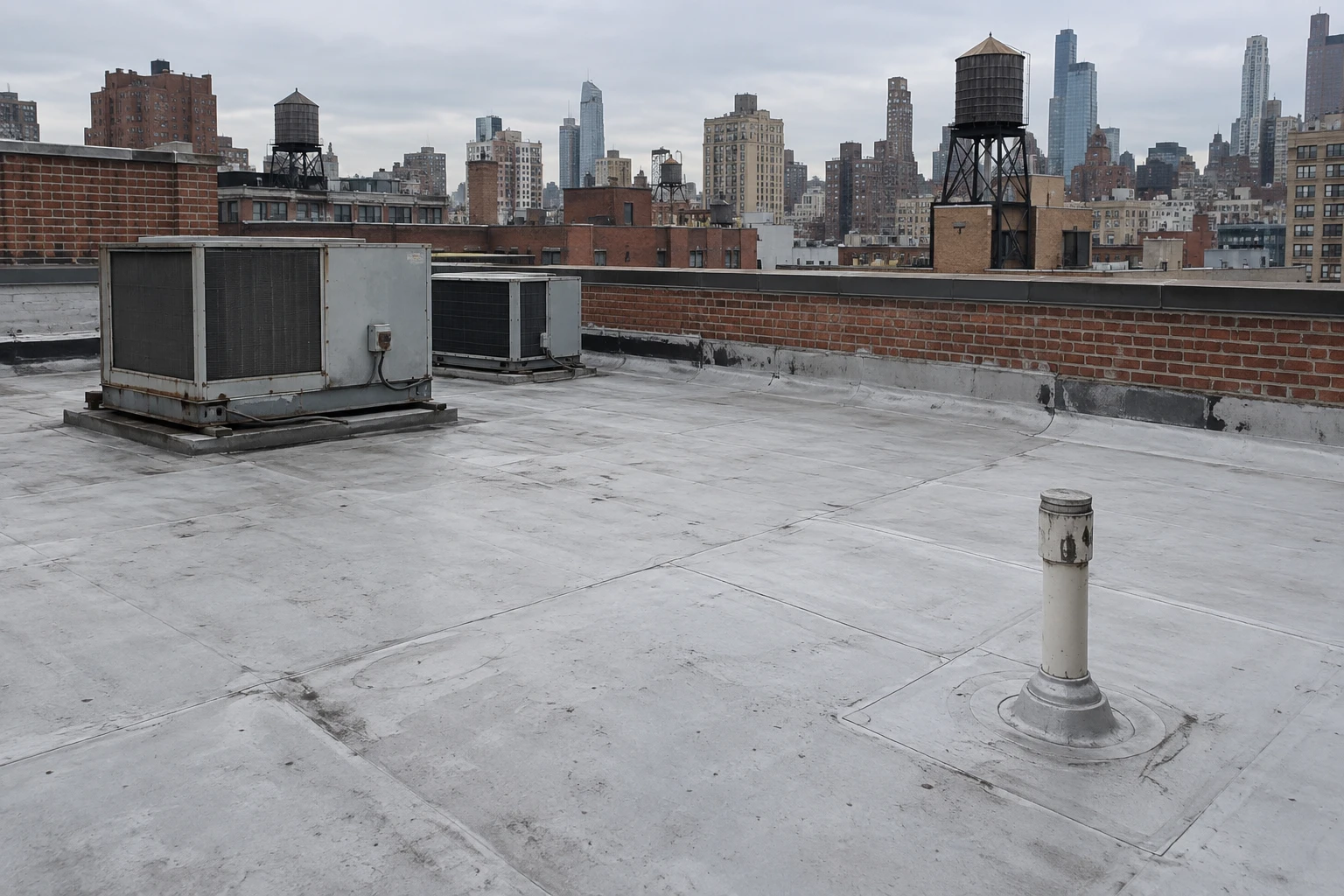
Large low-slope roofs suit single-ply membranes: TPO roofing is common for its reflectivity and welded seams, and PVC roofing suits roofs with exhaust and grease, such as a hotel kitchen. Where a roof is sound and dry, a restoration coating extends its life at lower cost. Where insulation is wet, replacement follows.
The choice follows the moisture map, the deck, the wind exposure and the budget. For a roof that will carry solar, the membrane and the insulation are specified for the added load and for the penetrations. The state code governs New Jersey buildings, and the edition and energy provisions are confirmed at the survey. The proposal should state the code basis, since it sets the insulation level.
How does an owner plan across several Secaucus buildings?
A rated survey of every roof produces a ranked list. Repair, coating and replacement sit apart in the plan, each with cost drivers, and the plan feeds the reserve study. For owners with a portfolio, a multi-site roof program sets one report format and one calendar across buildings.
Secaucus sits near North Bergen and Jersey City, where owners often hold more buildings, and the same scale compares them all. Update the ratings after every major storm.
A finished roof's closeout file carries layer photographs, material data, test results, warranty paperwork and a rating. Operators and lenders read it, and so do insurers. For a building with tenants who depend on the roof, such as a data operator, the file also lists the maintenance tasks and the dates, so the owner and the tenant can agree on who does what. Keep a copy with the lease and a copy with the building engineer.
Commercial Roofing Questions
What decides if a ponding roof needs new drains or tapered insulation?
The cause decides it. If the drains are blocked or undersized, they are cleared or added. If the deck has a low spot, tapered insulation or crickets move the water to the drains. The survey separates the two.
Can a warehouse roof be replaced while the building operates?
Usually, in sections. We protect stock and dock lanes, stage materials away from loading routes and close each section before the day ends.
How tight is access at a data center?
Tighter than most buildings. Expect escorts, badging and set hours. We provide crew lists early and follow the facility's procedures.
Does low elevation change the membrane choice?
Not the membrane as much as the drainage and the equipment. The roof must clear water fast, and critical equipment should sit above the roof surface on proper curbs.
What should we send for a first survey?
Address, building age and use, the last roof report and photographs of the worst drain and edge. If rooftop equipment is critical, send the list.