Field-first assessment
We begin with the roof in front of us: membrane, seams, flashings, penetrations, drainage, edge conditions, equipment curbs, traffic patterns, and visible signs of moisture or movement.
A useful roofing proposal should make the important decisions visible: where water is entering, what moisture is trapped, whether the deck needs repair, how insulation and drainage should be handled, what penetrations and edge details require work, how occupants and equipment will be protected, and which maintenance or warranty requirements continue after closeout.
Every job starts on the roof itself, with photographs, moisture readings and a written scope. The owner sees what is wet, what is worn and what can wait before any repair or replacement is priced.
We begin with the roof in front of us: membrane, seams, flashings, penetrations, drainage, edge conditions, equipment curbs, traffic patterns, and visible signs of moisture or movement.
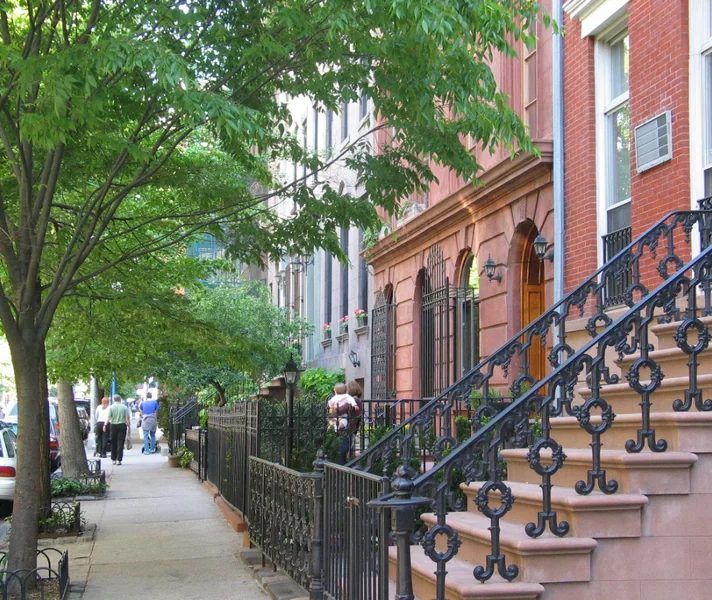
Repair, recover, coating, and replacement options are compared against deck condition, insulation, drainage, code, manufacturer requirements, service-life goals, and the owner's budget.
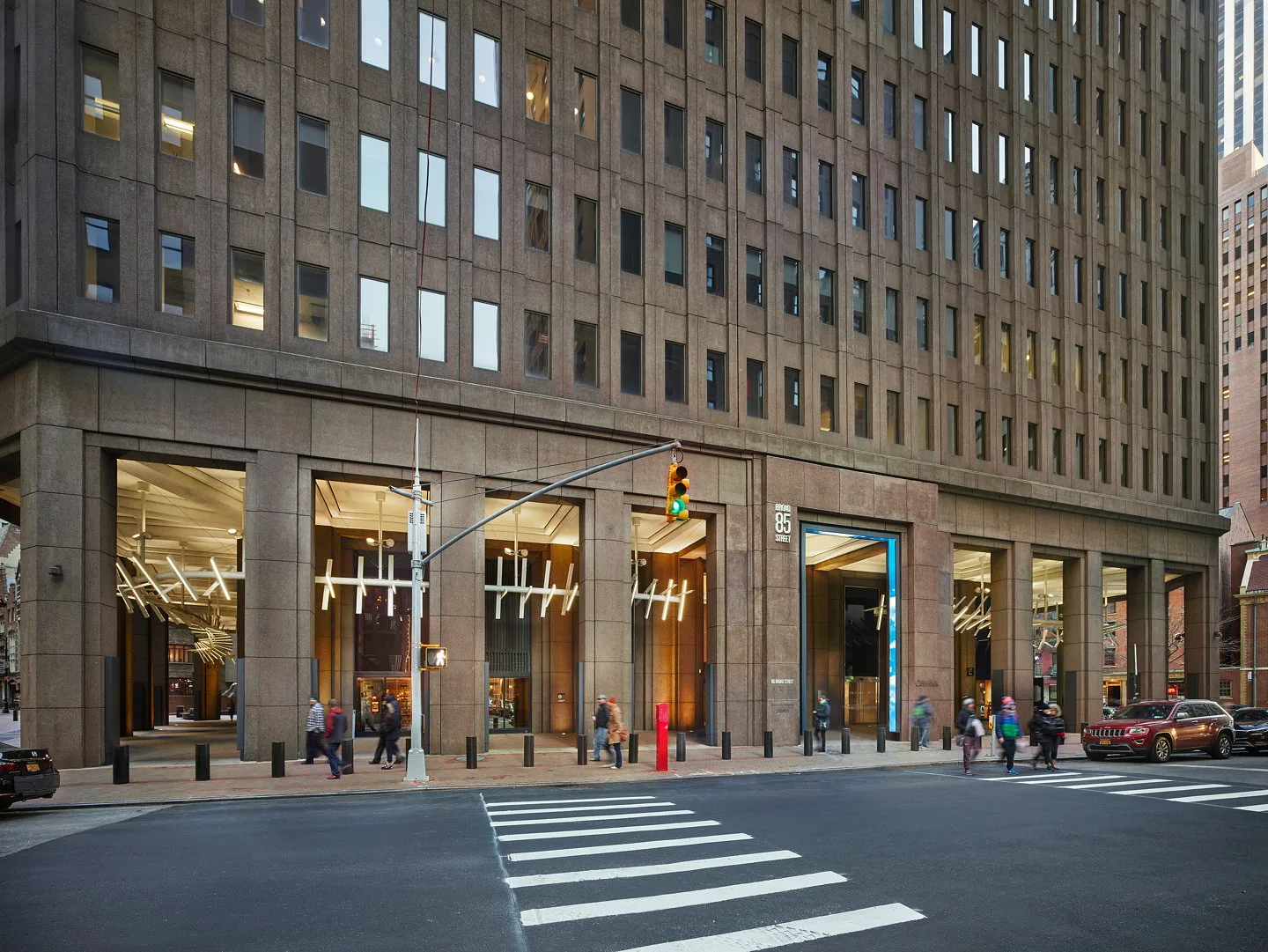
Access, staging, odor, noise, debris, weather protection, delivery windows, interior protection, and daily dry-in procedures are planned around the way the facility operates.
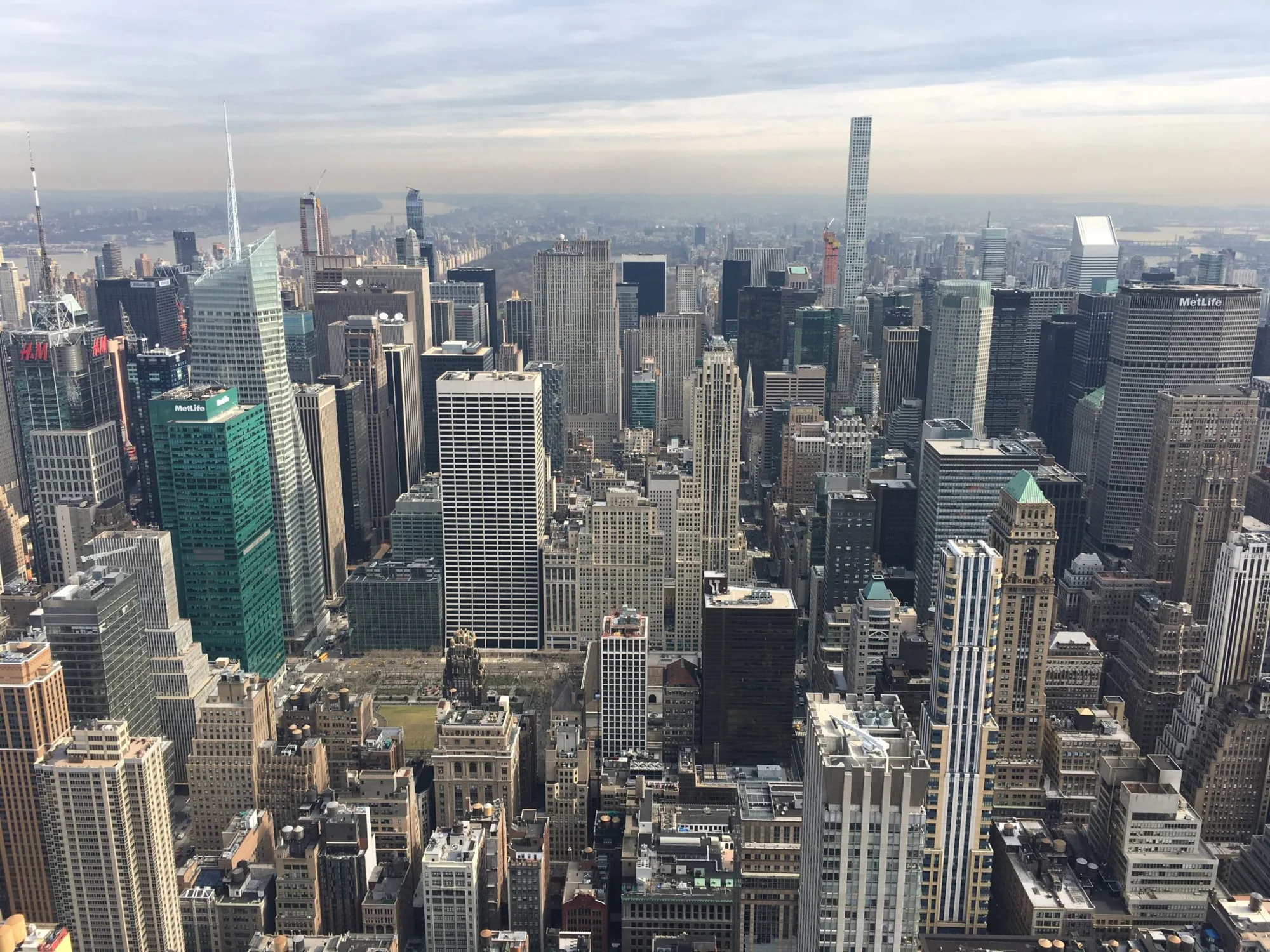
Photos, approved details, warranty records, maintenance expectations, and follow-up priorities are organized so the facilities team has a useful roof record after the project is complete.
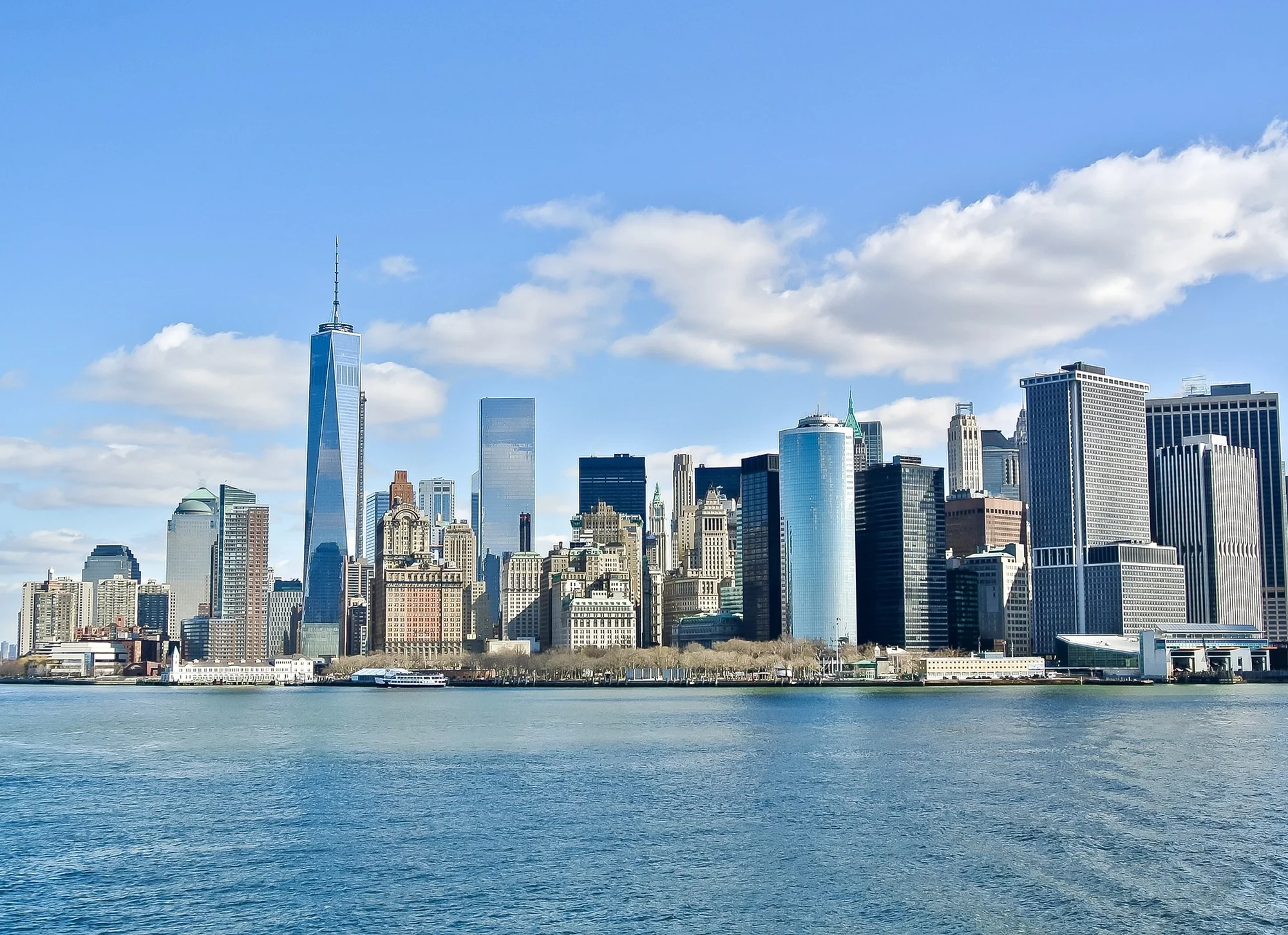
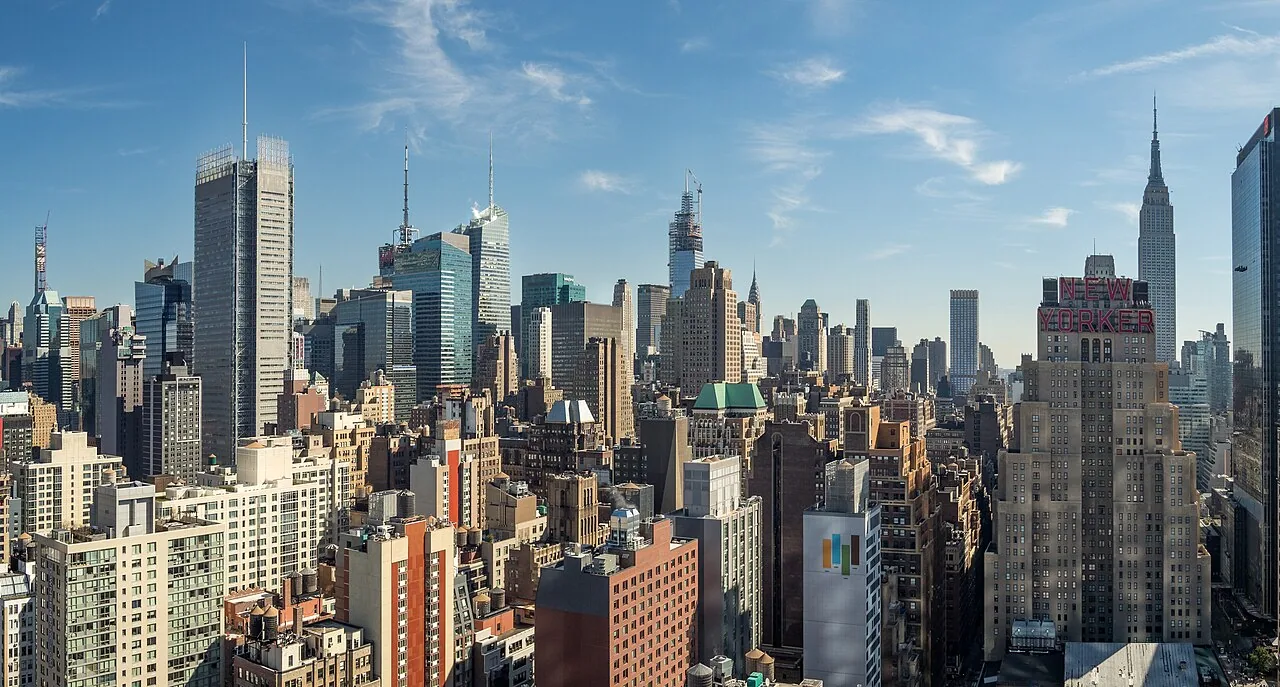
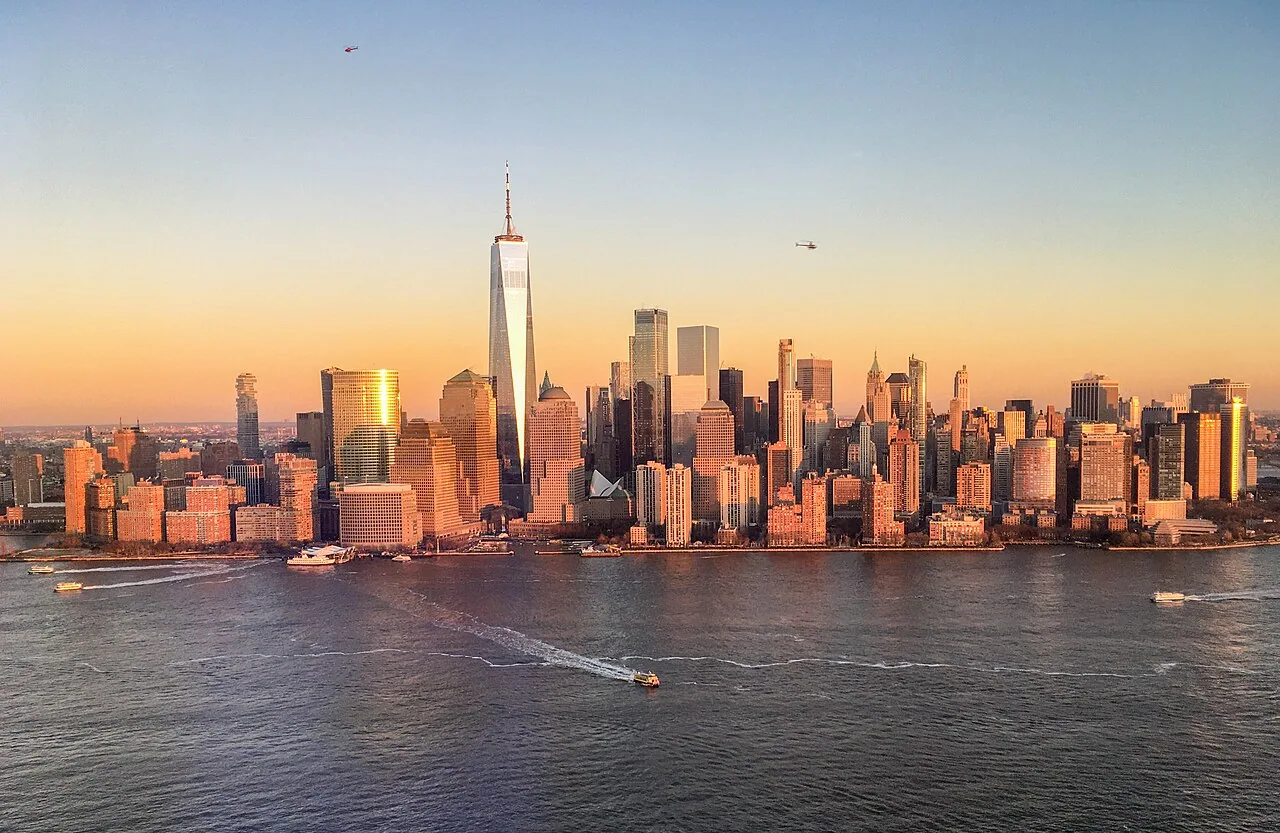
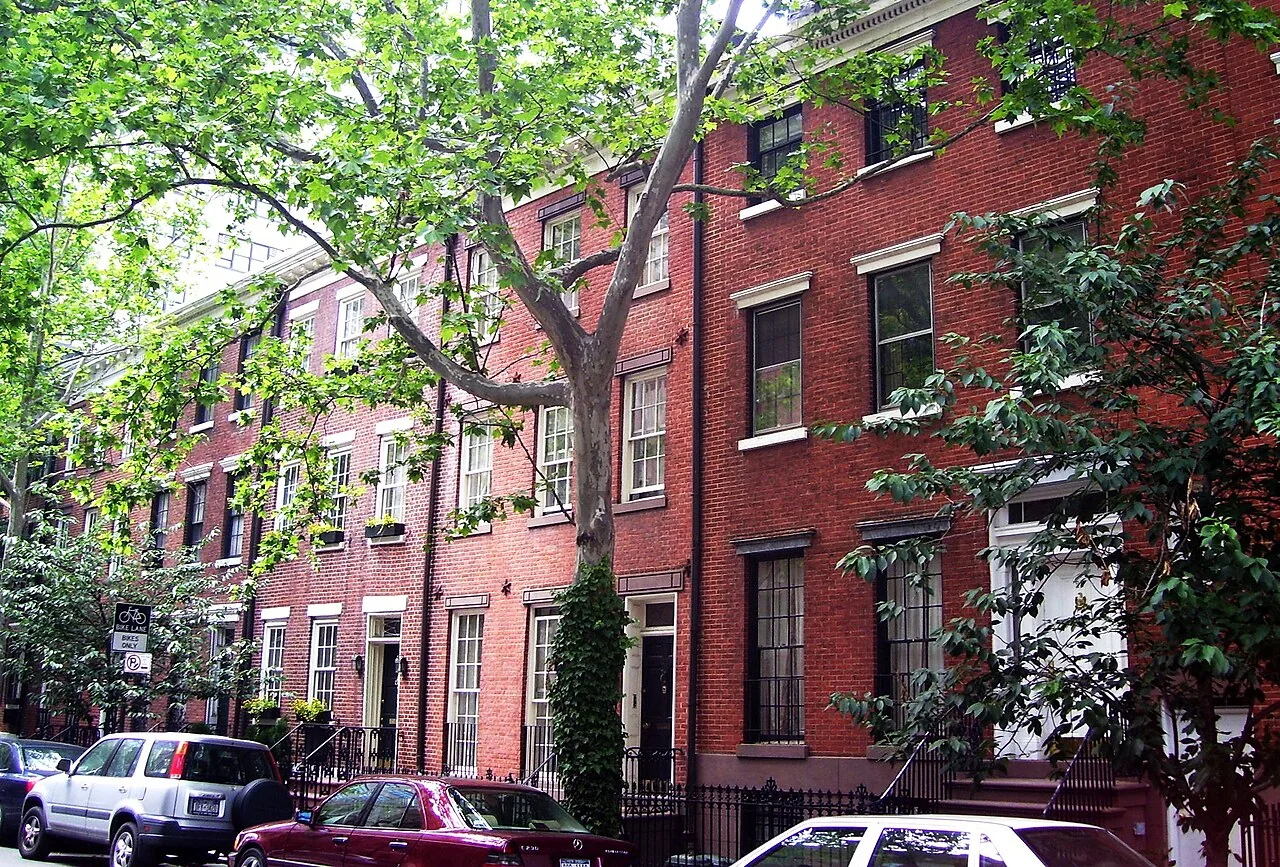
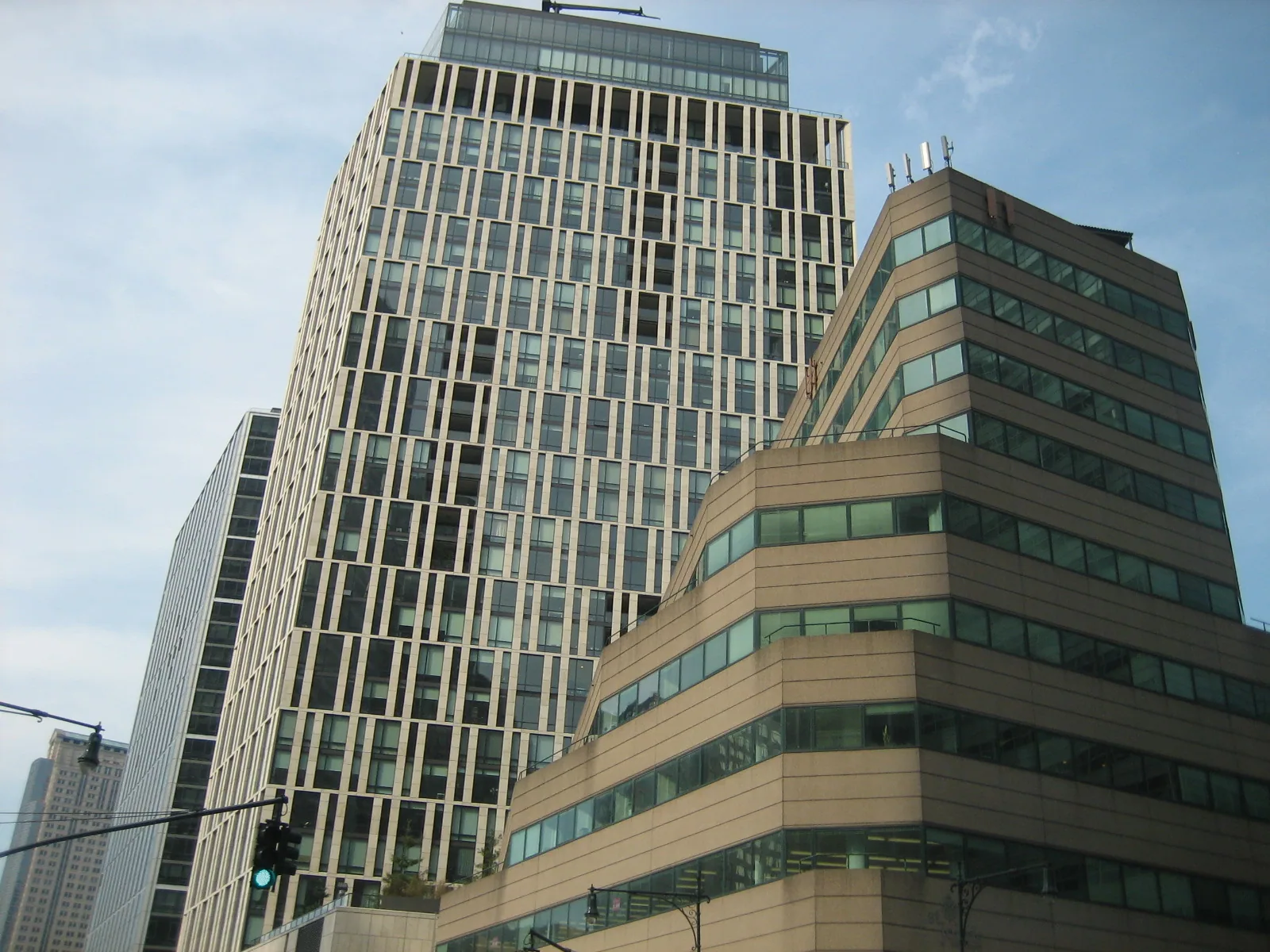
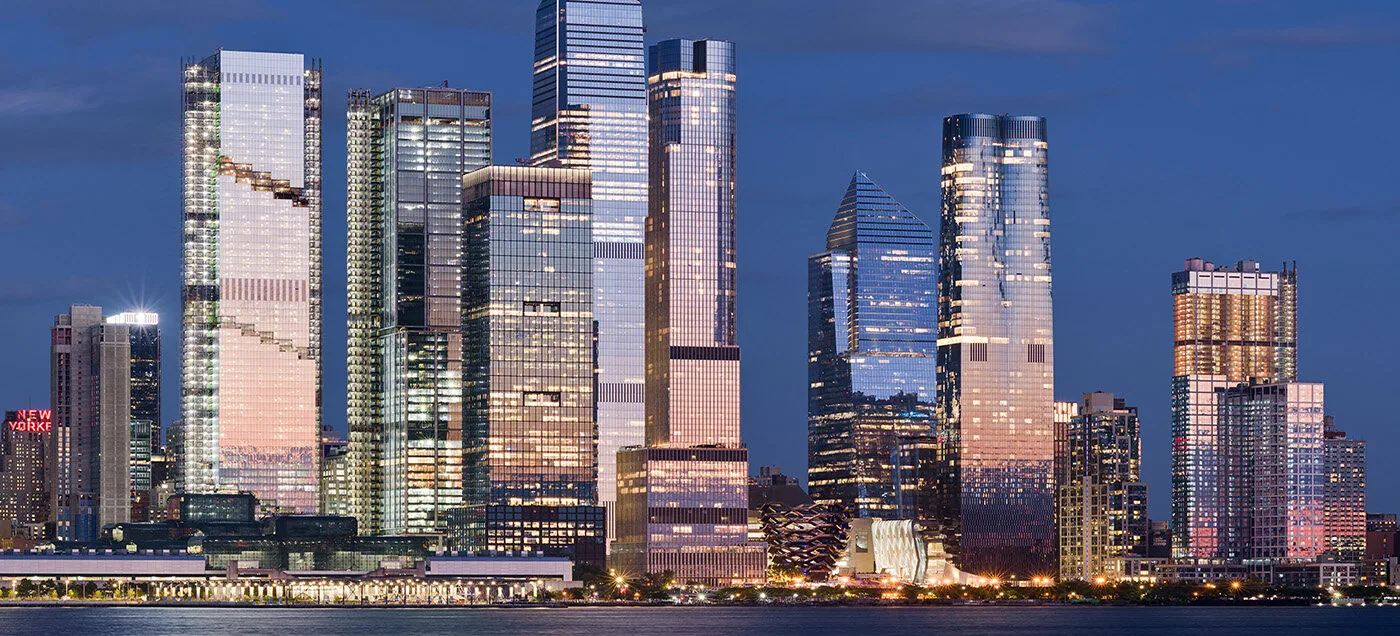
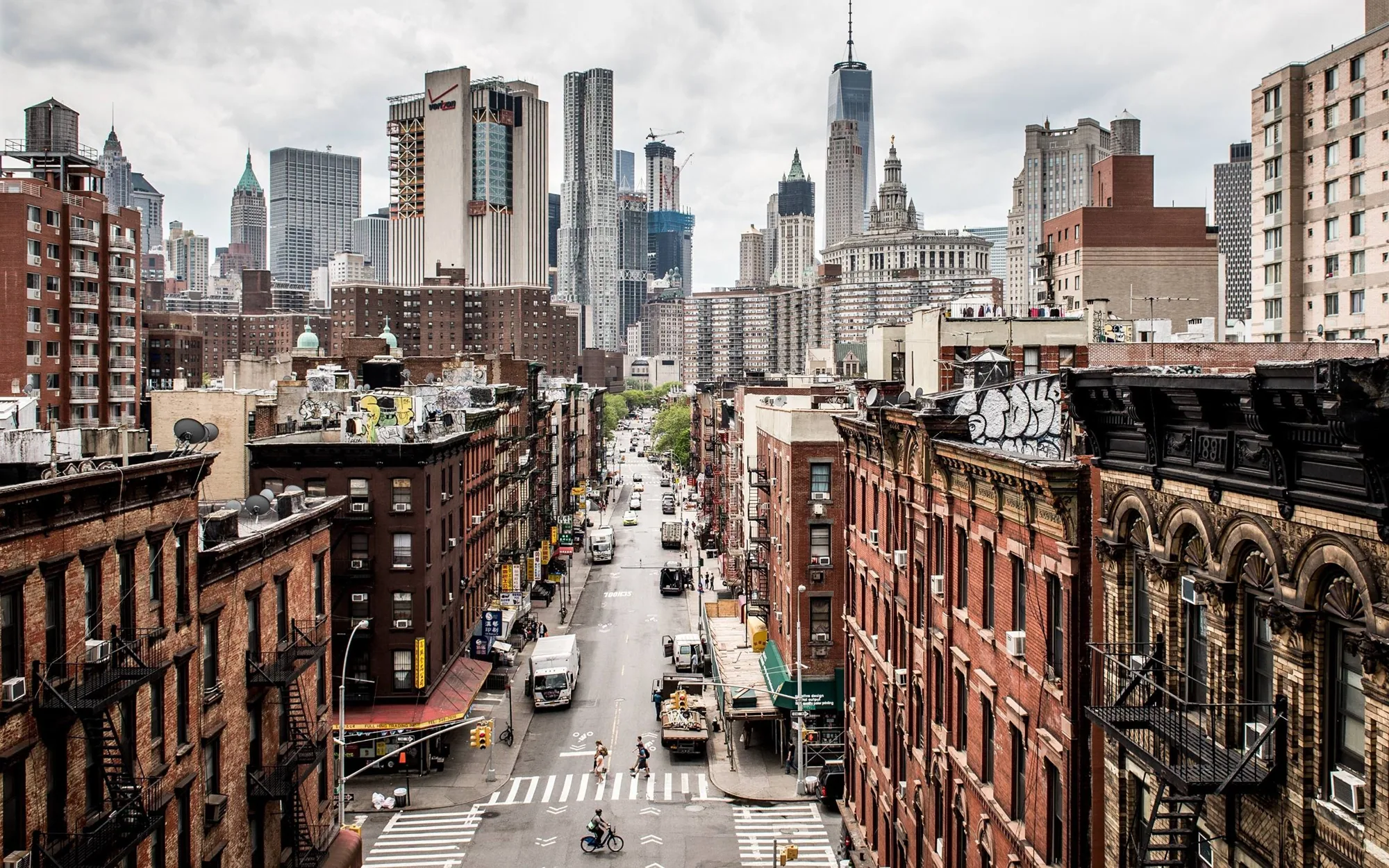
We roof buildings across the neighborhoods of Manhattan and along the Hudson River waterfront in New Jersey. Each service area page explains the building types and roof conditions we see there.