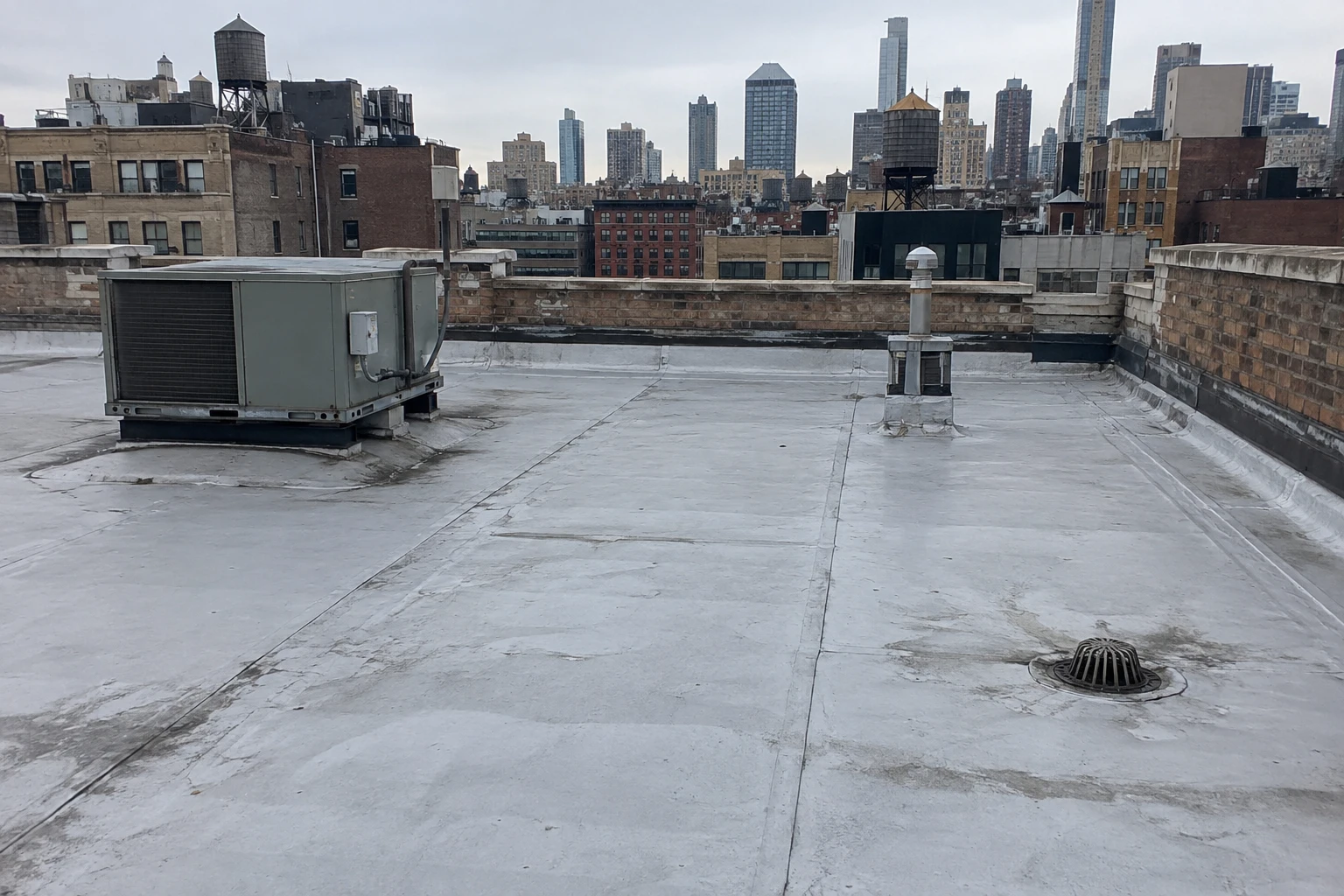
A new membrane over a dry existing roof can save time and disposal in Manhattan, NY. We test moisture and layers first to see if a recover is sound.
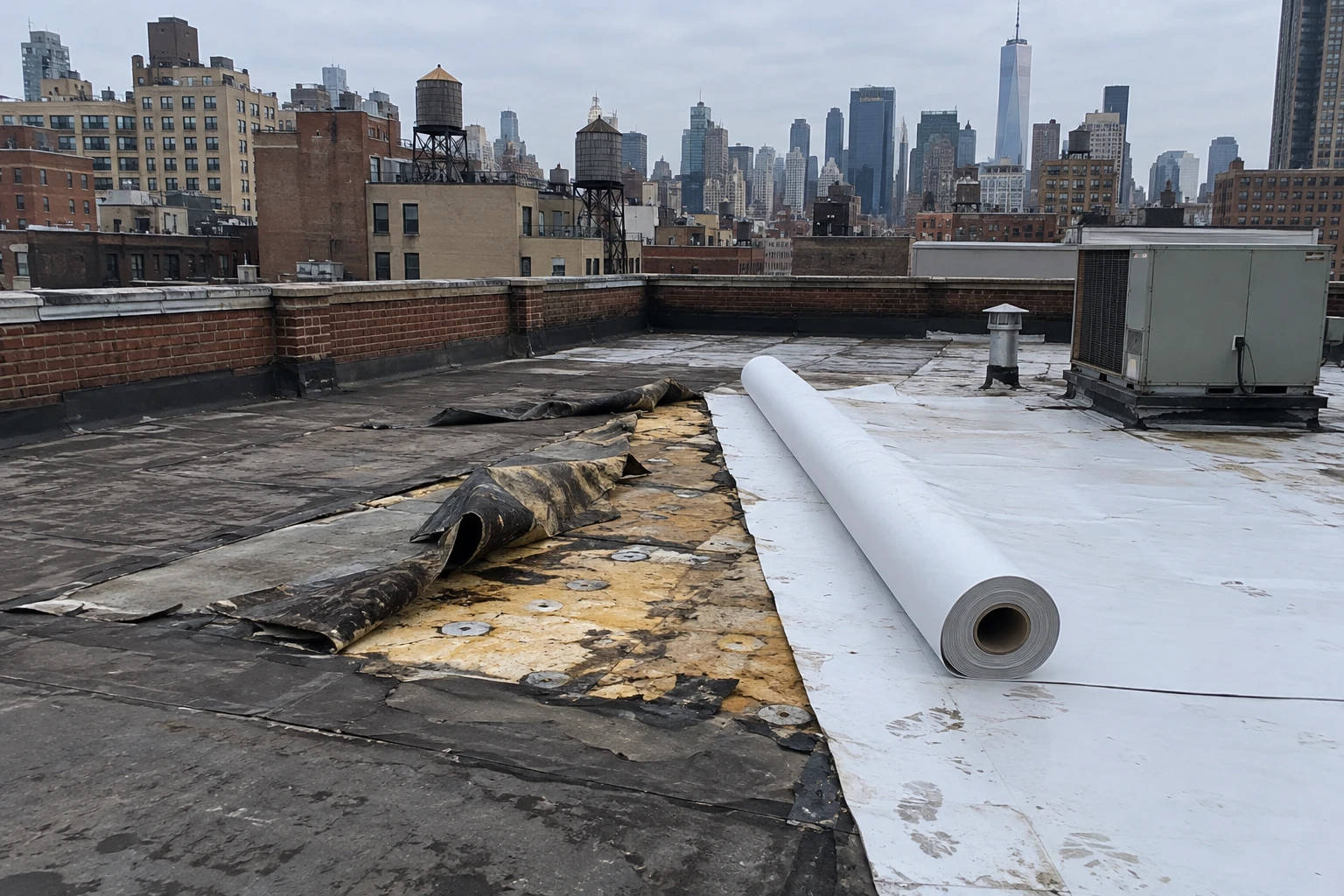
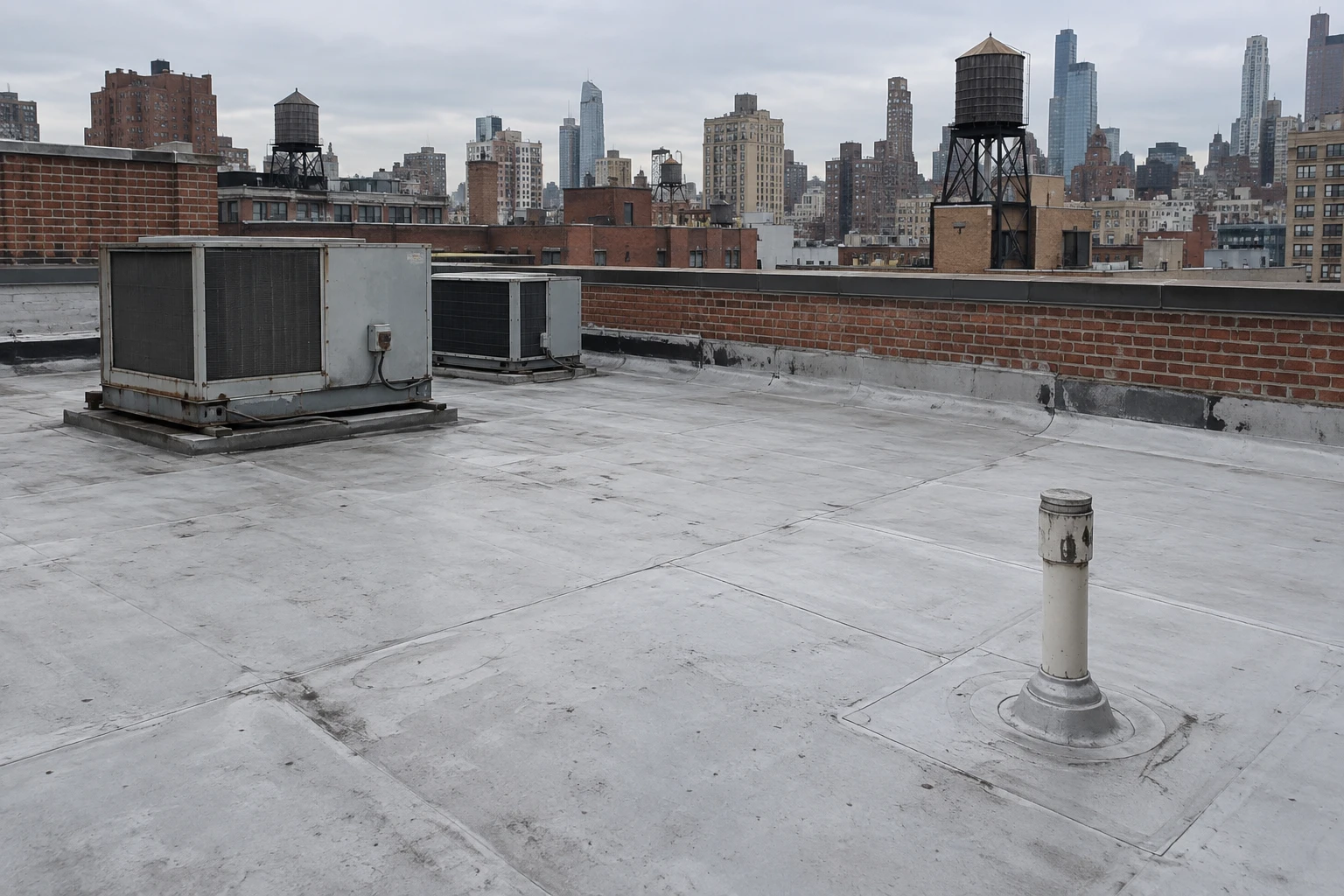
A second membrane laid over the first is a sound decision only if the first assembly is dry underneath. That single condition separates a recover that serves a building for another service cycle from one that traps water between two layers and fails early. In Manhattan the appeal is practical: less debris to haul down through a crowded street, fewer days with the deck open above tenants, and a lower disposal load. The survey comes first, and the findings are plain. Infrared imaging shows where moisture sits, core cuts show how many layers already exist and what condition the insulation is in, and the result is either a clear go for an overlay or a clear no. A recover is a scheduled decision made on evidence, and it should be priced next to a full commercial roof replacement so the owner can compare lifecycle cost and not only first cost.
What has to be true before a recover is sound?
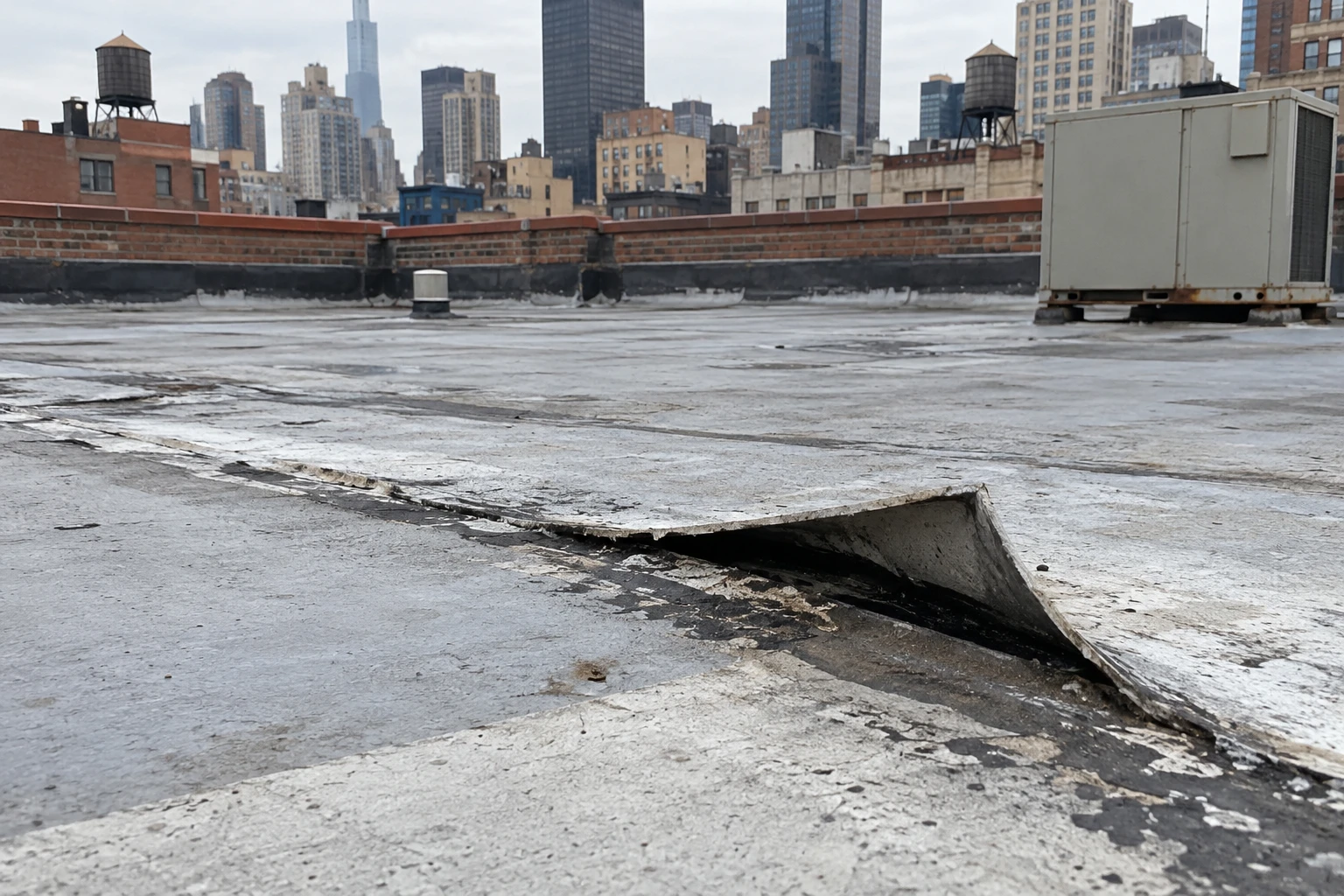
Four conditions have to hold. The existing insulation must be dry across the field, not only at the sampled spots. The existing membrane and its base must still be attached to the deck, because a new layer is only as stable as what carries it. The deck must show no corrosion or sagging that would worsen under added weight. And the number of layers already on the roof must be within what the code allows. Any single failure on that list moves the project toward a tear-off.
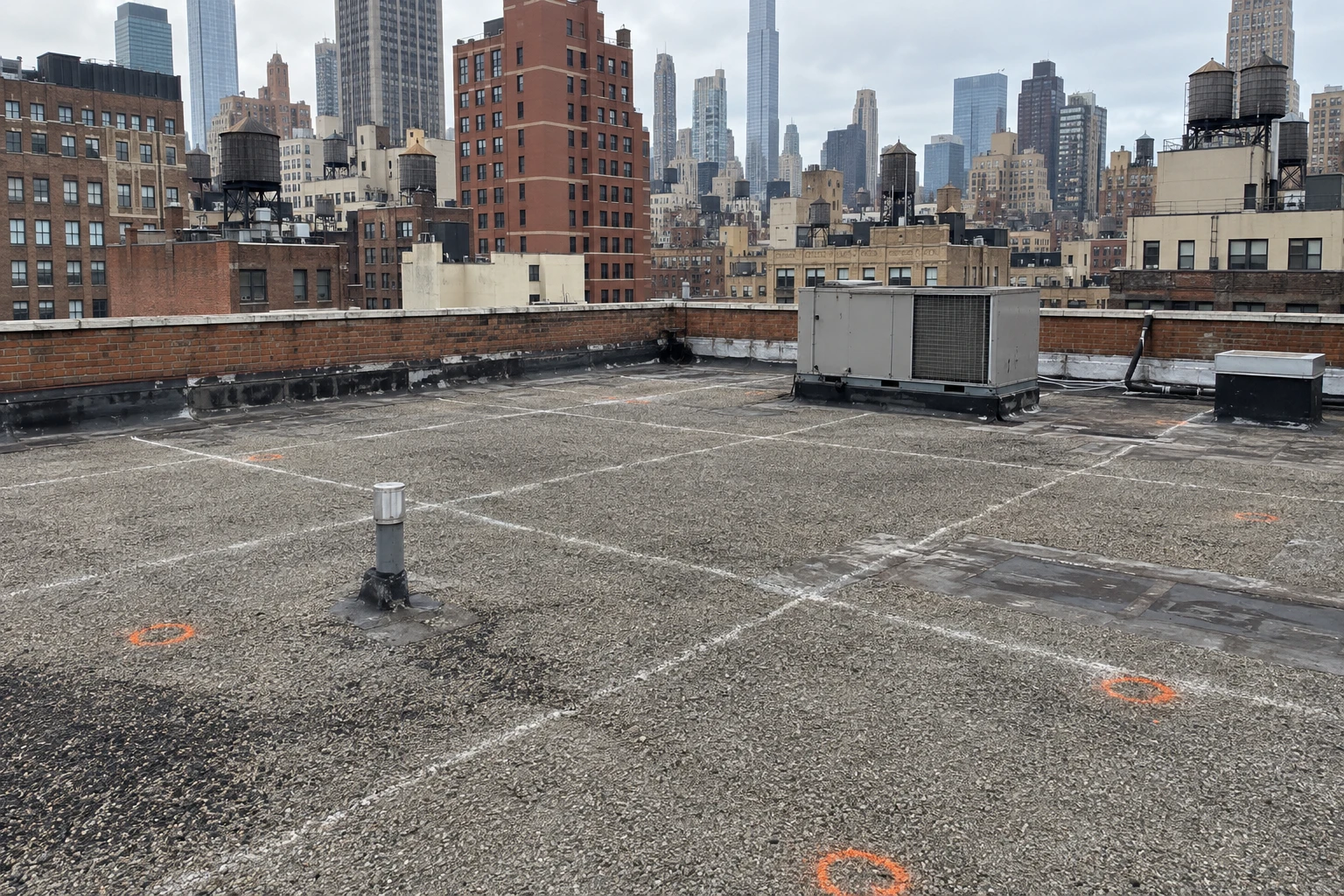
We check these with an infrared moisture survey followed by core cuts at the locations that look suspect and a few that look fine. Sampling the fine-looking areas is what keeps a recover honest, since moisture frequently hides under a surface that appears undamaged. The findings go on a plan with photographs, and the owner receives the map before anyone discusses a price.
How do the old loft and tenement buildings change the answer?
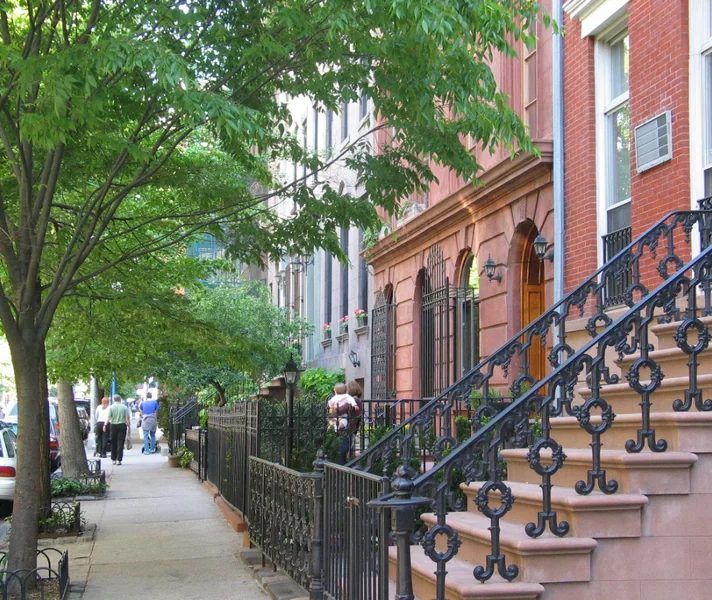
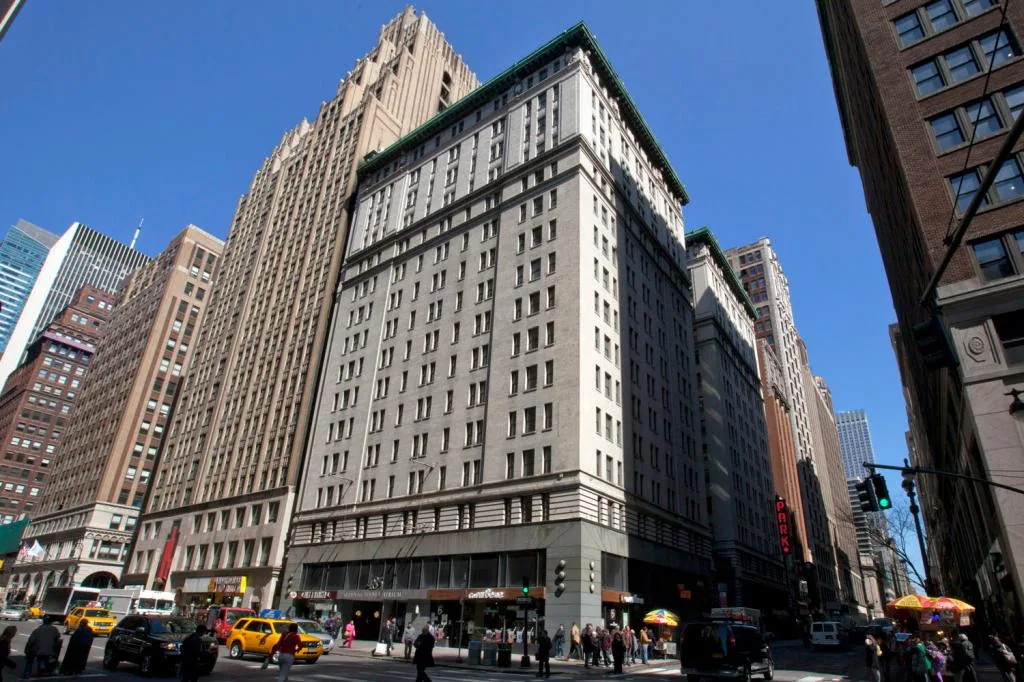
The older stock in this borough raises its own questions. Buildings in the Garment Center Historic District date to 1916, so their roofs may have received several generations of work. A building with a long repair history is more likely to carry multiple layers already, which can leave no room for another. Prewar tenement blocks on the Lower East Side, where the tenement stock dates back to 1833 at Corlears Hook and spread through the late nineteenth century, can have small roofs with a patchwork of materials from different decades.
The survey sorts those buildings individually. Some will take a recover cleanly, particularly where a past owner kept the drains clear and the flashings sound. Others carry too much weight and moisture already, and for them a recover would only postpone the decision. We say which group a roof belongs to in writing, so a board or a lender sees why the choice was made.
What goes between the old roof and the new membrane?
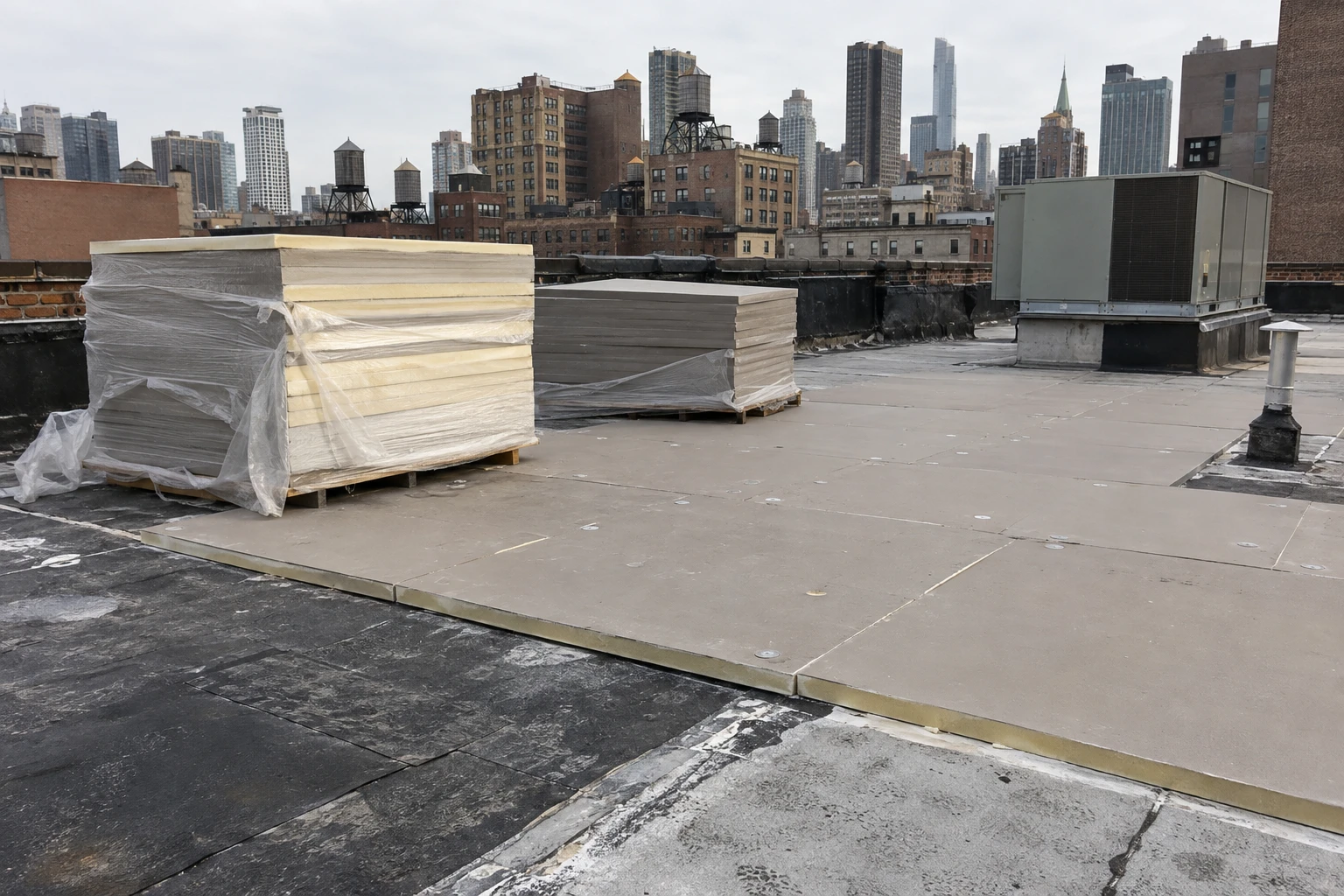
The layer between the two membranes decides how the system behaves. A cover board or a fresh layer of insulation separates the old surface from the new membrane, gives the new system a flat and uniform bed, and keeps old blisters, ridges and lap lines from telegraphing through. Without that separation, adhesives can react with an older bituminous surface and fasteners may not find a reliable bite in a weathered substrate.
Edges and penetrations need attention too. Raising the roof surface by one layer changes the height of base flashings at parapets, curbs and drains, so each one has to be rebuilt to the new height. The new membrane is often a PVC roofing system or another single-ply sheet chosen for compatibility with what lies beneath. Drain bodies are adjusted so water continues to flow into them, not around them.
Does a recover hold up to heavy rain?
Rain performance depends mostly on drainage, and an overlay does not change the slope or the number of drains. Hurricane Ida delivered 3.15 inches of rain in one hour on September 1, 2021, and the National Weather Service issued its first flash flood emergency for the city. Roofs that already ponded before such a storm will hold more water after it unless the survey includes a drainage review. A recover is a chance to correct this with tapered insulation or additional drains, where the structure and the plumbing code allow.
Across the Hudson, Hoboken saw Hurricane Sandy flood 1,700 homes and put seawater across half the city in 2012, and rooftop equipment on low buildings near the water raised its own wind and surge questions. We check the equipment supports, curbs and flashing heights during the survey, because water entering at a penetration defeats even a new membrane.
How long does a recover take, and what does it cost the building?
A recover is usually quicker than a tear-off because there is nothing to remove and nothing to dispose of, and the existing roof continues to protect the building while the new layers go on. That makes it useful for occupied buildings where tenant disruption is the main concern, such as a mixed-use building with ground-floor retail that cannot close for a week. Cost drivers are access, the depth of added insulation, the number of edges and penetrations that must be raised, and any additional drains or tapered work.
The comparison that matters is lifecycle cost. A recover over a roof with a few years of life left in its deck and flashings may give a solid return. A recover that covers wet insulation gives none, because the problem returns within a few seasons and the full tear-off is still waiting. We lay the two options side by side, with the assumptions listed, so the owner can see which one fits the capital plan. If the roof also has failed seams that should be corrected first, that is added to the scope.
Commercial Roofing Questions
How many layers can a roof carry before a recover is off the table?
The building code limits the number of roof layers, and the structure has to carry the added weight. The design professional confirms the count against the Existing Building Code, and the core cuts show what is actually on the deck. If the roof is at the limit, a tear-off is the only route.
Can a recover go over a roof with known leaks?
Only if the cause is understood. Active leaks usually mean wet insulation somewhere, and wet insulation under a new membrane is the most common reason a recover fails. We trace each leak, dry or remove the affected sections, and then cover. A leak that has not been traced should not be covered.
Does a recover affect a manufacturer warranty?
Manufacturers set their own conditions for installing over existing roofs, including moisture limits, cover board requirements and layer counts. We review those conditions for the chosen system before bids are compared, so the owner knows early whether the intended assembly can be warranted.
Which Manhattan buildings are the best candidates?
Buildings with a dry, well-attached existing roof and a clear drainage path do best, such as an office building in Midtown whose roof has been maintained on schedule. The opposite case is an older roof in the Garment District, where core cuts have to come before any decision.
What does the recover leave out that a tear-off would catch?
A recover leaves the old deck-level layers hidden, so any rot or rust below the old membrane stays unseen. Core cuts and a walk of the deck from below, where ceilings allow, reduce that risk. Where the deck cannot be confirmed sound across the roof, a tear-off exposes it and costs less than a failed overlay.