Commercial roof surveys, repair and replacement in Washington Heights, Manhattan, NY, for New Law tenements, medical center buildings and Audubon Park.
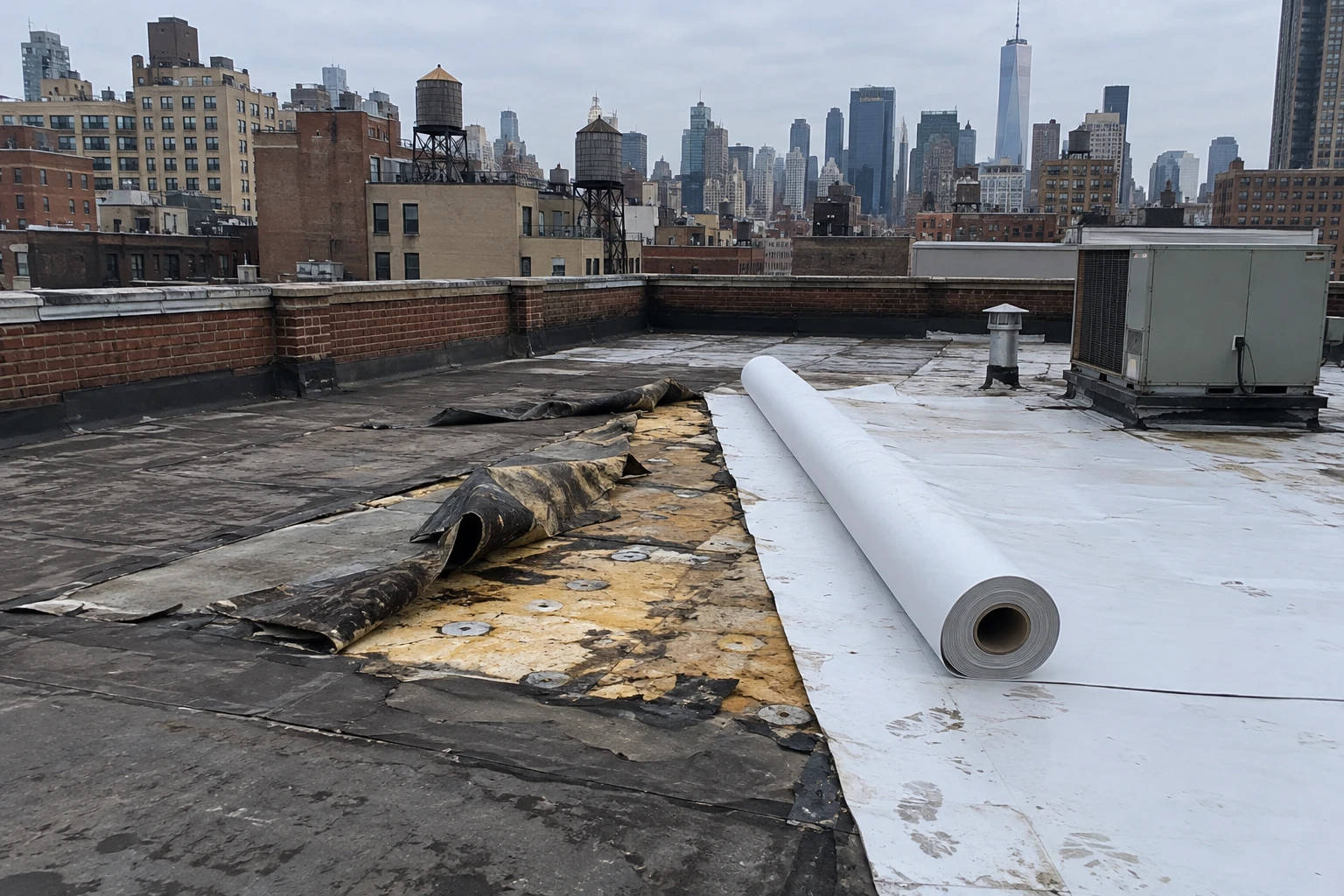
Counting layers comes before pricing anything. A core cut on a century-old walk-up roof can go through original felt, a hot-mopped sheet, a later recover and a fresh surface, and every layer adds weight and a place for water to sit. Washington Heights is full of buildings where that count is the first useful fact, because the district is dominated by prewar five and six story multifamily stock, with a major medical center among its few high-rise owners.
In Manhattan, NY, we survey, repair, recover and replace low-slope roofs here. The scope for a walk-up and for a hospital complex differs, but the method is the same: measure the roof, rate it, price the options and leave a record that the next manager can read.
What defines a New Law tenement roof?
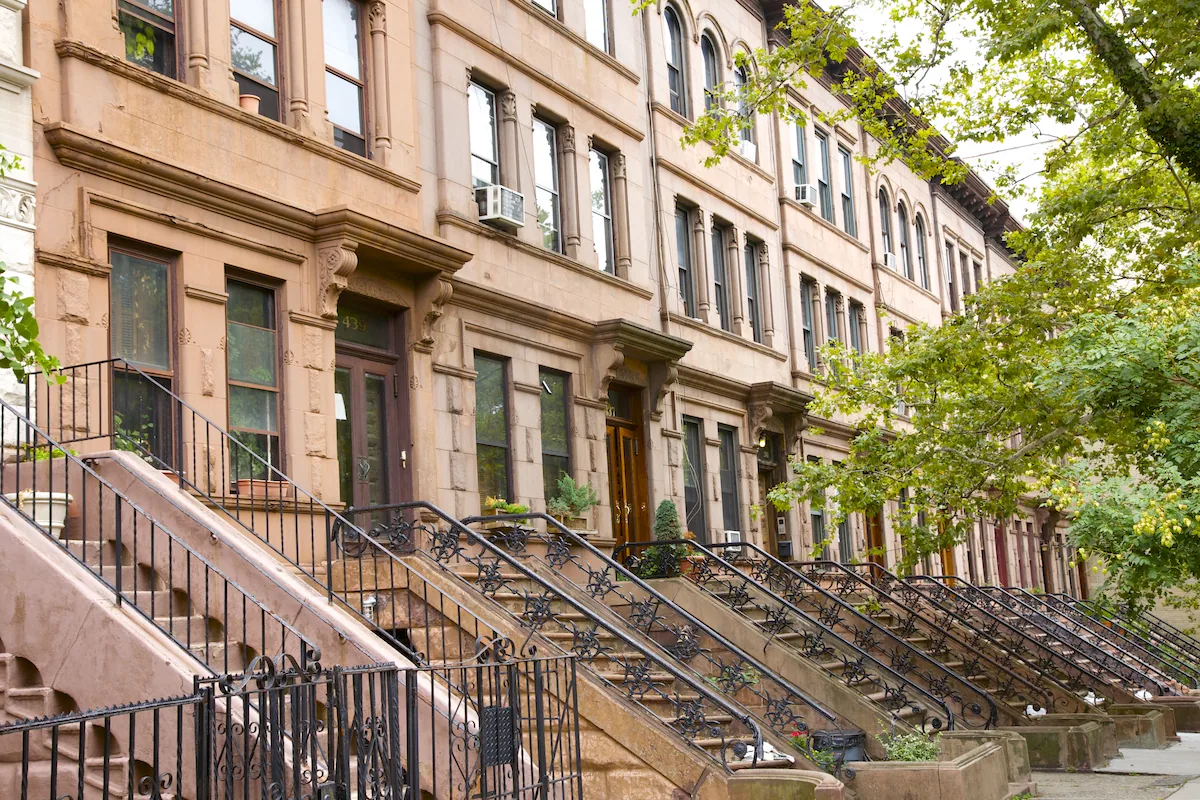
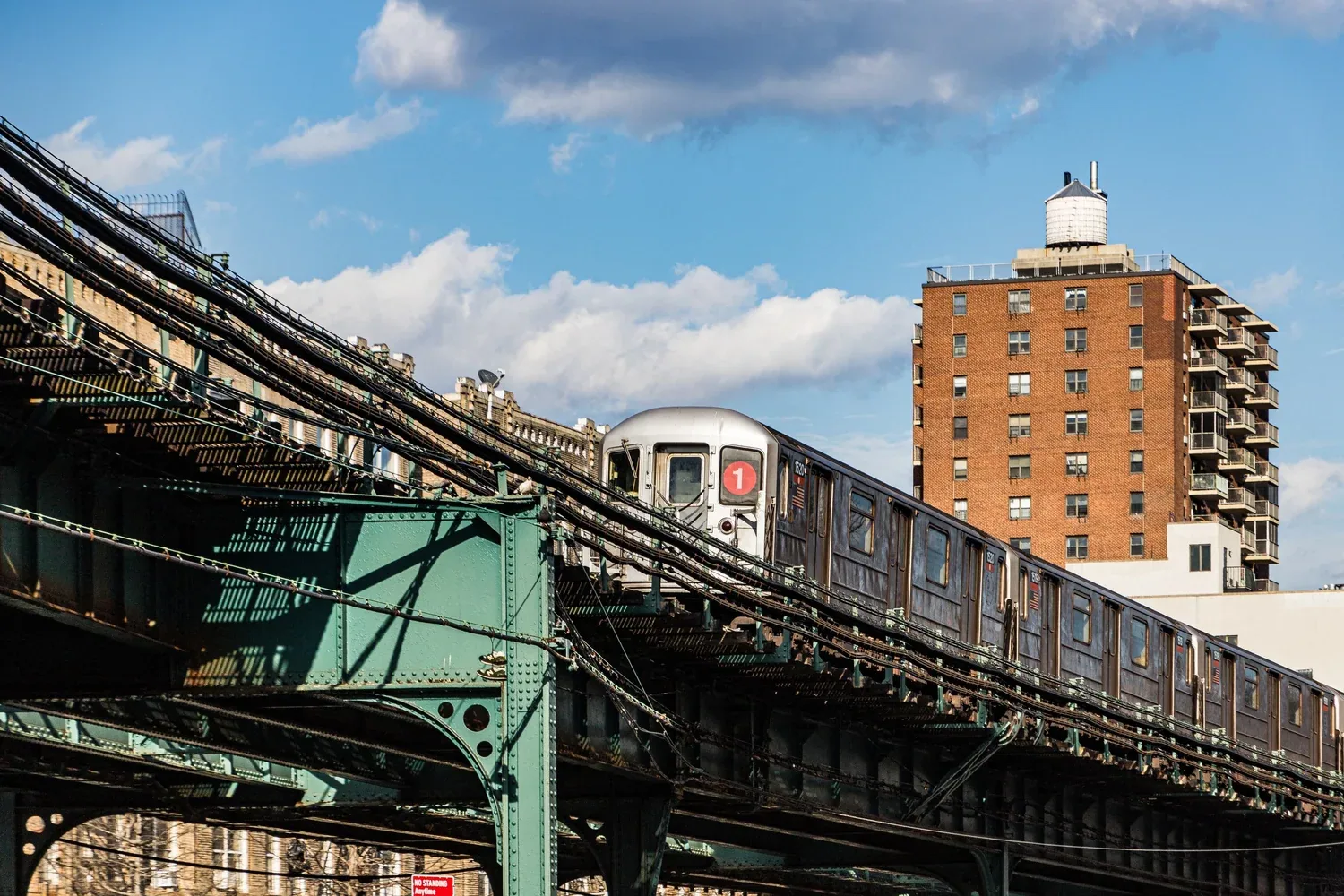
Most of the prewar housing is New Law Tenement stock, five and six stories tall, built in the boom before World War I, and nearly all of it still stands. The type has a flat roof, a stair bulkhead, a front and rear parapet and often a light shaft or courtyard notch. Low-slope flat roofs on multifamily buildings are a large share of the work across the upper part of the island, and these are among the clearest examples.
Age matters less than layers. A building that has stood for a century may have had its roof redone several times, and each recover adds weight and thickness. We cut cores to count layers and test for moisture, then check the flashing at the bulkhead and the shaft. When the old assembly is wet, a patch only postpones the bigger bill, and replacement down to the deck becomes the sensible route for the budget. A dry assembly may accept a coating or a recover instead.
The stair bulkhead deserves its own look. Its walls meet the main roof on every side, the door threshold sits close to the membrane, and the roof over the bulkhead is a small separate roof with its own drain or none at all. Many leaks that appear in the top-floor hallway start there.
How does a medical center's roof program differ from a walk-up's?
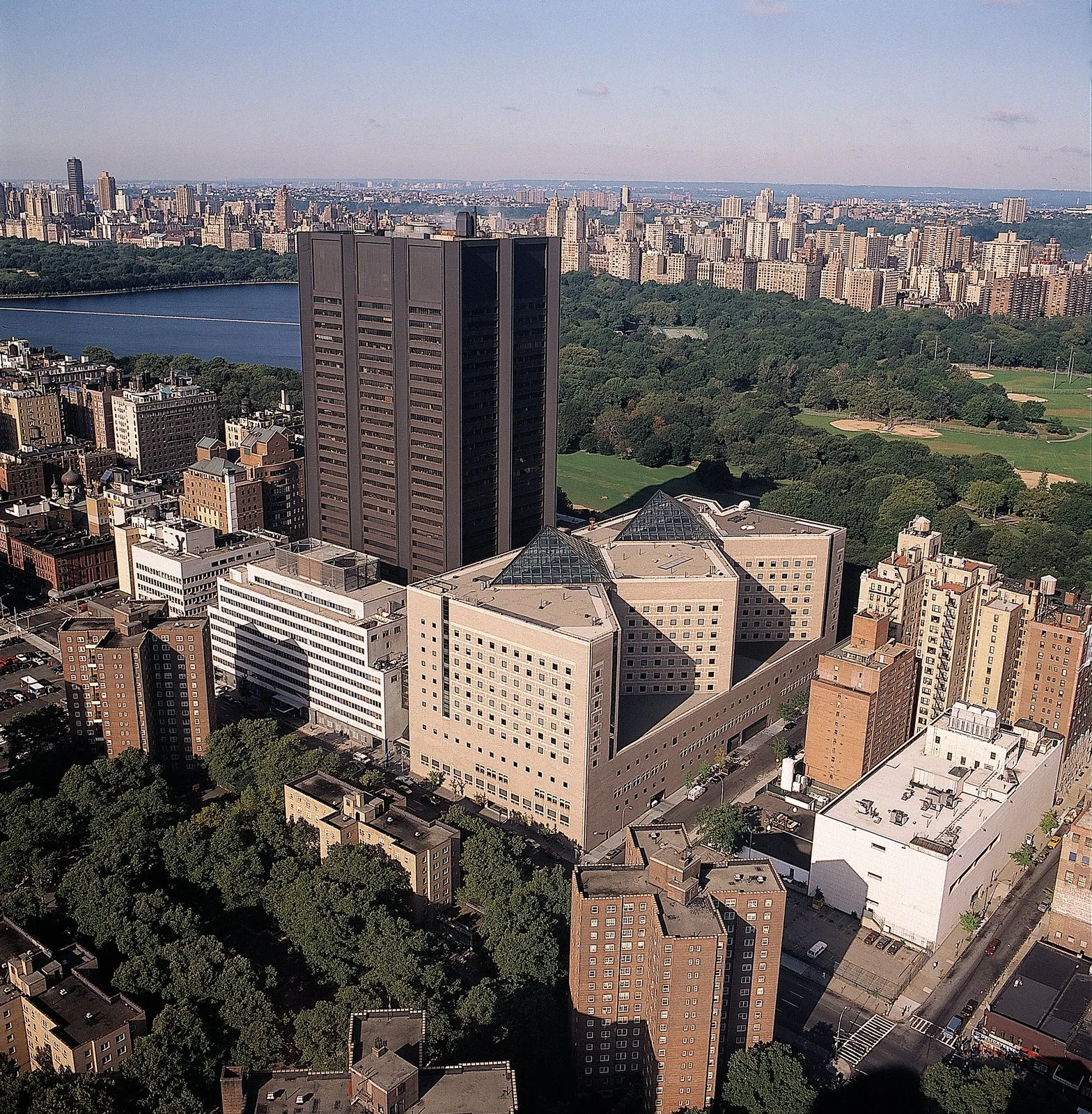
The NewYork-Presbyterian/Columbia University Medical Center complex owns the majority of Washington Heights' few high-rise buildings. A hospital complex has many roofs at many heights, with air-handling equipment, exhaust, generators and communication gear on them. The cost of a leak is measured in clinical disruption, not just repair, so the roof program is planned for continuity.
We catalogue each roof area, rate it and number every curb and penetration. Work is scheduled around air intakes and operating areas, and hot work is controlled. Infection control and access rules shape the sequence. Our approach to hospital roofing uses staged zones, so the facility never loses more than one area at a time, and the record gives engineers and administrators the same page of facts.
Rooftop generators and communication equipment add their own constraints. Fuel lines, exhaust and antenna mounts cross the membrane at many points, and the survey records each so a repair never has to guess what lies beneath a pad.
What changes inside the Audubon Park Historic District?
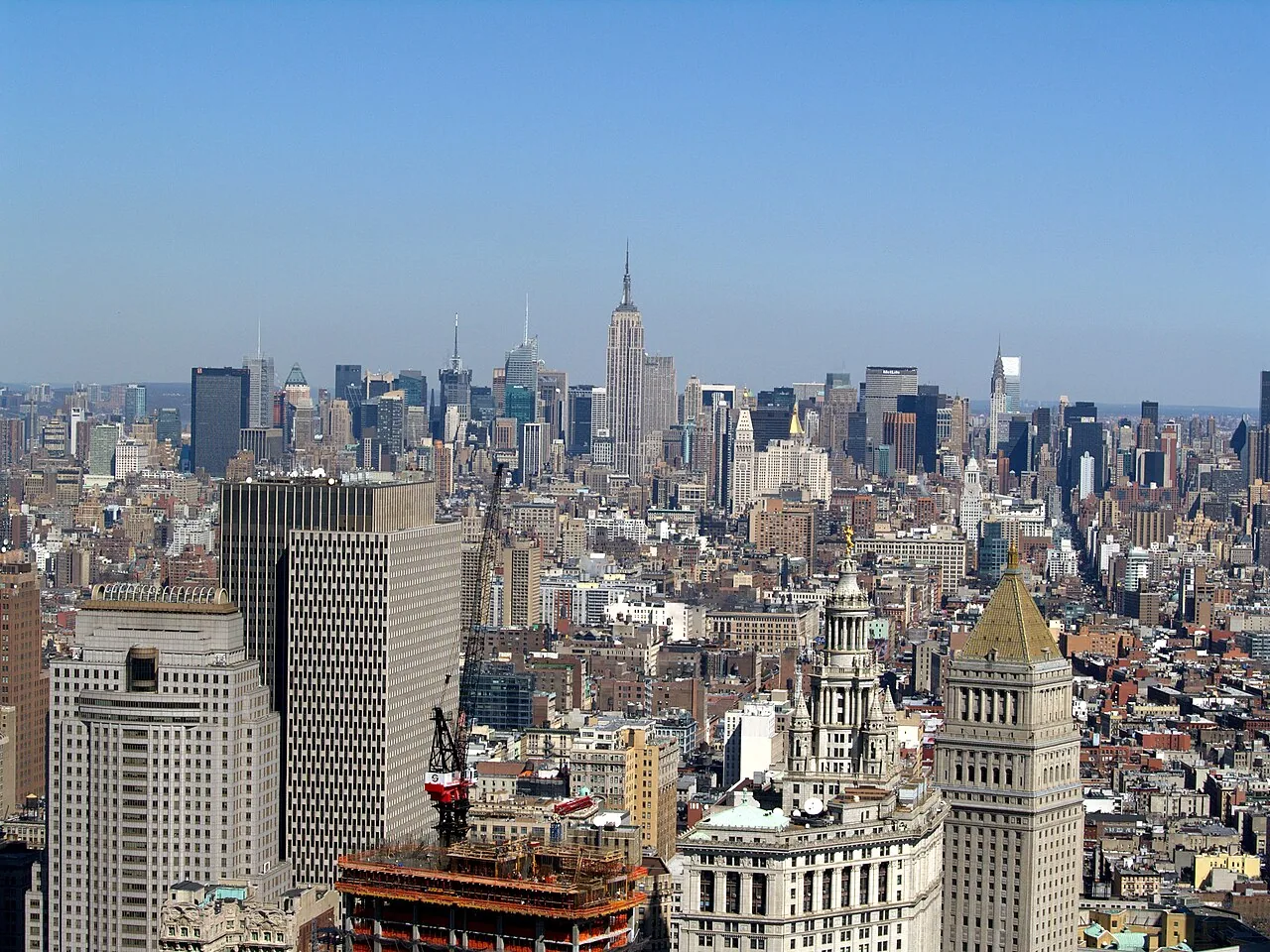
The Audubon Park Historic District contains most of the neighborhood's few buildings above six stories. The 14 story 555 Edgecombe Avenue was built in 1914, and the 22 story Radio Tower and Hotel opened in July 2022. Taller buildings face higher wind exposure, longer parapet runs and harder access, and an older tall building brings the question of what has been added to its roof since it was built.
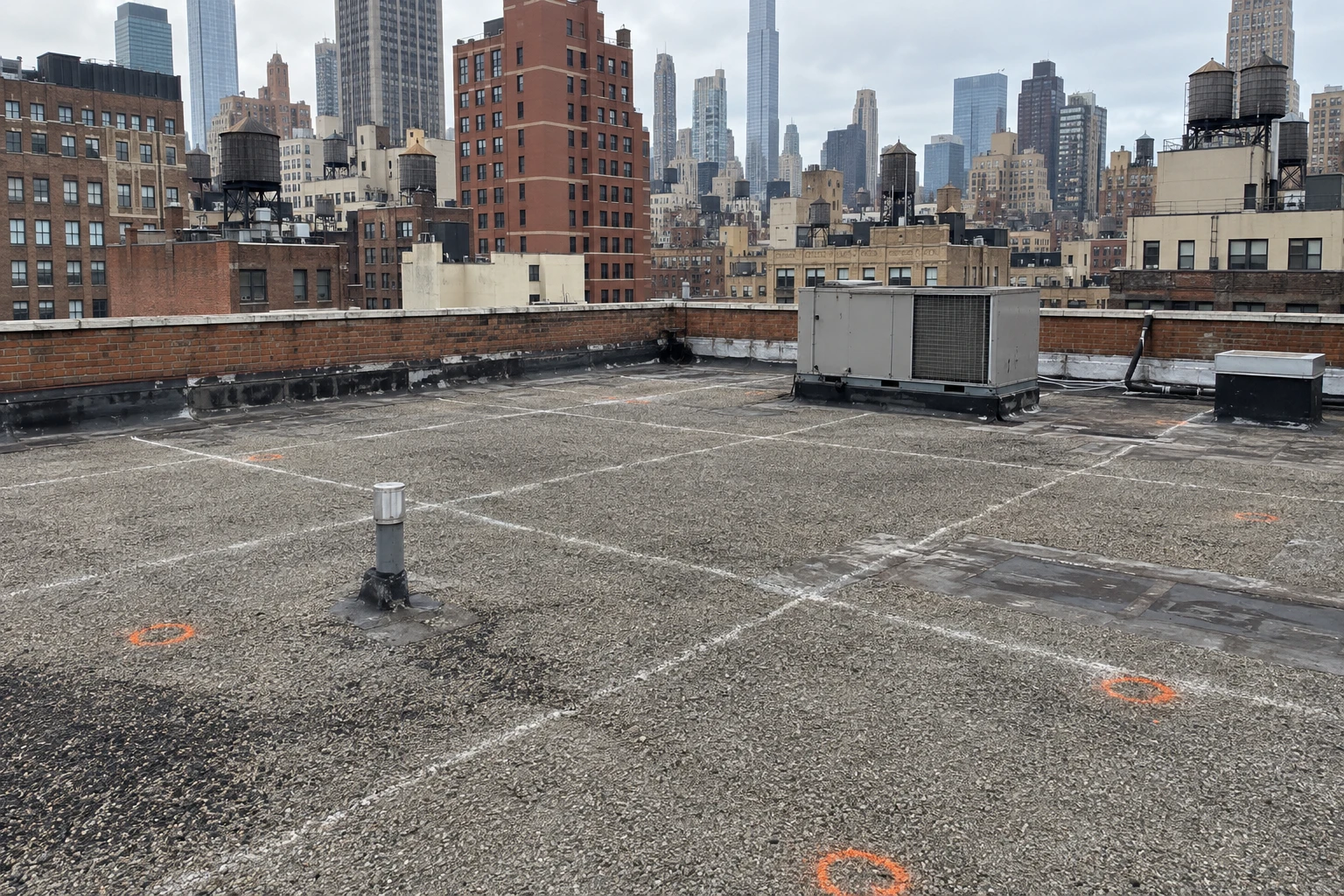
Historic district status adds review for visible changes. We photograph parapets and cornices, record the existing profile and confirm whether proposed work is visible from the street. A newer tower, by contrast, raises baseline questions: a recently completed roof benefits from a survey in its first years, before small defects grow. An infrared moisture survey gives either building a measured starting point.
For a tall older building, the question after wind is access. Rope or swing-stage work, hoisting and edge protection need planning, and the cost of that planning belongs in the owner's budget from the start.
Which weather events matter to Washington Heights roofs?
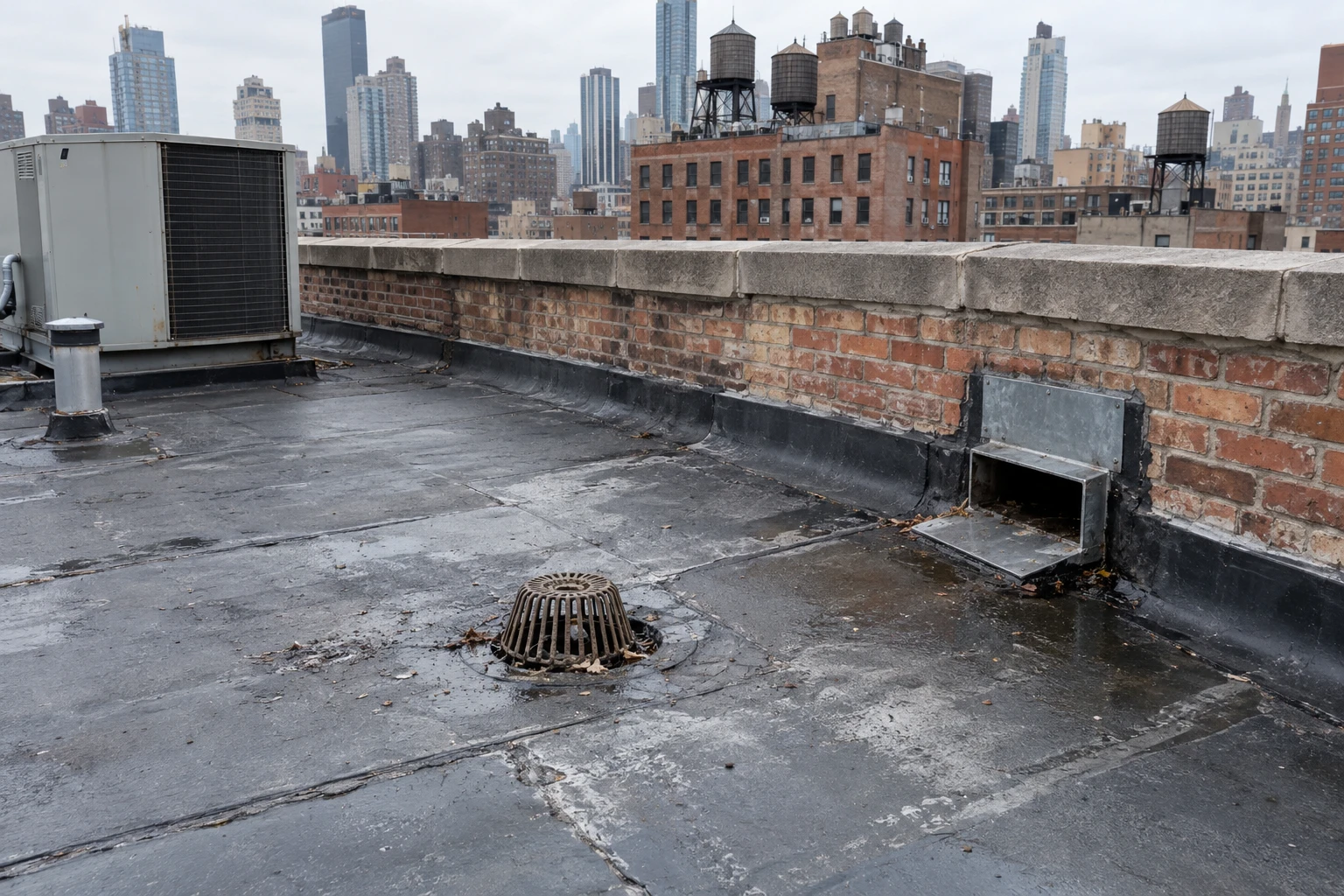
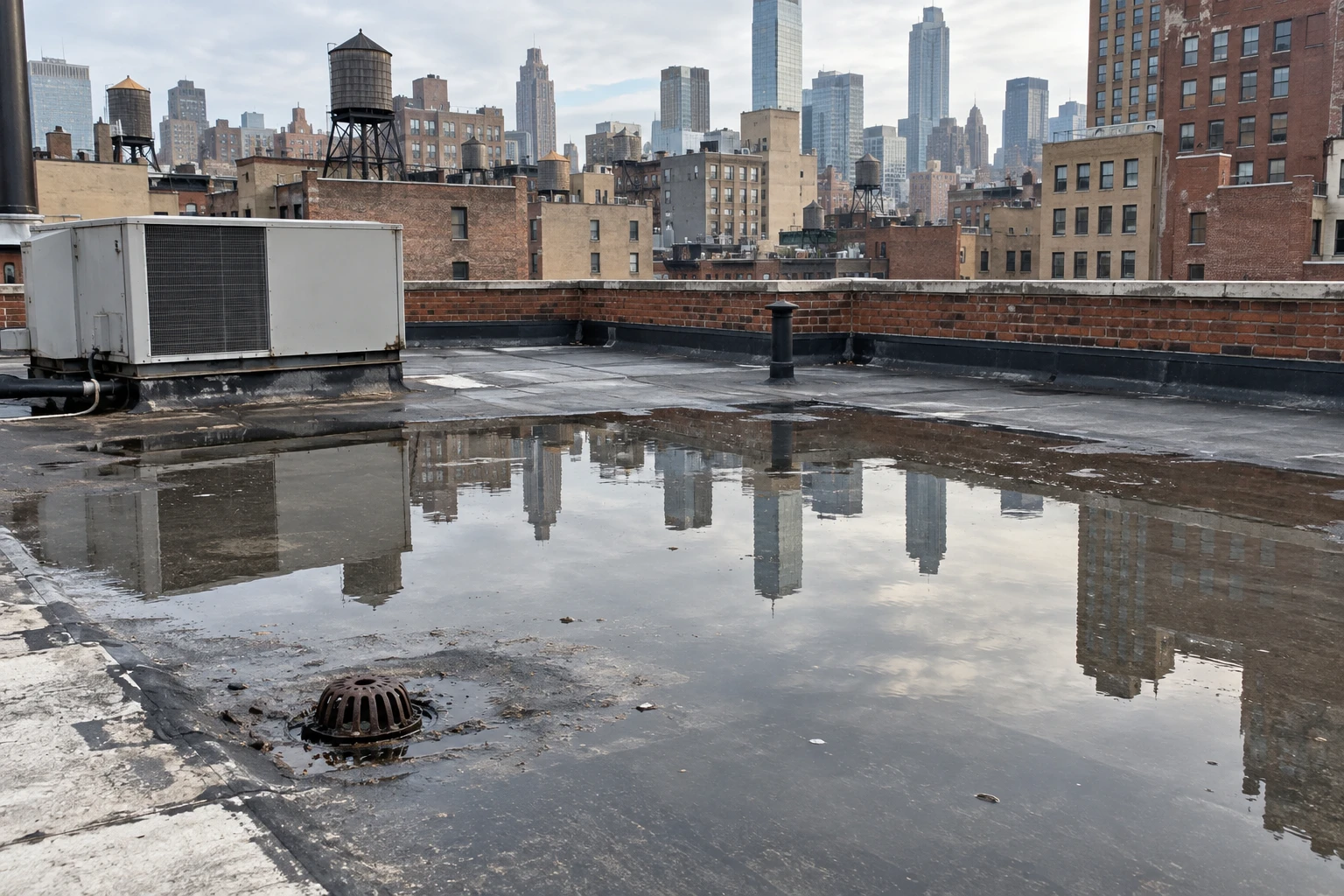
On September 1, 2021 Ida delivered 3.15 inches in an hour, prompting the Weather Service's first flash flood emergency for the city. A roof drain system that cannot keep up sends water over parapets and through weak flashings. We flow-test the drains and look at scuppers and overflow outlets as a pair.
Winter adds snow, with Central Park averaging 29.8 inches a year and recording minus 15 F once, and wind has a record gust of 78 mph there. We look for lifted edge metal and loose flashing after a windstorm, because wind damage is cheapest to fix before the next storm.
Heat belongs in the same review. Central Park has recorded 106 F, and sun on a dark surface opens laps and softens sealants, so we note those conditions by exposure.
How do owners choose between repair, recover and replacement?
Dry insulation and local failures call for repair. A sound deck with dry insulation may accept a recover or a coating. Wet insulation or a failed deck calls for removal. The survey's job is to decide which of those applies, and the price follows. On a walk-up, access drives cost most, since material goes up a stair or by hoist and a steep street adds permit and lead time.
A full replacement brings the city's 2019 roof rules into play, with solar, a green roof or both over the required zone. The structure has to carry the added load, which may add engineering to the budget. Tracking ponding through a season shows whether the roof is settling or only draining slowly.
Timing follows weather and permits. Membrane work needs dry, moderate days, so the schedule leaves room for delays, and notice goes to residents before the loudest stages.
What goes in the owner's file?
The file holds the rating, the moisture scan, the core log, drain inventory, permit history and warranty. An owner with buildings in Inwood or Harlem can set those roofs against the same scale.
Numbered-plan photographs let a manager who has never stood on the roof locate the curb or drain being discussed.
Commercial Roofing Questions
How many roof layers can an old New Law tenement carry?
The structure and the code decide. A core log shows what is already there, and an engineer confirms what the deck and walls can bear. If another layer would exceed that, the answer is tear-off.
What does a hospital complex need documented about each roof?
Each roof area needs a rating, a curb inventory, a drain map and a record of equipment served. With that, facilities can plan repairs without shutting down systems.
Why are tall buildings checked at the edge first?
Wind uplift concentrates at edges and corners, and the higher the building, the stronger the effect. Coping attachment and edge flashing get the first look.
What should an owner expect from a survey of a recently built tower?
A baseline: drains, penetrations, seams and flashings documented early, with an infrared reading if the roof is in service. Small defects are caught while they are cheap to fix.
What decides whether a walk-up roof gets a coating instead of replacement?
A coating suits a roof whose insulation is dry and whose deck is sound, because it protects the surface and adds years. If the scan shows trapped water, the coating would seal that water in, so the wet layers come out first.