Commercial roof surveys, repair and replacement in Harlem, Manhattan, NY, for townhouse rows, 125th Street buildings, historic districts and Manhattanville.
The condition rating that matters most in Harlem is often the one nobody has written down. A row of townhouses can share a wall, a cornice line and a leak, and the repair that one owner makes today decides what the neighbor sees next winter. Harlem had 179,000 housing units available by 1999, and the district is still a dense mix of low-rise housing, institutional buildings and commercial blocks, where roof decisions affect a lot of people at once.
In Manhattan, NY, we survey, repair and replace low-slope commercial and multifamily roofs in Harlem. A first visit gives the owner a clear rating, a list of what to fix and a plain statement of what each option will do to the building's budget and its service life. The work on a Harlem roof starts with the evidence, then moves to the schedule, because many of these buildings are occupied and have little room for a surprise.
Drone and infrared tools shorten that first visit on taller buildings, and a hands-on walk confirms what the images suggest.
What do rows of townhouses ask of a roof program?
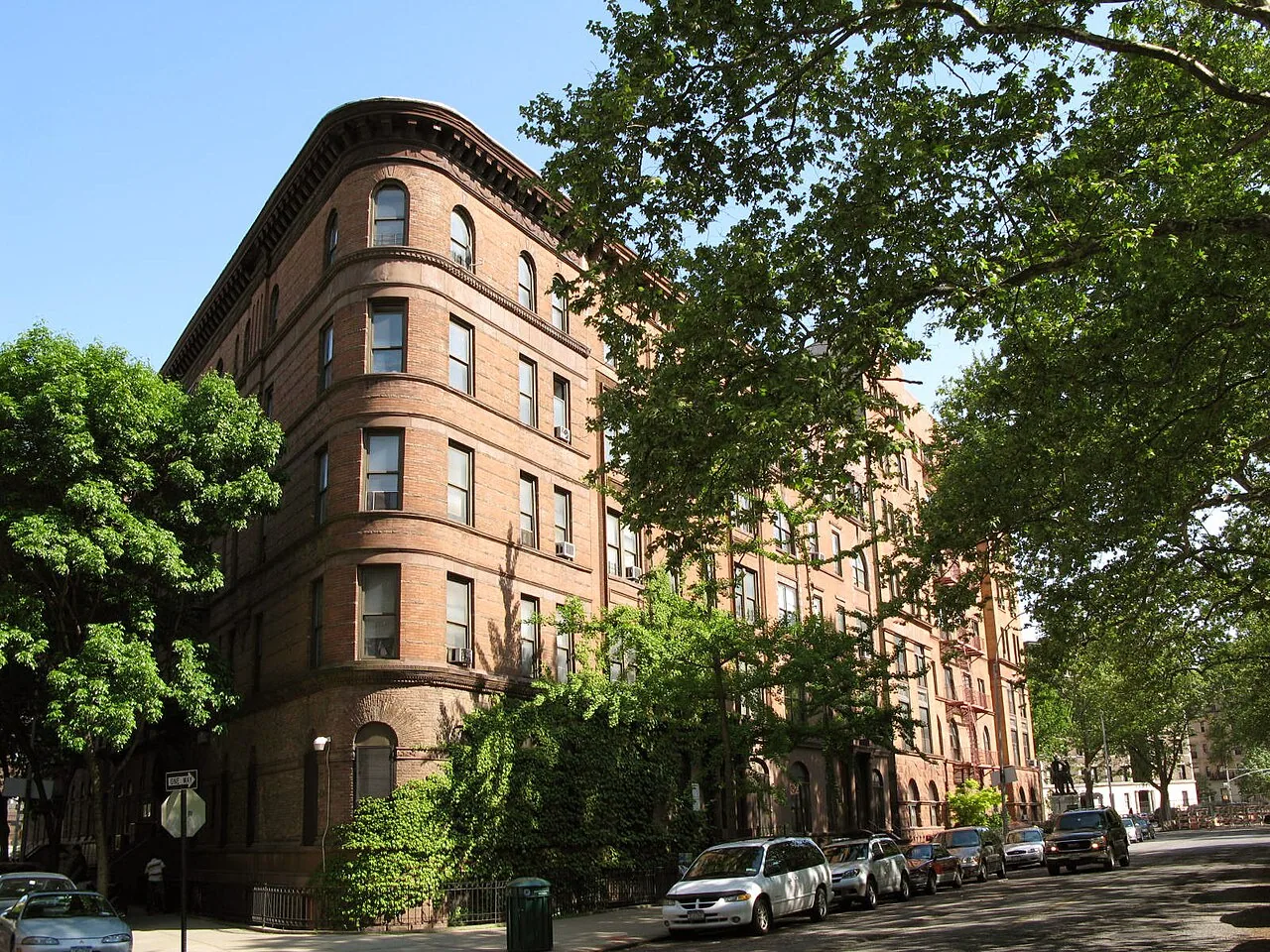
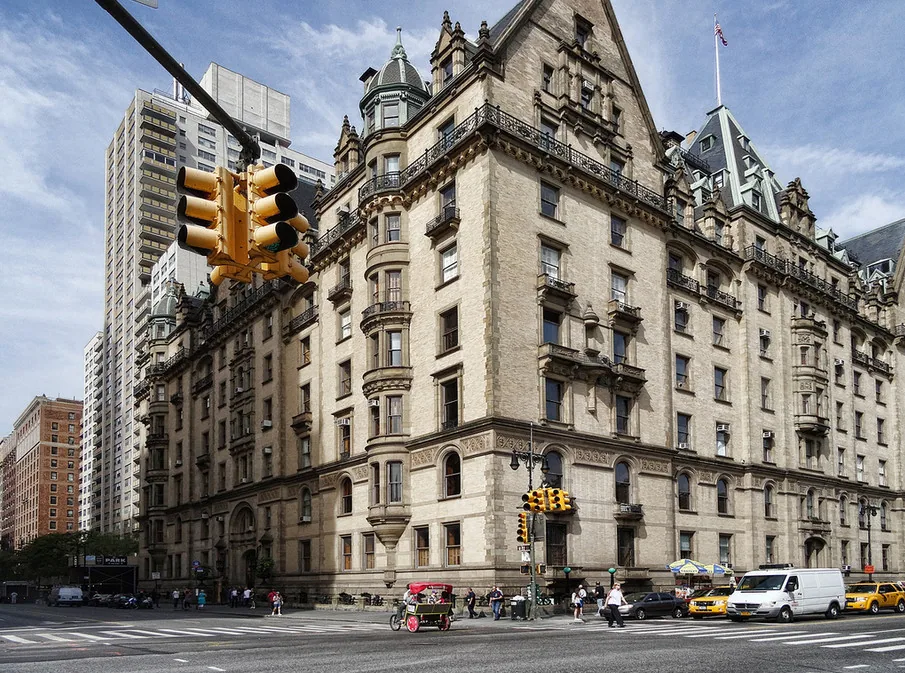
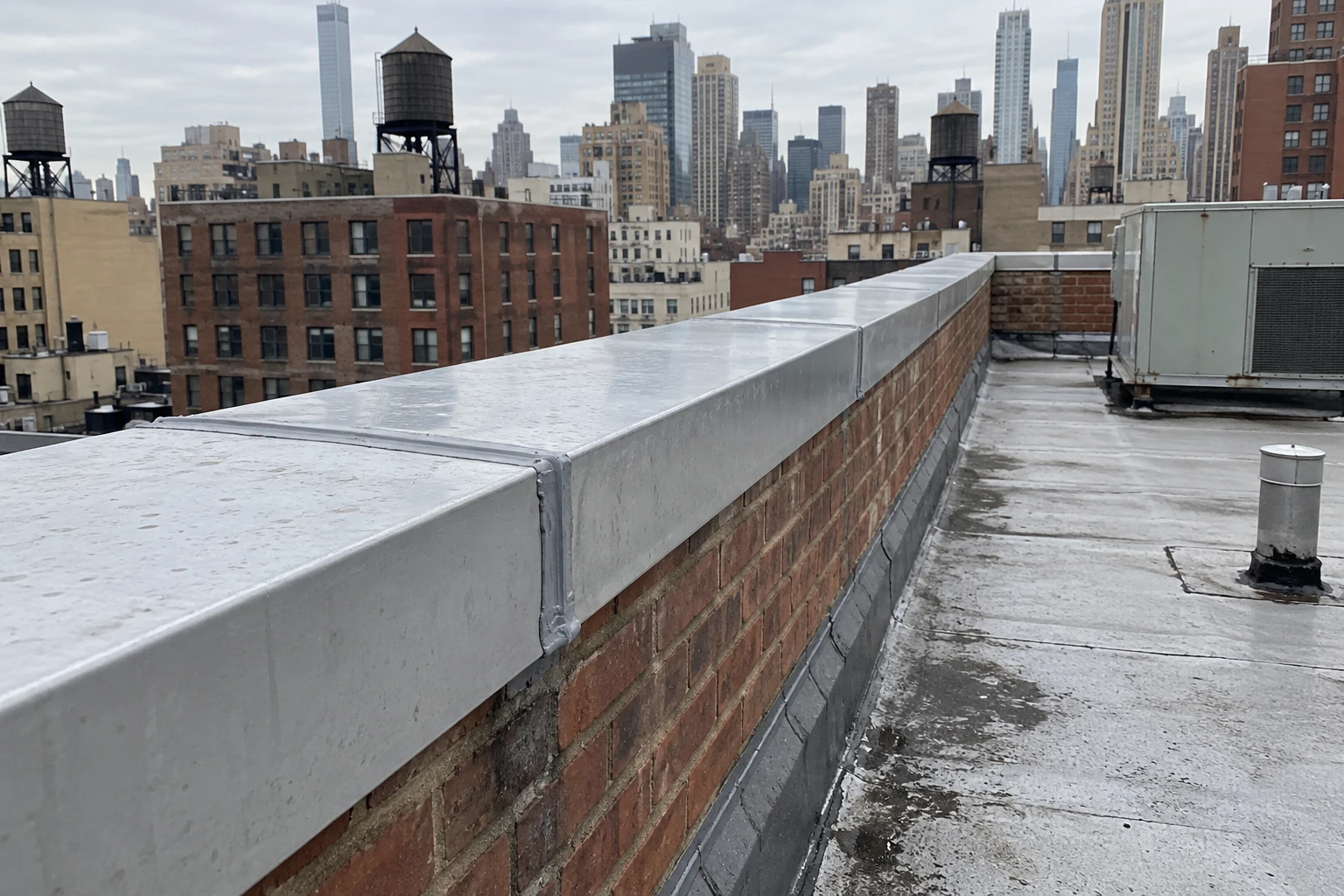
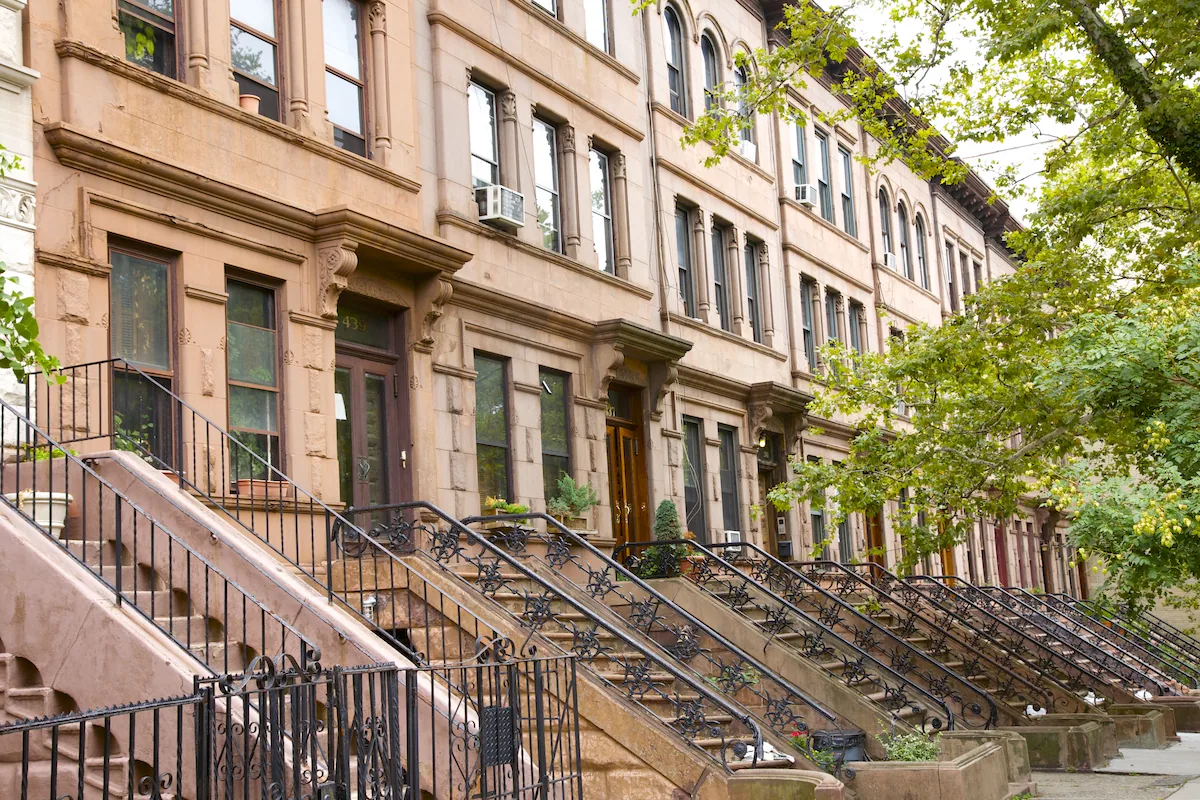
Harlem has many townhouses, notably in the Mount Morris Historic District, and the rows share party walls and cornice lines. A roof on one townhouse meets the wall of the next at a junction that belongs to both. Water at that line can travel sideways into a neighbor's plaster, so the survey pays close attention to the flashing at party walls and to the rear and front parapets.
We check the flashing height, the counterflashing and the sealant, and we cut a core to see what the roof is made of. If a building has been converted to apartments, rooftop additions and stair bulkheads add penetrations. For an owner with several rows, a multifamily roof program sets a schedule so the oldest roofs are repaired first and the work moves down the row.
Skylights over stairwells are another townhouse detail we check. The curb is small, the glazing frame is old, and the sealant has usually been renewed more than once. A hose test run in stages, starting at the low side, shows whether the water enters at the frame, the curb or the roof beside it.
How do Harlem's historic districts affect roof choices?
Five named historic districts cover parts of Harlem, Mount Morris Park and St. Nicholas among them. A building within one is subject to review for exterior changes, which can reach parapets, cornices and visible rooftop equipment. Whether a given repair needs review depends on what the work touches and whether it can be seen from the street.
Our first step is to photograph the existing roof edge and cornice and record the materials. Cornices on older buildings are often sheet metal or masonry, and a leak behind one can damage a wall for years. When a cornice needs repair, the aim is to match the profile and fix the flashing beneath. Because edge metal and gutters are usually the most visible roof element, their review is the most common point of delay.
Rooftop equipment draws the next question. A new condenser, a vent stack or a solar array set back from the front may escape review; one placed near the street edge may not. We locate equipment on the roof plan with the sight lines in mind.
What changes on the 125th Street commercial corridor?
The Apollo Theater opened on 125th Street on January 26, 1934, and the Hotel Theresa sits at the corner of 125th Street and Adam Clayton Powell Jr. Boulevard. A commercial corridor of this kind has stores, offices, restaurants and entertainment buildings stacked along the same street, and each puts different demands on its roof. Retail and restaurant tenants add exhaust and rooftop units. Entertainment and hospitality buildings add large mechanical systems and schedules that cannot be disrupted.
Roofs over occupied commercial space are planned in zones. We keep intakes clear, set noise limits with the tenant and phase the work so the shop or theater below can keep its hours. For roofs that serve tenants of different kinds, occupied building reroofing is planned around the most sensitive tenant first, then the rest.
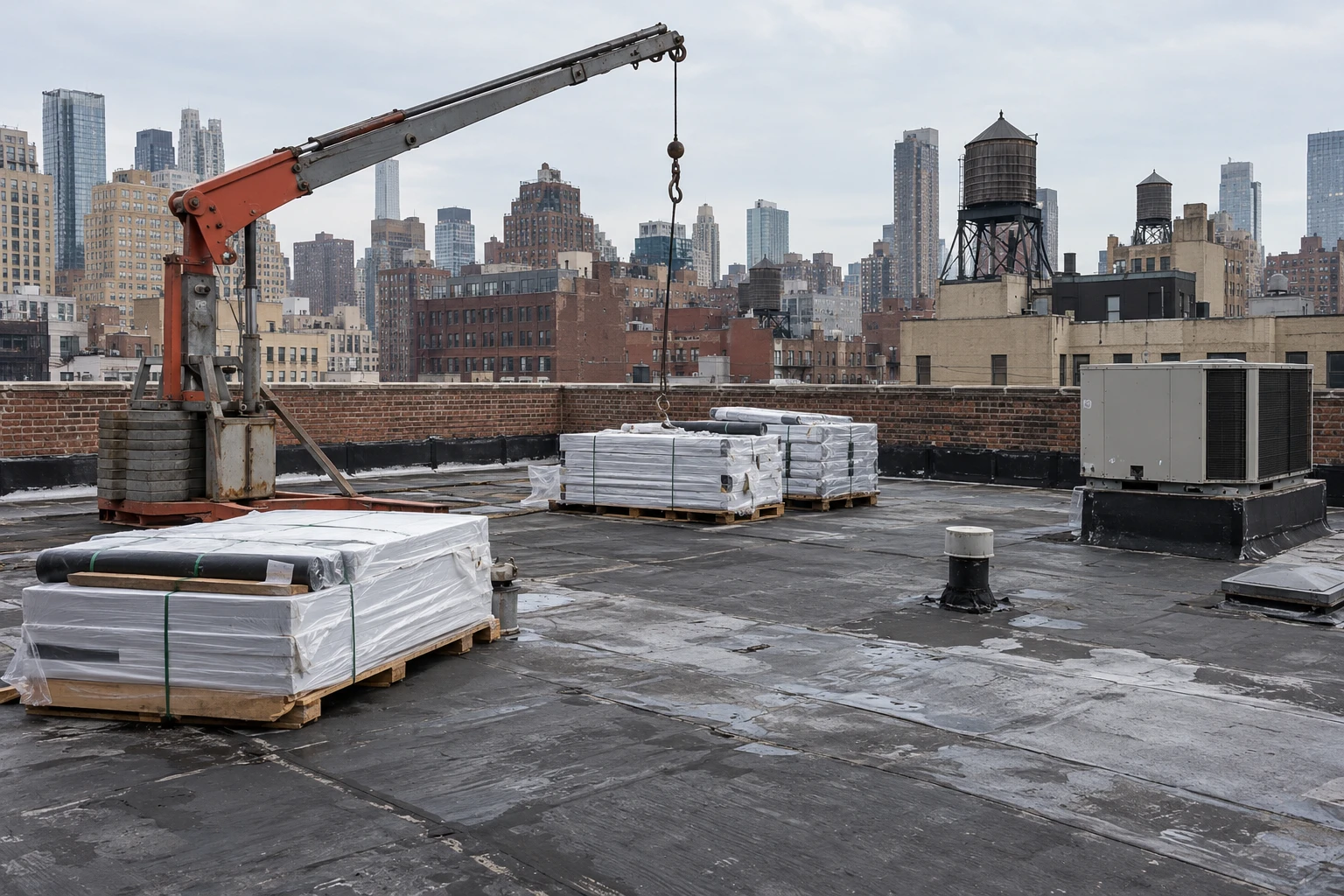
Delivery is a practical limit on a busy street. Material staging, crane time and sidewalk protection all need approvals, and the schedule counts them before a start date is set.
What does West Harlem near Columbia add?
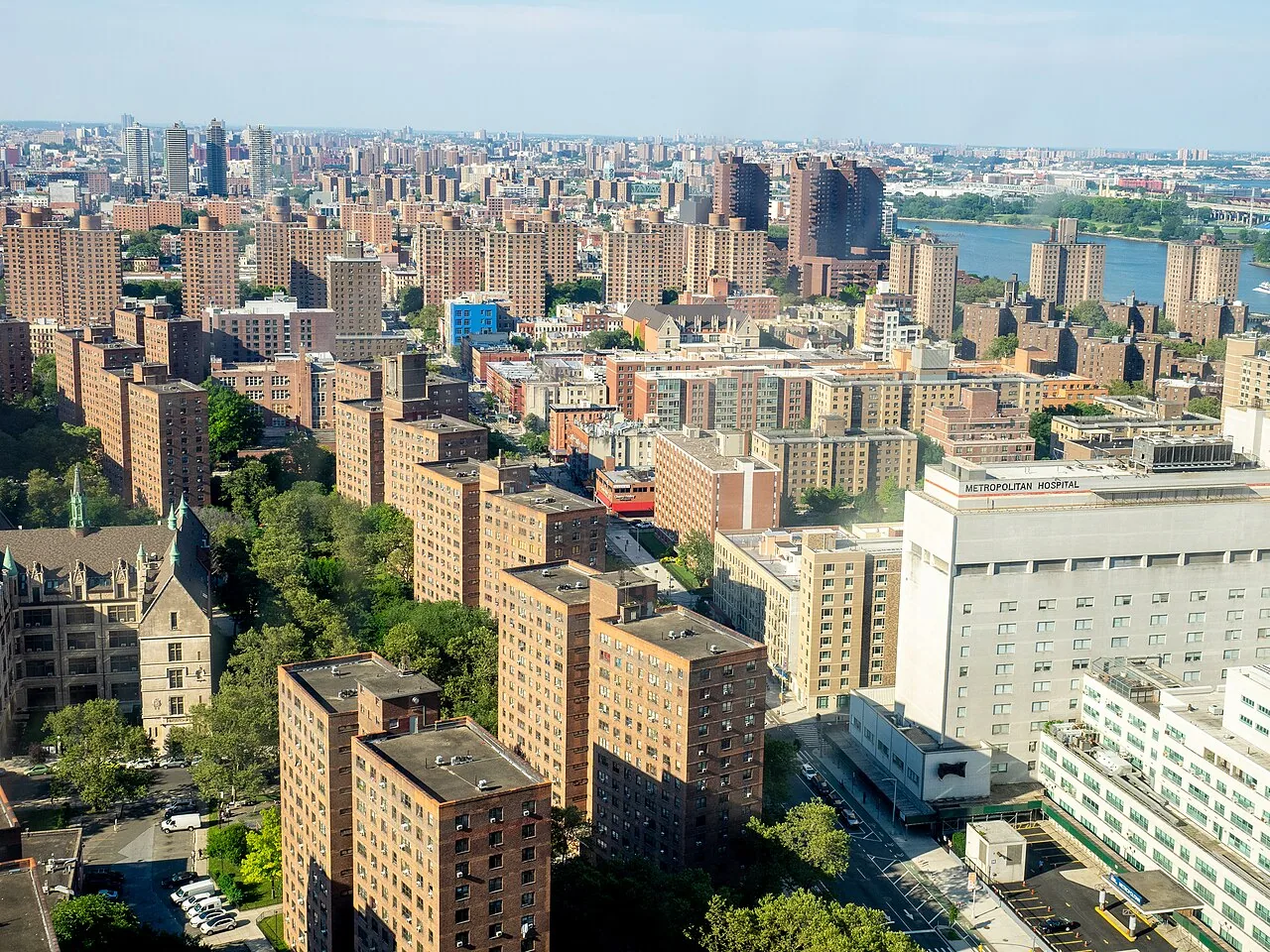
Manhattanville begins at roughly 123rd Street and extends north to 135th Street in West Harlem, near Columbia University. The area mixes older low-rise buildings with institutional and academic space, so roofs range from small walk-up roofs to larger flat roofs over laboratories or offices. We do not assume which is which. A scan and a few cores settle it.
For institutional owners, the useful product is a roof capital plan, which lists every roof, its rating and its likely service life so a facilities department can budget from the findings. Laboratories and teaching space put limits on vibration, noise and odor, and the schedule must respect them. Equipment curbs also need their own inventory, because heavy rooftop systems rest on them.
Which storms and temperatures set the pressure on Harlem roofs?
Ida's rain on September 1, 2021 set an hourly record of 3.15 inches and left 7.13 inches in Central Park. The park's snow averages 29.8 inches a year, and its record fall, 27.3 inches, came on January 23, 2016. Drains, scuppers and leaders carry that water, and a clogged outlet turns a flat roof into a shallow pool.
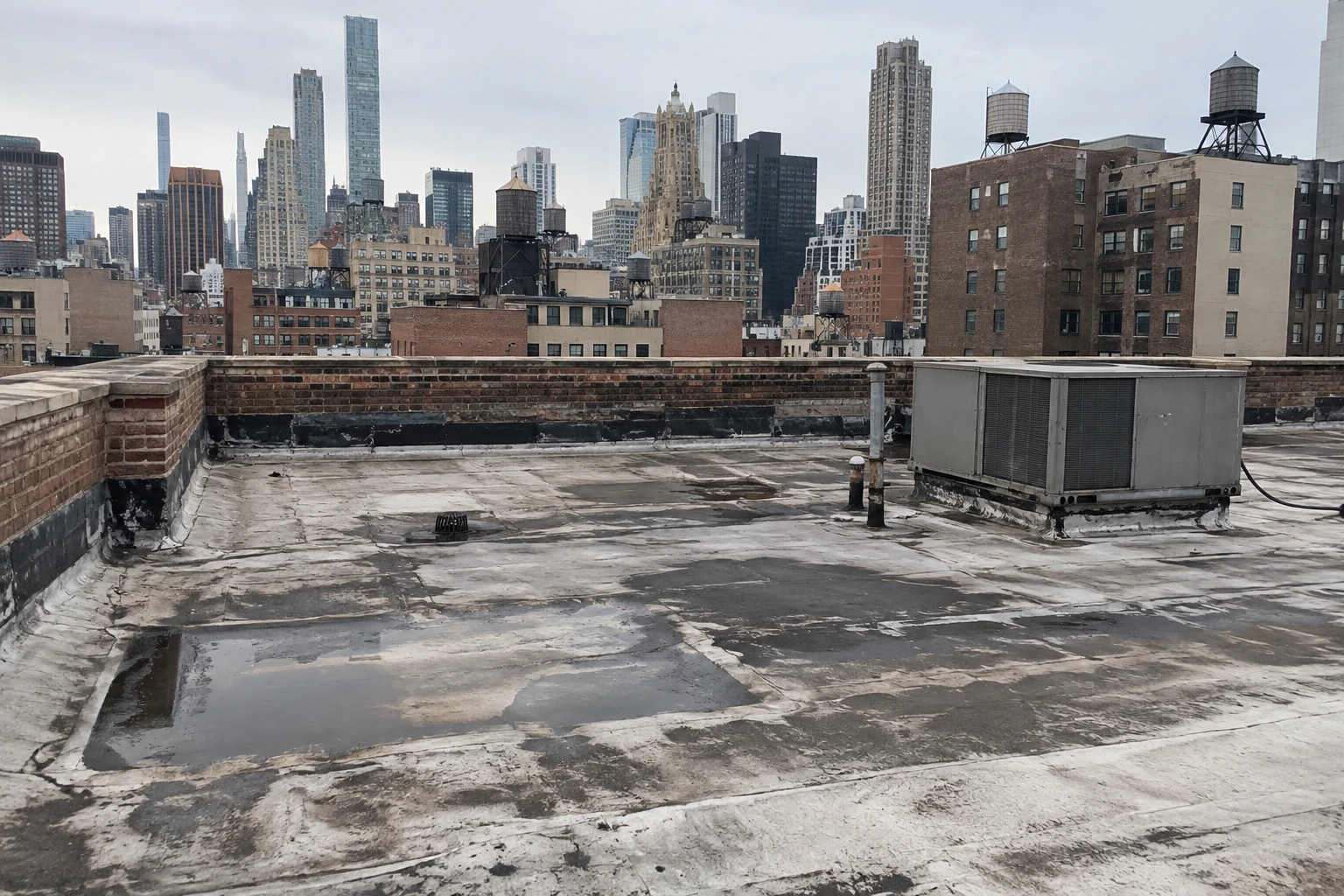
Heat adds its own stress. The park has recorded 106 F, and an urban heat island keeps roofs warm into the night. We photograph the drain bowls, measure ponding and note blistering or open laps, and the results go into the rating.
The seasonal routine is simple: drains and leaders before the wet season, edges and flashings before winter and sealants before summer. Each check is dated in the file, which supports a claim if a storm does damage.
What goes in the owner's file?
The file holds the rating, the scan, the core log, the drain inventory, any review approvals and warranty papers. Owners who also hold property in East Harlem or Washington Heights can compare those roofs with a Harlem building on the same scale, so a single capital plan covers them all.
Commercial Roofing Questions
How is a leak at a shared townhouse wall assigned to one owner?
A moisture map and a hose test at the party wall show where water enters. The report marks the source and the roof area it belongs to. With that record, the two owners can agree on cost without a dispute.
Does repairing a cornice require approval in a historic district?
It can. A repair that matches the existing profile and materials is often simpler than a change. We document the cornice first and confirm the approval path before ordering anything.
How do we protect a ground-floor tenant during reroofing?
We phase the work by roof zone, protect interior finishes below the active zone and agree on noise windows in writing. The tenant gets a dated schedule before the first day. Residents above receive notice of the hours when tear-off is loudest.
What is the first thing to inspect on a roof beside a commercial corridor?
The rooftop equipment curbs and their flashing. Each fan, vent or unit sits on a curb that can fail, and a roof with many tenants has the most of them.
How does a facilities department use the roof ratings?
It sorts the roofs by rating, estimates repair and replacement dates from the findings and loads them into the capital plan. The oldest and wettest roofs rise to the top of the list.