Roof surveys, repair and replacement for Flatiron District, Manhattan, NY mid-rise office buildings and early towers, with tenant protection and clear records.
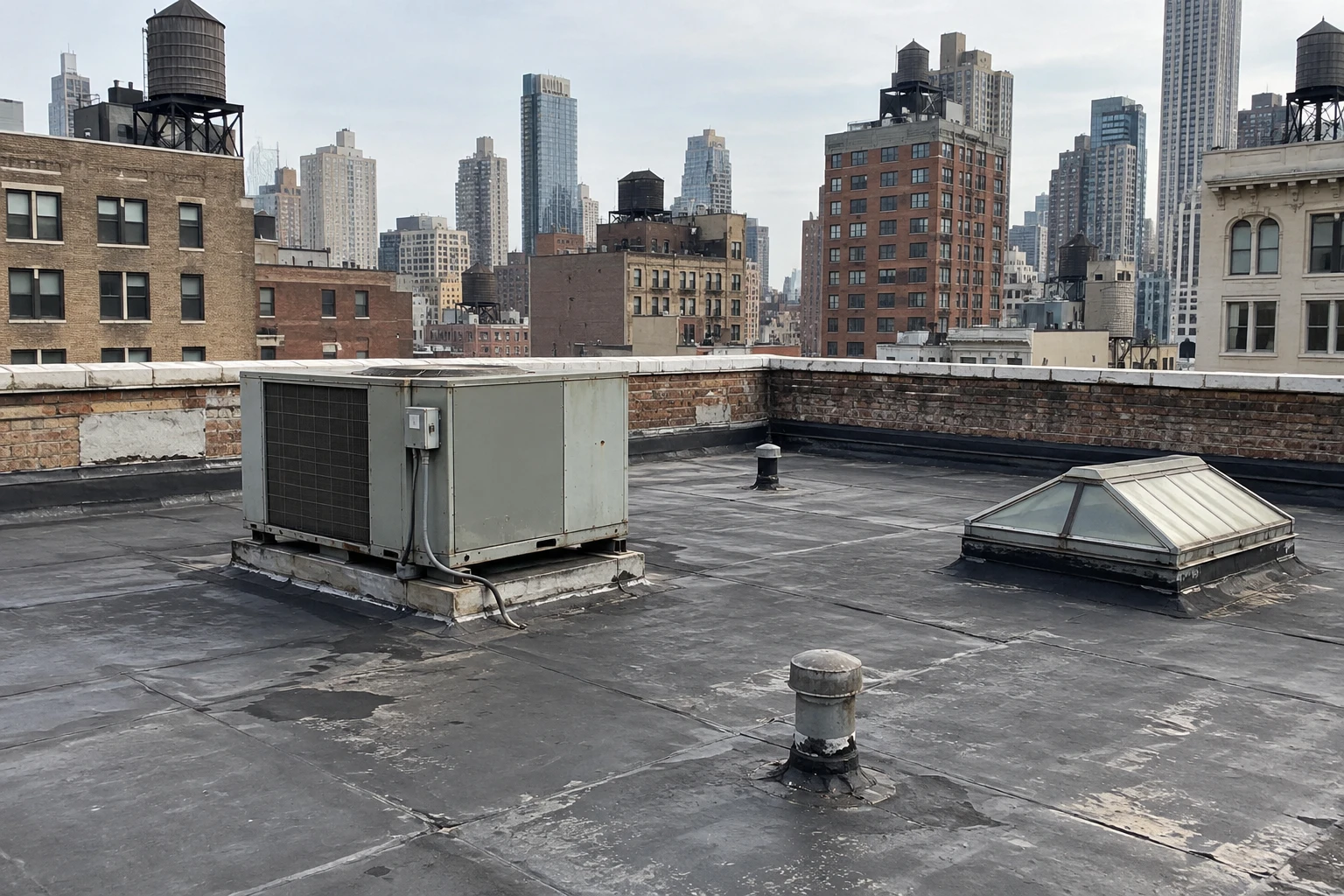
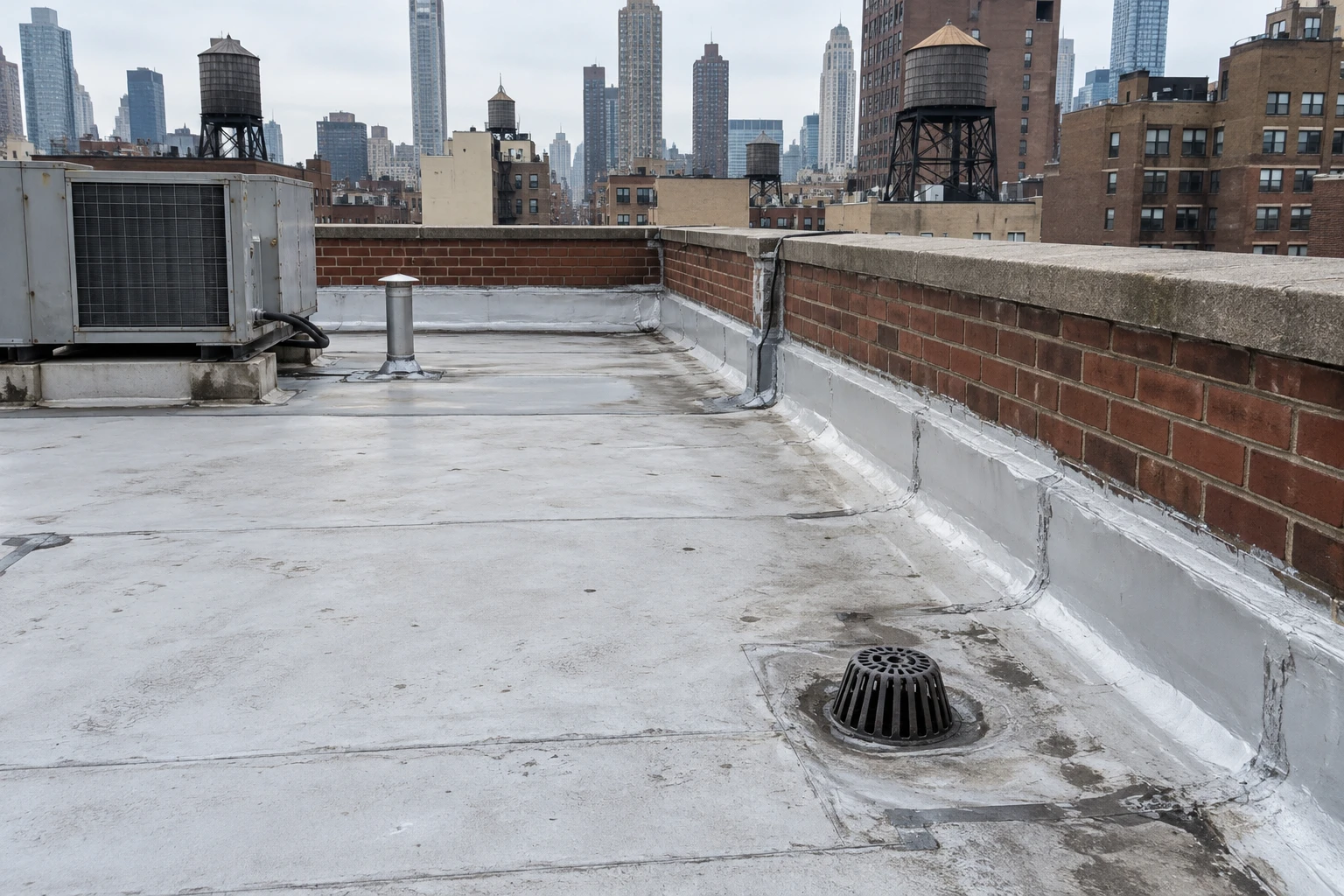
Ponding depth at the low corner, measured the morning after a rain, is the opening number on a Flatiron mid-rise roof. A film of water means the drain is working, and an inch or more after a day means water is standing against a flashing that was not made to sit in it. The Ladies' Mile Historic District falls within the district, and its side streets still hold many older buildings of three to six floors. Many computer and web start-ups located in the district in the 2000s, making it part of Silicon Alley, so office use is part of what the roofs protect. In Manhattan, NY, the roofs over that kind of office floor have to protect desks, servers and conference rooms that tenants cannot easily move. The survey therefore begins with the readings that predict a leak and ends with a plan the tenant can read.
What roofs sit over the Flatiron District?
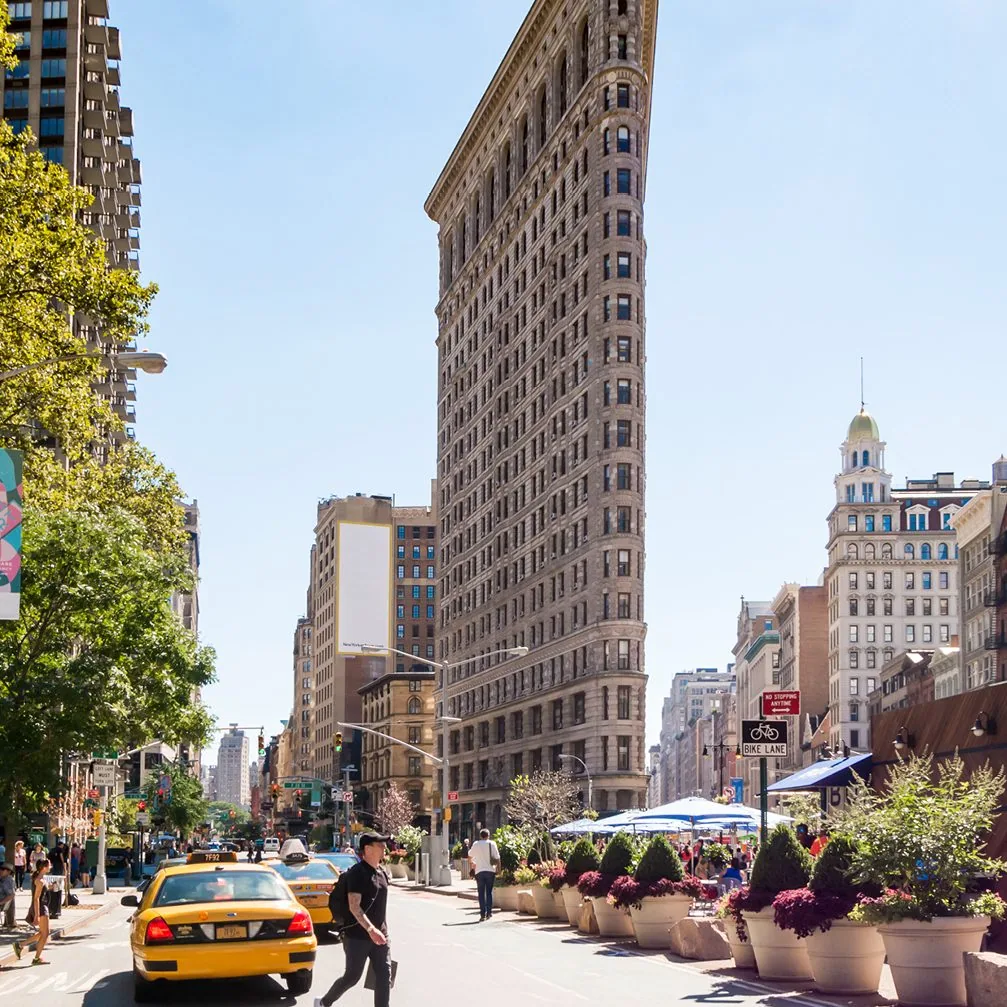
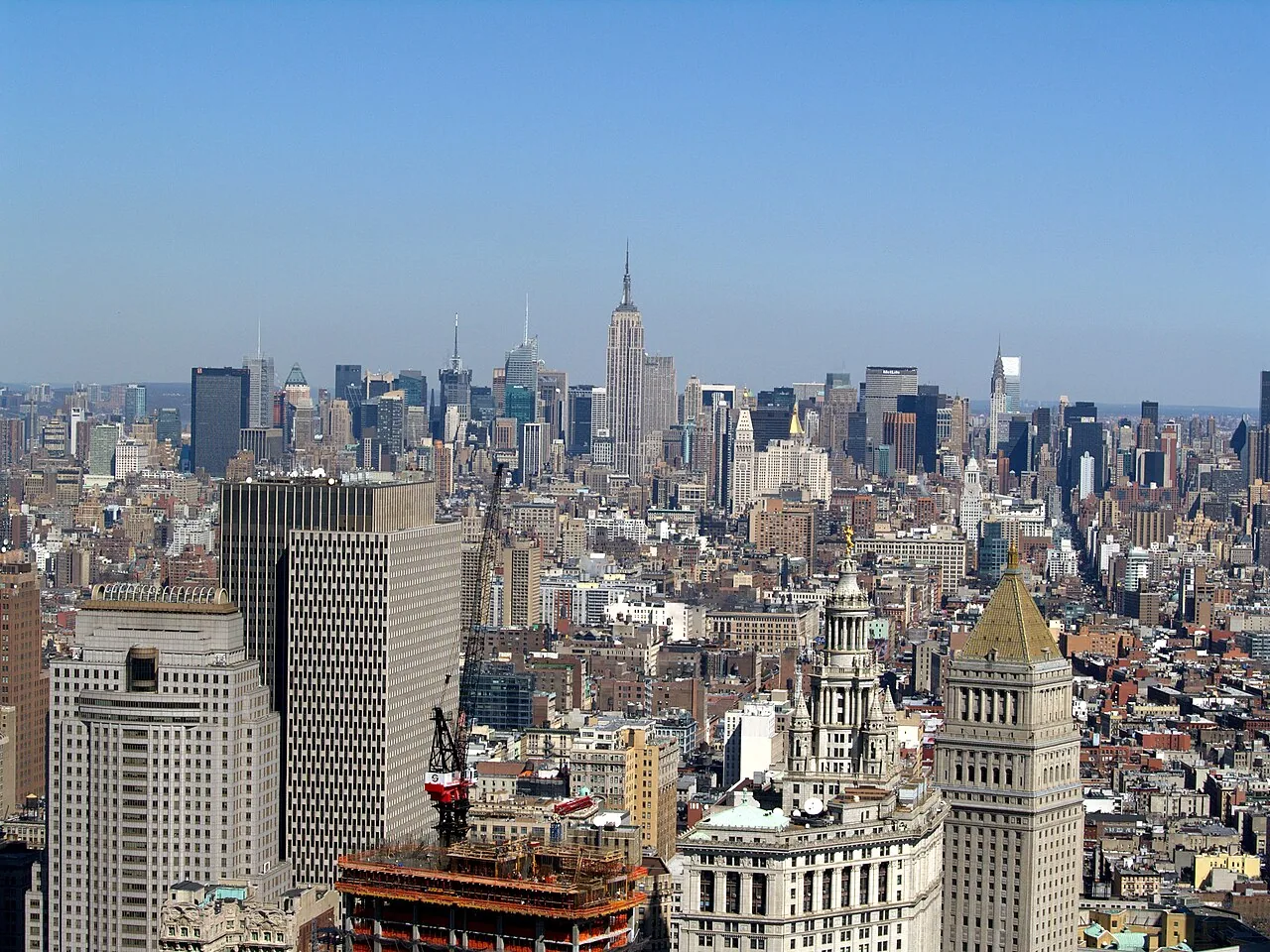
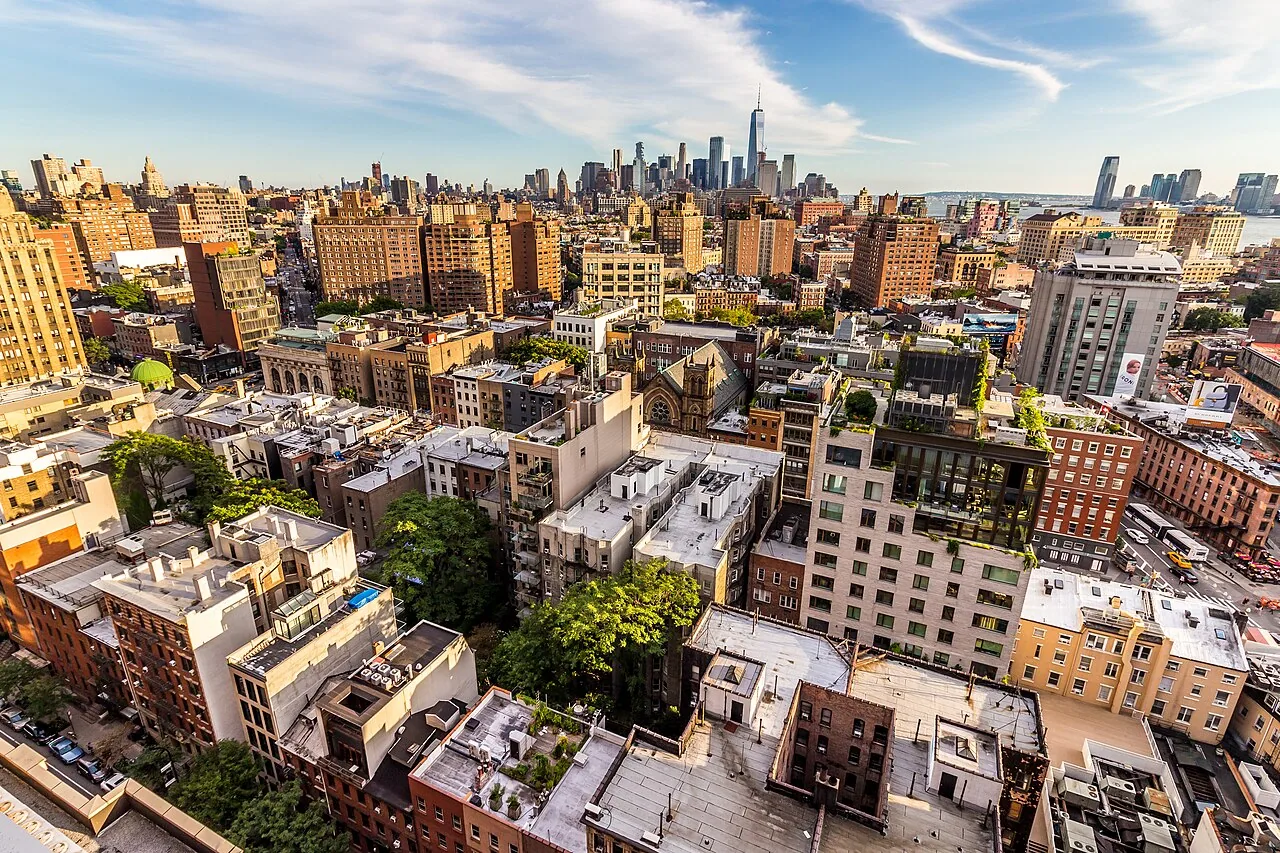
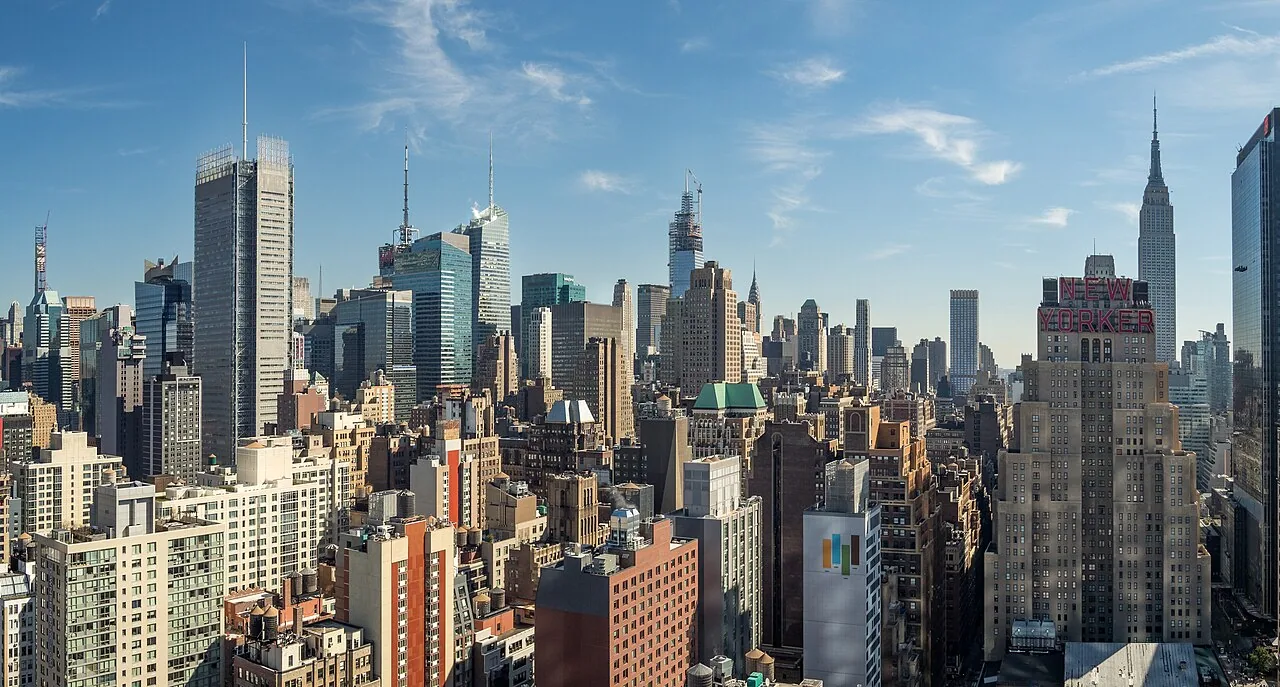
Two scales. The side streets hold older buildings of three to six floors, and their roofs are small, low-slope and shared with a bulkhead and some equipment. The avenues and squares hold early towers: the Met Life Tower, built in 1909 and 700 feet tall, the 34 story New York Life Building, completed in 1928, and the Flatiron Building itself, one of the oldest of the original New York skyscrapers.
Roofs on those towers are crowns, setbacks and mechanical areas, each with parapets, cornices and equipment. We read what is on each roof directly: layers by core, flashing details by hand and drainage by measurement. The facts about the district tell us what kind of work to expect and which questions to ask, and the survey supplies the answers for the roof in front of us. Landmark status, where it applies, is checked before any visible change is scoped.
How are tenants protected during roof work on an office building?
With a plan that begins before the first tool comes out. We identify the top-floor tenants, what they hold below the roof and which hours suit noisy work. An office with server and network equipment cannot afford a wet ceiling or a lost circuit; an office with edit suites needs quiet. The plan sets protection over sensitive areas, such as sealed temporary ceilings and plastic sheeting, and sets the sequence so no section of roof is open overnight.
Notice is part of protection. Tenants receive dates, hours and a contact, and the contact has authority to stop work if a problem arises. For an office building with a single owner, the scheduling follows the building's lease terms. For one with many tenants, the managing agent coordinates, and we supply the daily log that shows what was done and what was closed. A leak that reaches a tenant despite this care is documented at once, with photographs, the weather and the section log.
What do early towers and crowns require?
Access and detail. A tower crown is reached by stair and ladder, and everything carried up has to be small enough to carry. Parapets and cornices on early towers can be decorative, and the drainage details behind them can rely on small scuppers. We inspect them by drone where reaching them is difficult, using a drone roof inspection to record the condition before a crew goes to the edge.
Repairs are scoped in small packages that can be finished in a few shifts: a cap, a flashing, a drain, a section of membrane. Wind matters at the top, where a roof several hundred feet up is more exposed than the ground, and Central Park's strongest gust, 78 mph on December 2, 1974, sets the scale. Fastening at edges is checked and tightened, and loose items are secured. Nothing is left on a roof overnight that wind could move.
How do rain, snow and heat show up on these roofs?
Ida's 3.15 inches in an hour on September 1, 2021 is the benchmark for drains, which is why ponding is measured after rain rather than drains merely inspected for debris. Snow loads parapets and blocks scuppers, and Central Park gets 29.8 inches in an average year and had a 27.3 inch fall on January 23, 2016. A recorded 106 F and a strong urban heat island age sealants and membranes.
We schedule inspections before winter and after the first heavy storm, and we repair what the survey finds before the next season. A short preventive maintenance visit that clears drains and checks caps is cheap compared with a ceiling replacement. If the roof needs more than maintenance, the options are repair, coating, recover or replacement, and Local Laws 92 and 94 of 2019, effective November 15, 2019, add the sustainable roofing zone to a full replacement.
What are the owner's options, and what drives their cost?
Four routes cover most roofs: repair, coat, recover and replace. Repair suits local defects over dry layers. A coating suits a sound membrane with a worn surface and a roof that drains. A recover suits dry, bonded layers with headroom under the code limit and a structure that can carry more. Replacement suits wet or failed layers, and it is the route on which Local Laws 92 and 94 add the sustainable roofing zone.
Cost follows the measured items: area, layer count and disposal, deck repair, insulation depth under the current energy code, the number of penetrations and edges, hoisting, permits and the hours the building allows. On a mid-rise roof, access and tenant restrictions often cost as much as material, so we price them as their own lines. The estimate separates what is certain from what depends on conditions found at tear-off, and it uses unit prices for the second group so that nothing is hidden. A commercial roof replacement priced this way is easy to compare with a repair or a recover, and the owner decides with the numbers in front of them. Timing matters too: a spring or fall start avoids the worst heat and the worst snow, and booking early gets the crane and hoist dates that a tight block allows.
What should the building keep on file?
The roof plan with readings, the core cut results, the drone images, the tenant notices and daily logs, the landmark approvals if any and the warranty terms. Owners with buildings in Greenwich Village, Murray Hill or Midtown can run the same survey across them and compare ratings on one scale. Mid-rise roofs in the district often share party walls with neighbors, so the tie-in at each wall is checked and its owner is noted.
Commercial Roofing Questions
How much standing water is too much after a rain?
A film that disappears in a day is normal. Water an inch or more deep after 48 hours is a drainage problem that will age the membrane and stress the structure. We measure depth at the low points and propose a saddle, a new drain or a slope correction.
Will roof work disturb our servers?
Not if it is planned. We protect the ceiling over sensitive equipment, avoid sections directly above it during the most intrusive steps and agree on a response if a leak appears. You decide whether equipment moves for the work.
Do cornices and decorative parapets need special repair?
They need materials that match the original and details that drain. Landmark rules may apply. We document the existing condition and propose a repair that preserves the look.
What inspection calendar fits an older mid-rise roof?
Before winter and after the thaw, plus after any severe storm. Each visit adds to the log, which matters for a lender or a buyer.