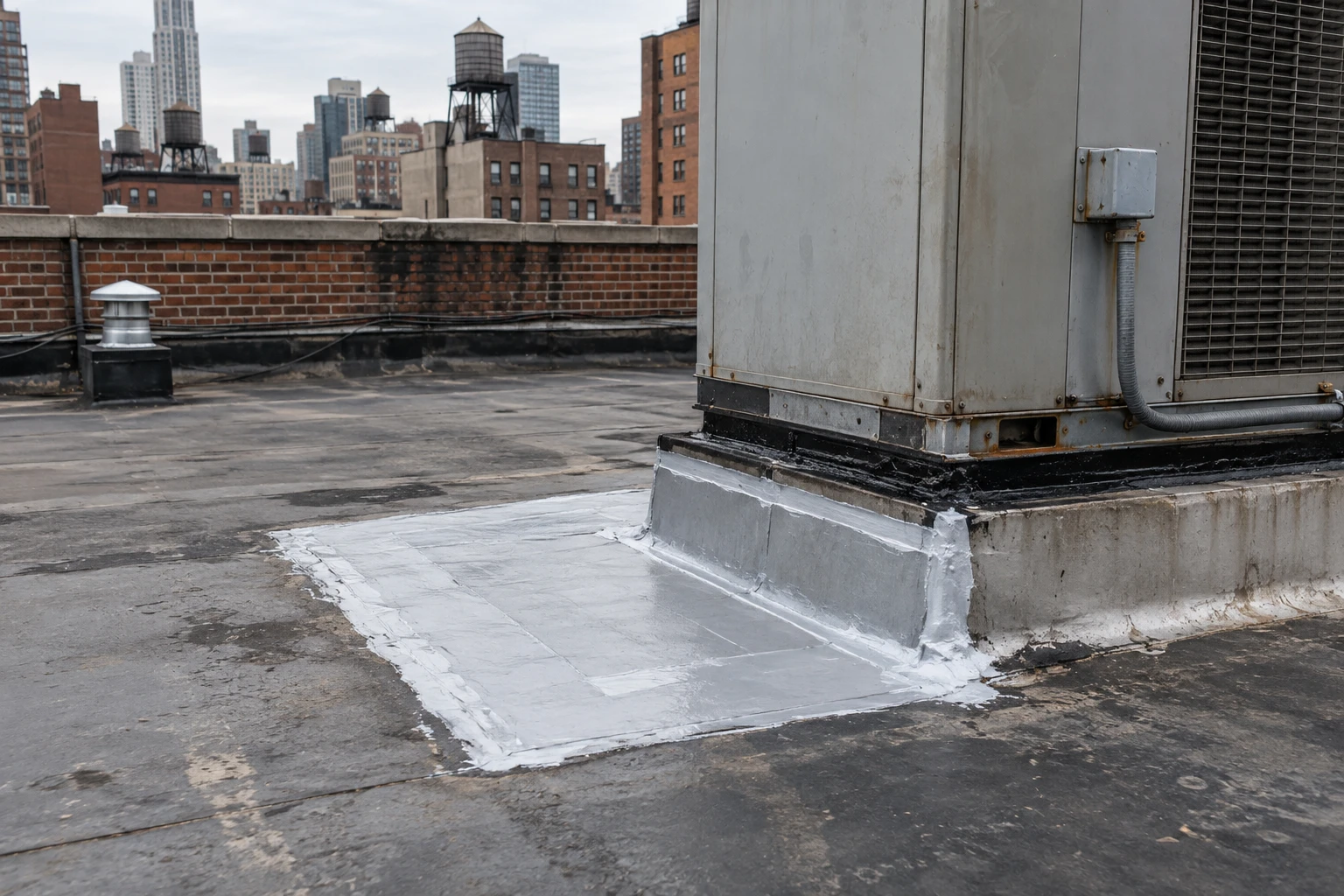
Scheduled roof maintenance for Manhattan, NY buildings: drain leader clearing, coping and flashing checks, and condition ratings for reserve studies.
A drain leader that carried water freely in April can be half closed by October, and the only record of that change is a maintenance log with two dated entries. That log is the real product of a maintenance program. A Manhattan roof is small, hard to reach and crowded with equipment, so the work that keeps it dry is mostly small: lifting a strainer, resealing a coping joint, trimming sealant around a pipe. Done on a schedule and written down, those tasks hold the condition rating steady and give the asset manager a basis for the reserve study. Done only after a ceiling stain, they are repairs at repair prices. Keep the last two visit reports where the next crew can read them.
We schedule, perform and document that work for buildings across the island, and emergency response continues around the clock between visits.
What does a maintenance visit actually cover on a Manhattan roof?
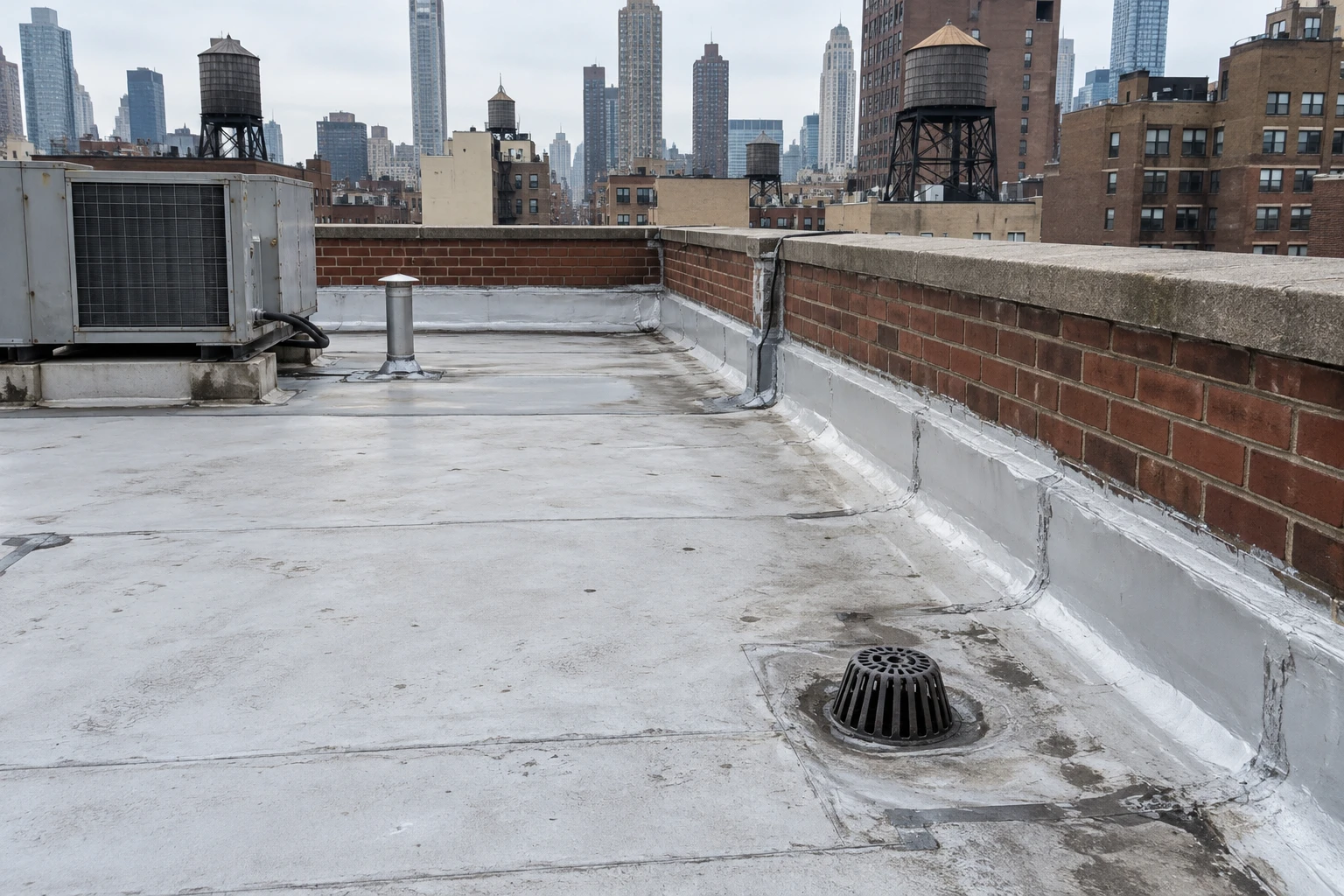
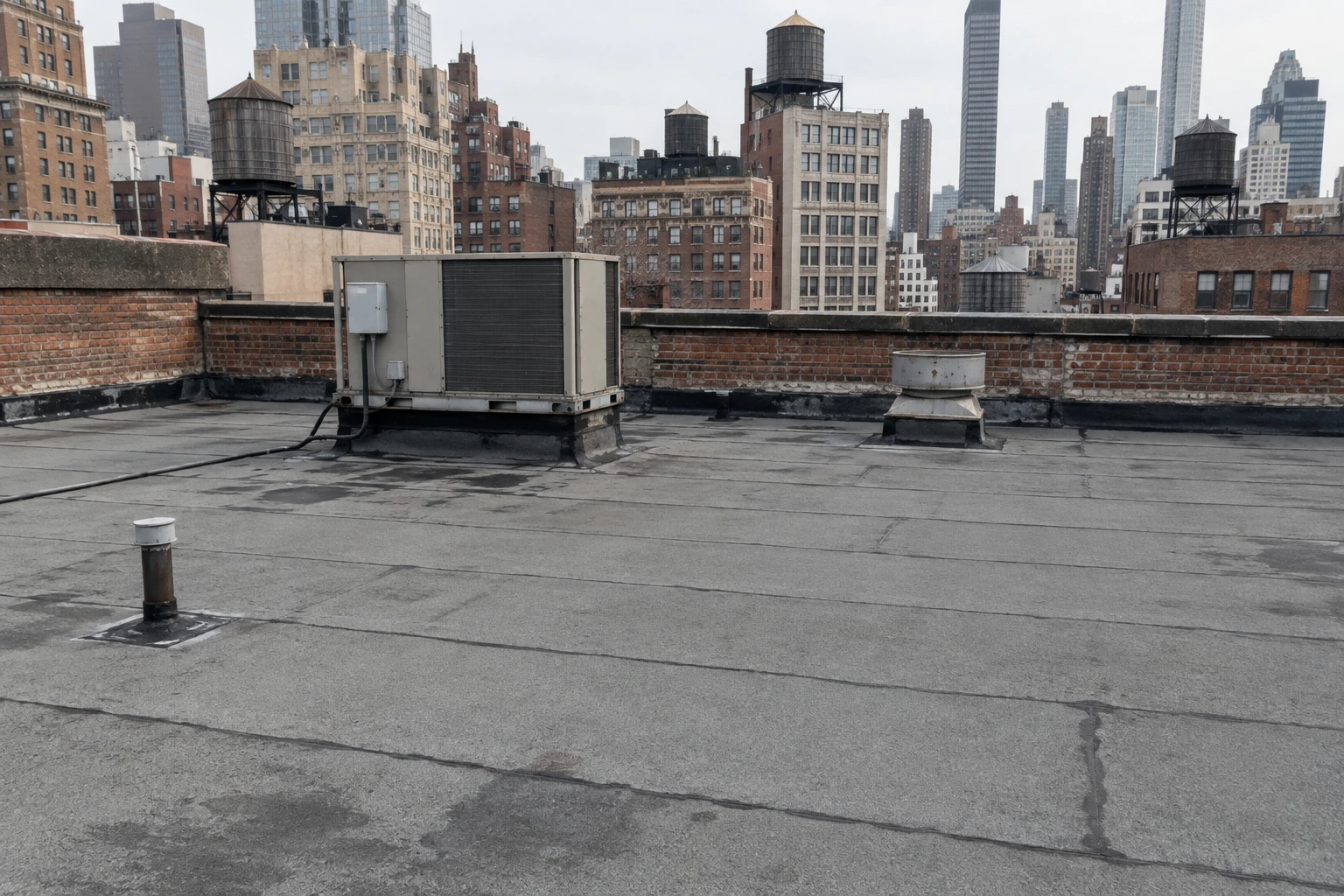
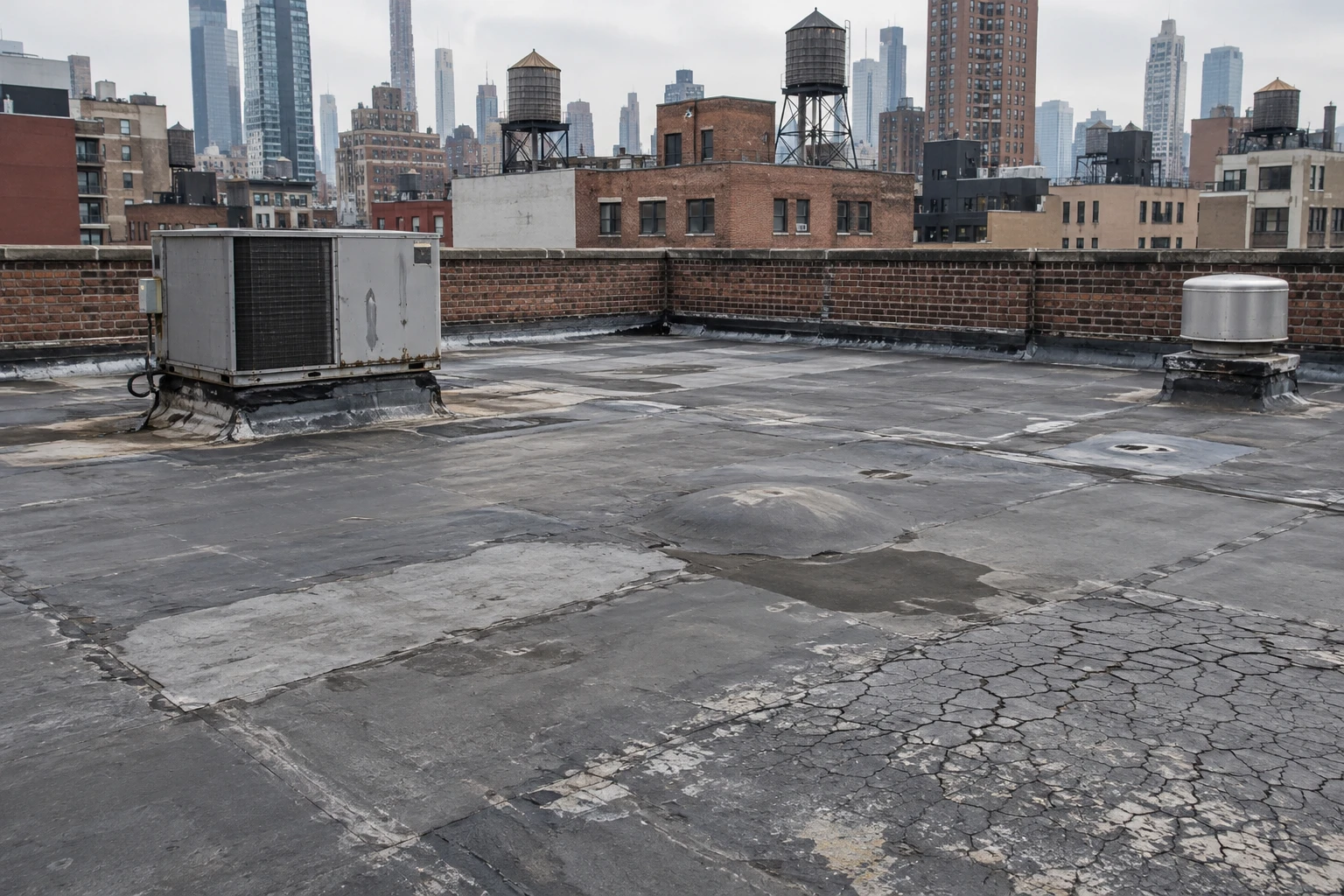
A visit begins with the drains, because water that cannot leave is the common cause of damage. The crew clears each strainer and basket, flushes the roof drain leader where access allows, and records ponding depth after the flush. Next come the penetrations and the mechanical curb: sealant, pitch pockets, boots and the counterflashing that sheds water over them. Then the edges, meaning parapet coping, cap joints and the termination bar at the wall. Last, the field of the membrane is walked for punctures, blistering and open seams, and the walkway pads are checked where service staff cross.
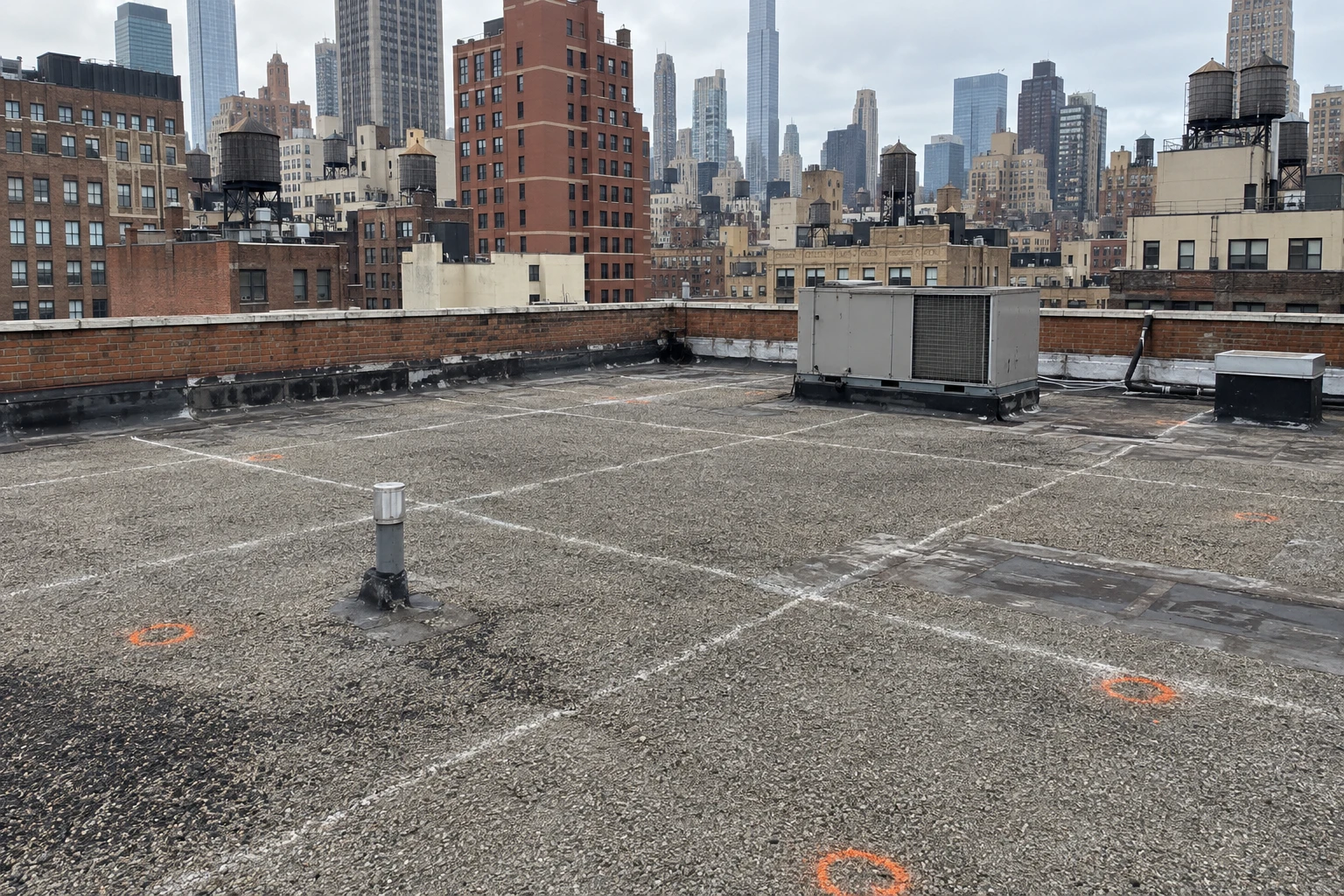
Every finding is photographed with a location mark on the roof plan. The visit ends with a short list sorted into three groups: fixed during the visit, scheduled for repair, and watch. The third group matters to a reserve study, because a watch item with a measured date can be tracked from one visit to the next. Document the plan view at the first visit and keep the same view each time.
Access is part of the scope. Many Manhattan roofs are reached by a stair bulkhead, a roof hatch or a fixed ladder, and materials move by hand or by hoist. We note the route, the weight a hatch can pass and any restriction on freight lift use, so the next visit starts without questions. A roof with a documented route costs less to service each year than one that needs a new plan every time.
Why does an extreme rain hour change how often the roof should be visited?
Hurricane Ida on September 1, 2021 delivered a record 3.15 inches of rain in a single hour, and 7.13 inches fell in Central Park that day. The National Weather Service issued its first flash flood emergency ever for New York City. A roof drain system is sized for a design storm, and a debris-clogged inlet turns a design storm into a pond against the parapet. After an event of that size, the visit that follows is not routine: we measure ponding depth, check coping joints for water marks, and look at flashing heads for displacement.
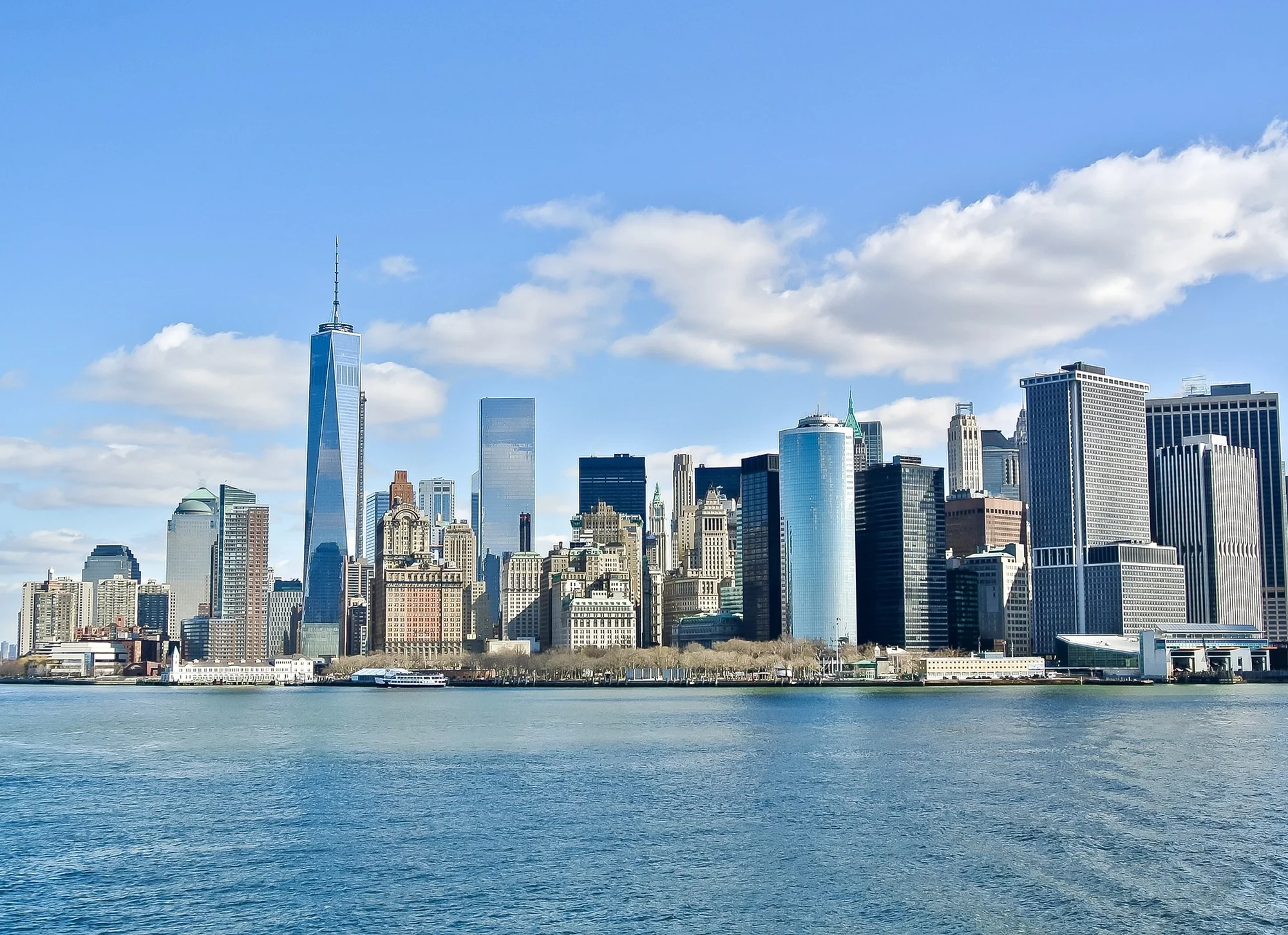
Hurricane Sandy on October 29, 2012 brought a 14.06 foot storm surge above average low tide at The Battery. A roof sits above any surge, but everywhere in Lower Manhattan south of 39th Street lost power, and rooftop units and controls went with it. A maintenance contract written with storm-triggered visits, in addition to the calendar ones, matches how the building really gets damaged. Record both the rainfall and the date of each storm visit in the log.
Which seasons put the most strain on the membrane?
Central Park averages 29.8 inches of snow and about 49.5 inches of precipitation a year. The record snowfall of 27.3 inches fell on January 23, 2016. Freeze and thaw cycles drive water into any open seam, and ice in a drain leader can split a fitting. The same park has reached 106 F, and the urban heat island keeps rooftops hot long after dark, which ages sealants and softens bituminous flashing. The visit schedule follows this pattern: a late-autumn visit to clear leaves and secure edges before the first freeze, a spring visit to find winter damage, and a summer visit for heat-affected sealants.
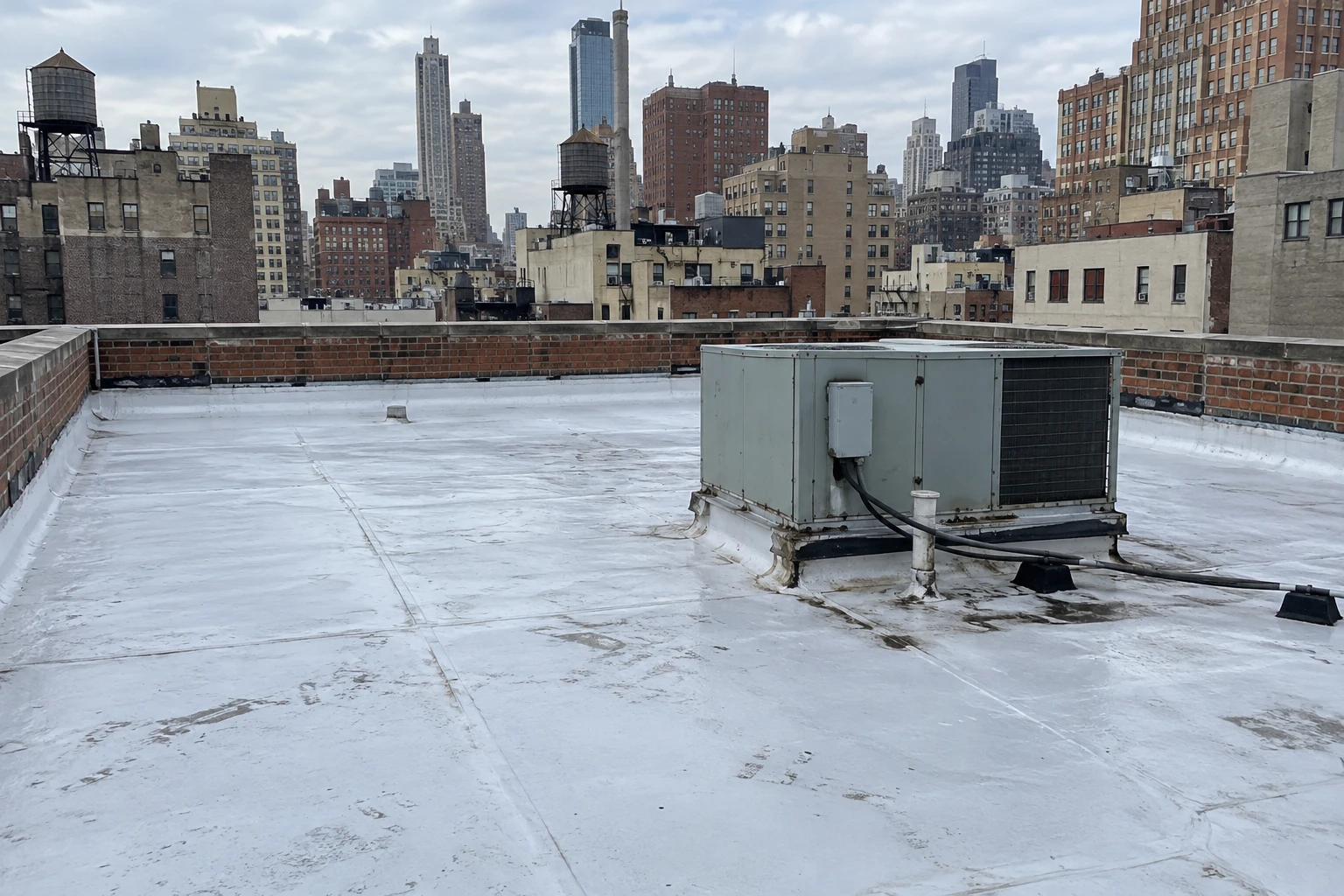
For a building with a modified bitumen or built-up roof, the summer visit includes a check for slipped flashing and surface granule loss. For single-ply roofs the visit adds seam probing. For a silicone coating, we look for ponding-related film breakdown. Write the seasonal findings next to the previous year's.
How does the building type change the maintenance plan?
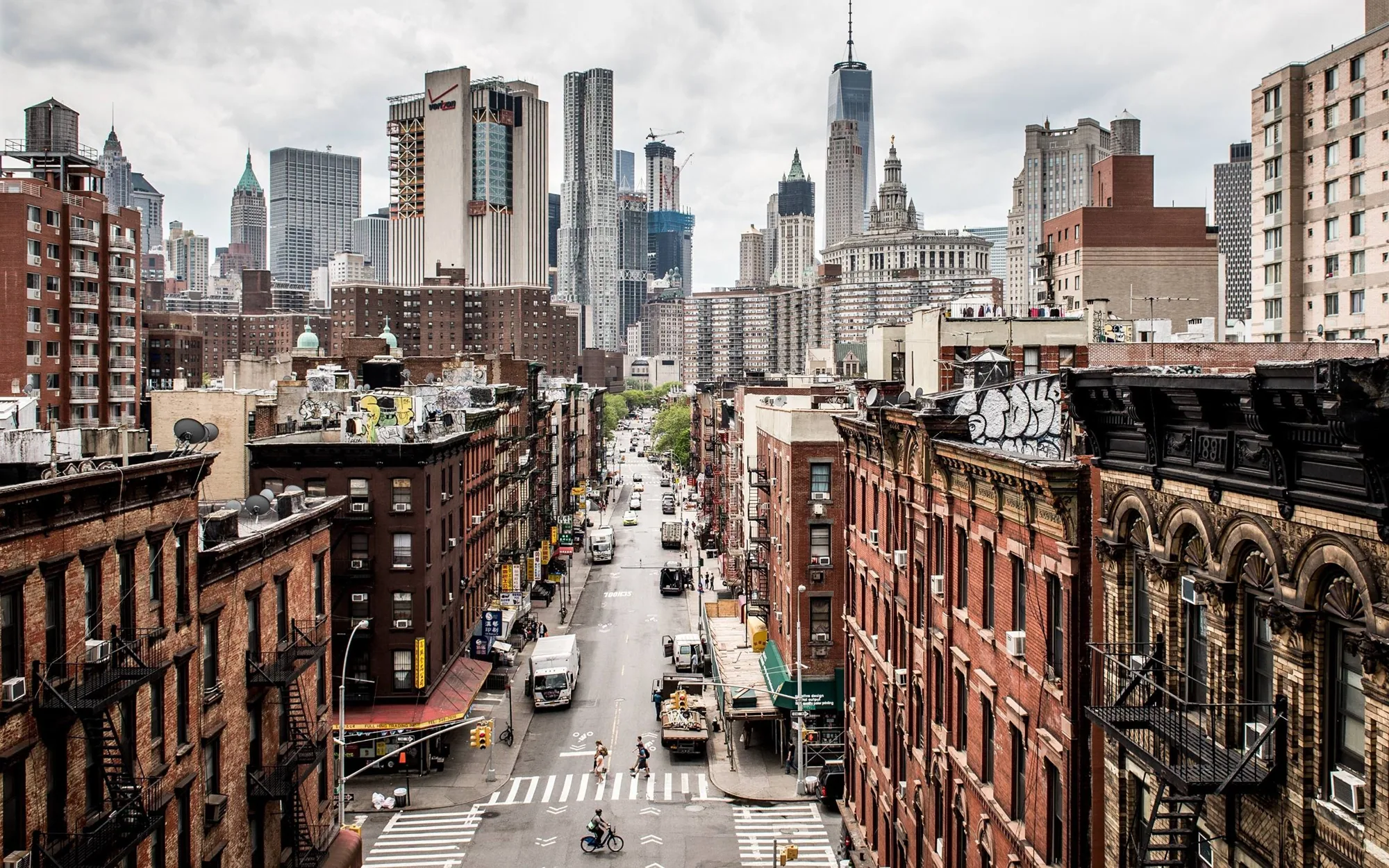
In the prewar blocks of the East Village, the Lower East Side, Inwood and Washington Heights, five and six story buildings carry low-slope flat roofs with bulkheads, chimneys and tank supports crowding a small area. A visit there concentrates on tie-ins at the bulkhead and on the old patches around vents. Setback roofs on Midtown towers add lower terraces under the tower walls, where water and debris collect against the face.
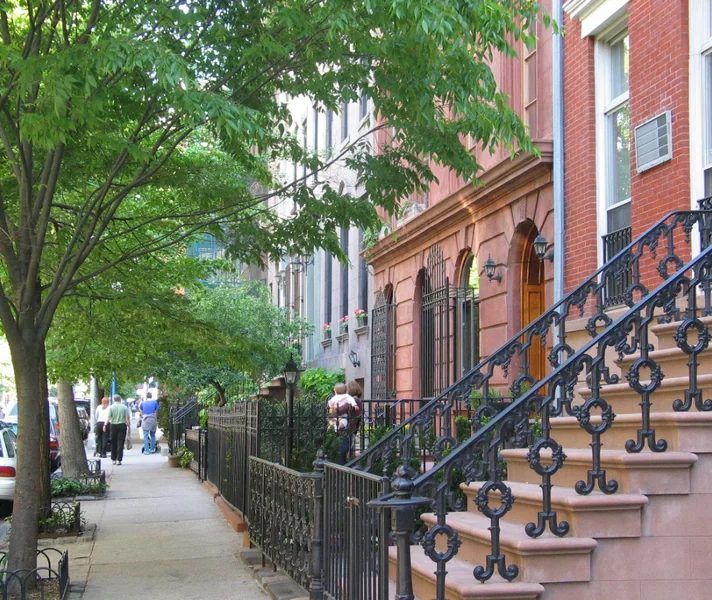
Landmarked districts such as the SoHo-Cast Iron district, about 500 buildings, and Greenwich Village limit changes visible from the street, so maintenance there favors in-kind repair, and we confirm the approach before we alter a coping or a cornice cap. Hospital buildings in Washington Heights, Kips Bay and the Upper East Side add infection-control and noise limits to the visit. A written roof condition report after the first visit sets the baseline for the building type.
What does a maintenance program change in the budget?
Maintenance moves spending from emergency work to planned work, and it makes the reserve study accurate. A roof with a documented condition rating can be scheduled for replacement or coating when the measurement says so, rather than when it fails. The cost of a visit depends on the number of roofs, the access (a hatch, a ladder, a stair or a hoist), the equipment on the roof that must be worked around, and the frequency chosen.
The program also supports a warranty claim, since many manufacturers expect evidence of upkeep. We keep the record they ask for. When a deeper problem turns up, the log leads straight into an infrared moisture survey or a repair under commercial roof repair. For owners of several buildings in Midtown, a single schedule across properties keeps visits efficient. A shared schedule also lets the asset manager compare condition ratings between buildings and decide which roof receives the next capital dollar, using measurements in place of a general sense of age.
Commercial Roofing Questions
What decides how many visits a year a roof needs?
Roof age, the system type, the amount of equipment on the roof and the building use decide it. A recently installed single-ply roof with few penetrations may need two visits and a post-storm check. A roof with many curbs, an old bituminous membrane and a nearby tree line needs more. The first survey sets the number.
Should we begin a program on a roof that already leaks?
Repair first, then begin the program. A maintenance crew can clear and reseal, but a roof with wet insulation needs a moisture map and a repair boundary before routine visits mean anything. The first report separates the two.
How is the work documented for an auditor or a lender?
Each visit produces dated photographs, a marked roof plan, a condition rating and a list of open items. The set is delivered as a single file per building, so a lender or an insurer can read the history without a site visit.
Can maintenance happen on a landmarked building without a permit review?
Routine cleaning and in-kind sealant work usually does not alter the street view, but we confirm the scope against the building's status before the visit. If a coping or cornice repair changes visible material, the landmark review comes first.
What does the crew need from the building staff?
Roof access keys, the contact for the superintendent and any hours when noise is restricted. Tell us about tenants beneath the roof who are sensitive to disturbance, and we schedule around them.