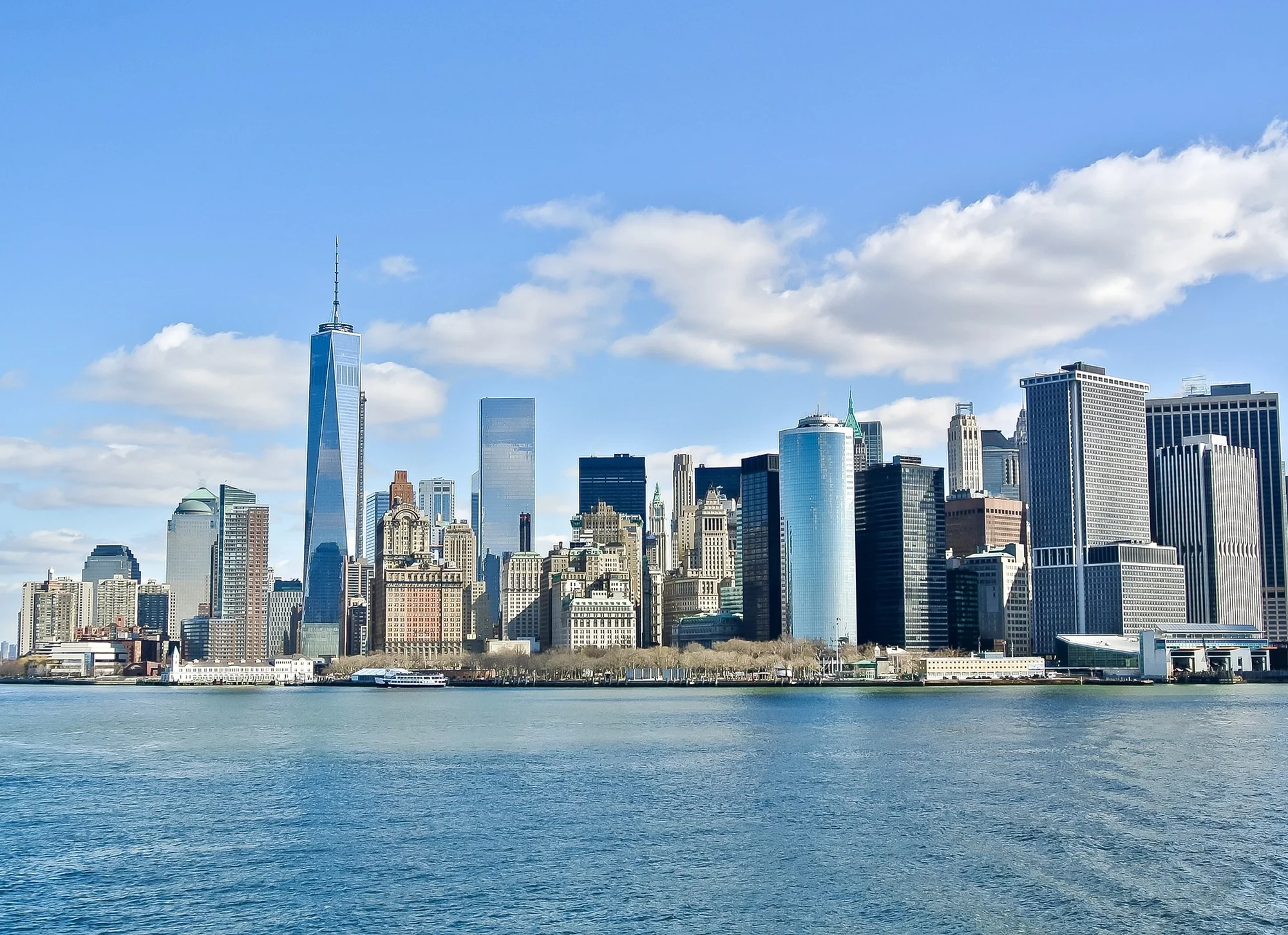
Roof surveys, repair and replacement for logistics and 3PL operators serving Manhattan, NY and the Hudson crossings, scheduled around dock hours and inventory.
Roughly 112,995 vehicles a day used the Lincoln Tunnel in 2016 and about 89,792 used the Holland Tunnel, so any delay inside a logistics building lands on top of a crowded approach. A thermal image that shows a warm stripe above the dock doors, wet insulation where the roof edge meets the wall, is a small repair with an inventory-sized consequence: wet product becomes a claim, and a late delivery can cost an account. For an operator serving Manhattan the roof belongs in the cargo plan. Send the dock schedule and the inventory zones with the first request.
Roofs on warehouses and distribution buildings are surveyed, repaired and replaced around dock hours.
Where do the operators that serve Manhattan actually keep their buildings?
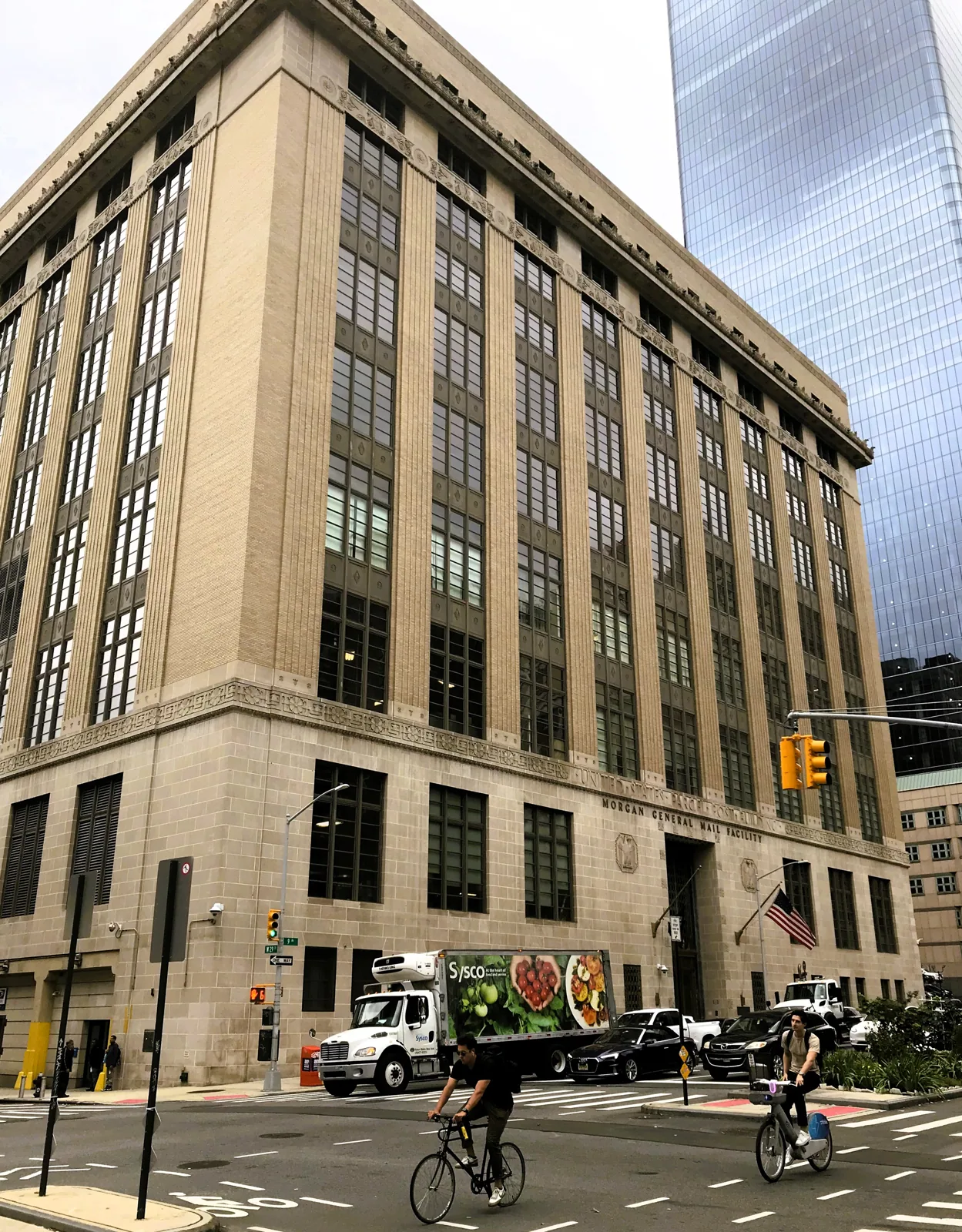
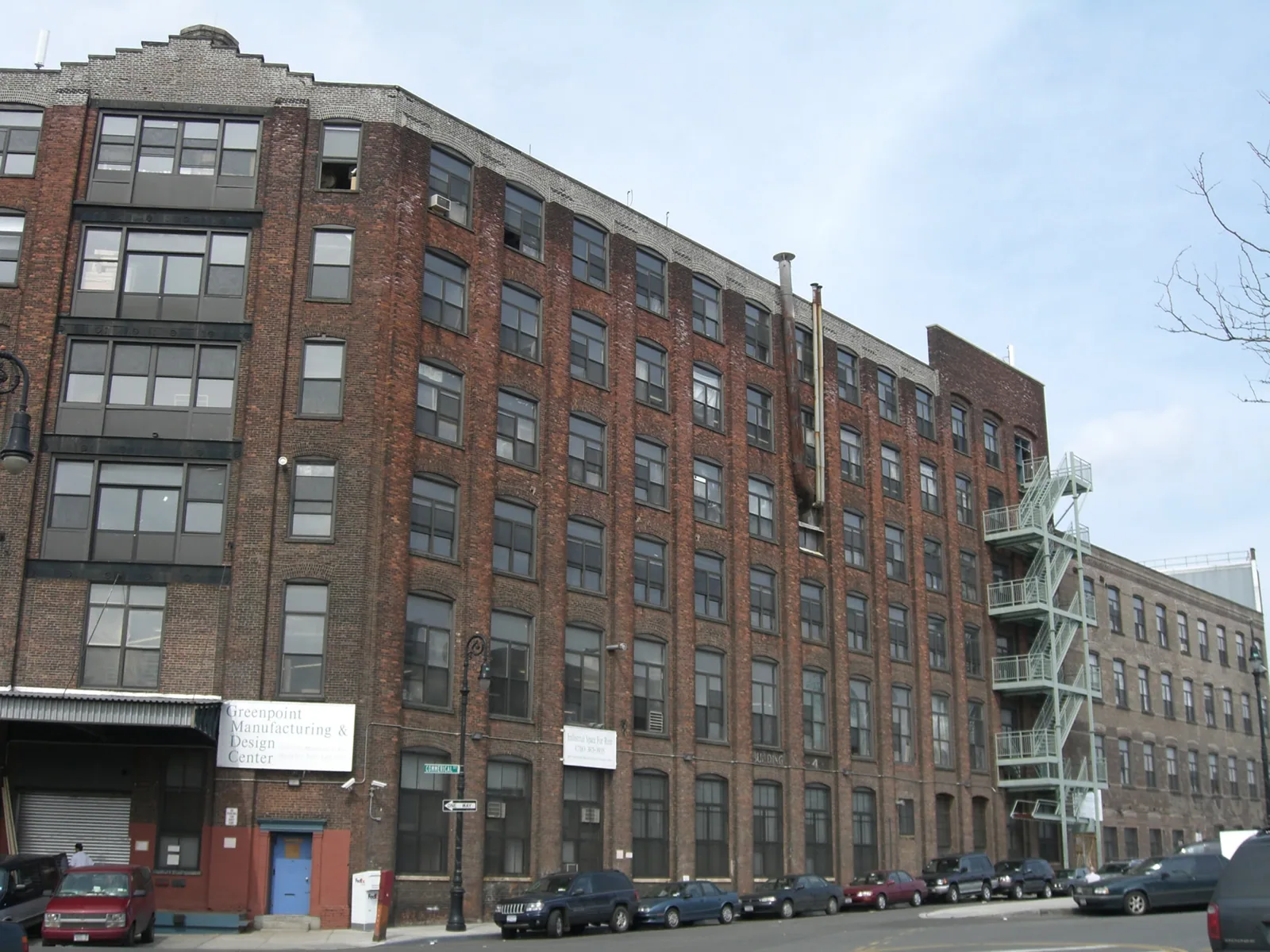
The island itself holds the older freight model. Built in 1930 and 1931 as a full-block freight terminal and warehouse, the Starrett-Lehigh Building on West 26th Street is the island's own example. Today the supply chain reaches across the Hudson. Port Jersey is Jersey City's intermodal freight and container terminal, The New York, Susquehanna and Western Railway runs five intermodal freight facilities inside North Bergen, and Route 495 ties the Lincoln Tunnel to the New Jersey Turnpike. In Secaucus, a former North American headquarters held 500,000 square feet of warehouse space alongside its offices.
Those towns belong to the wider service area. Each building is matched to its roof system and run through the same rated survey, so an operator with sites on both banks can compare them on one scale. A list of every building and its use should come before the survey starts.
The Hudson crossings shape the survey day as well. A crew traveling from the island to a New Jersey building budgets for tunnel queues, and a material delivery has to land in a window the dock manager can accept. Access, parking and escort rules are confirmed with the site beforehand. Where an operator shares a campus with manufacturers or other tenants, the roof access is coordinated with each, so no crew waits at a gate.
How does roof work fit around dock operations?
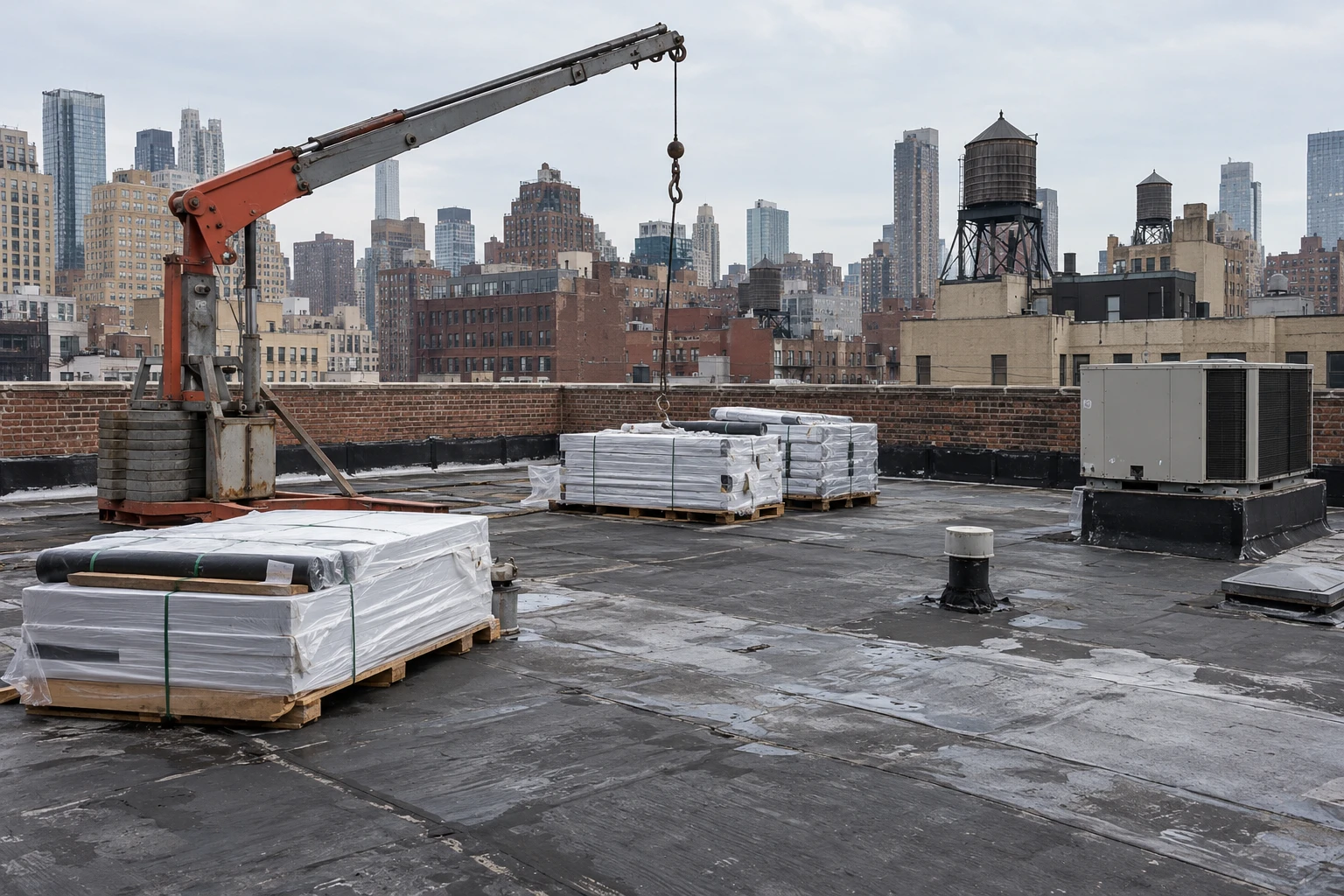
The dock is the busiest part of the building, and the roof edge sits directly above it. Materials and the hoist are staged away from truck lanes, overhead barriers protect the doors and each day's work is closed before the afternoon wave of arrivals. Debris netting keeps fasteners and scrap off the apron, and a magnet sweep follows every day.
Work advances in sections, so the open area is small at any moment. When a section sits over racking or a sorting line, the operations manager decides which aisles to clear and which stock to move. Peak season drives the calendar, with the busiest weeks closed to roof work and heavy tasks shifted into spring and early autumn. The method for occupied building reroofing shows how this works in practice, and blackout dates belong in the first request.
What do Sandy and Ida show about flooding and drainage?
On October 29, 2012 Sandy flooded roughly 17 percent of New York City, after The Battery recorded a surge 14.06 feet above average low tide, and it closed every road tunnel into Manhattan except the Lincoln Tunnel. Closures on that scale stop the flow of goods whatever the condition of the buildings. Ida followed on September 1, 2021 with 3.15 inches in a single hour, and an hour like that tests roof drains directly.
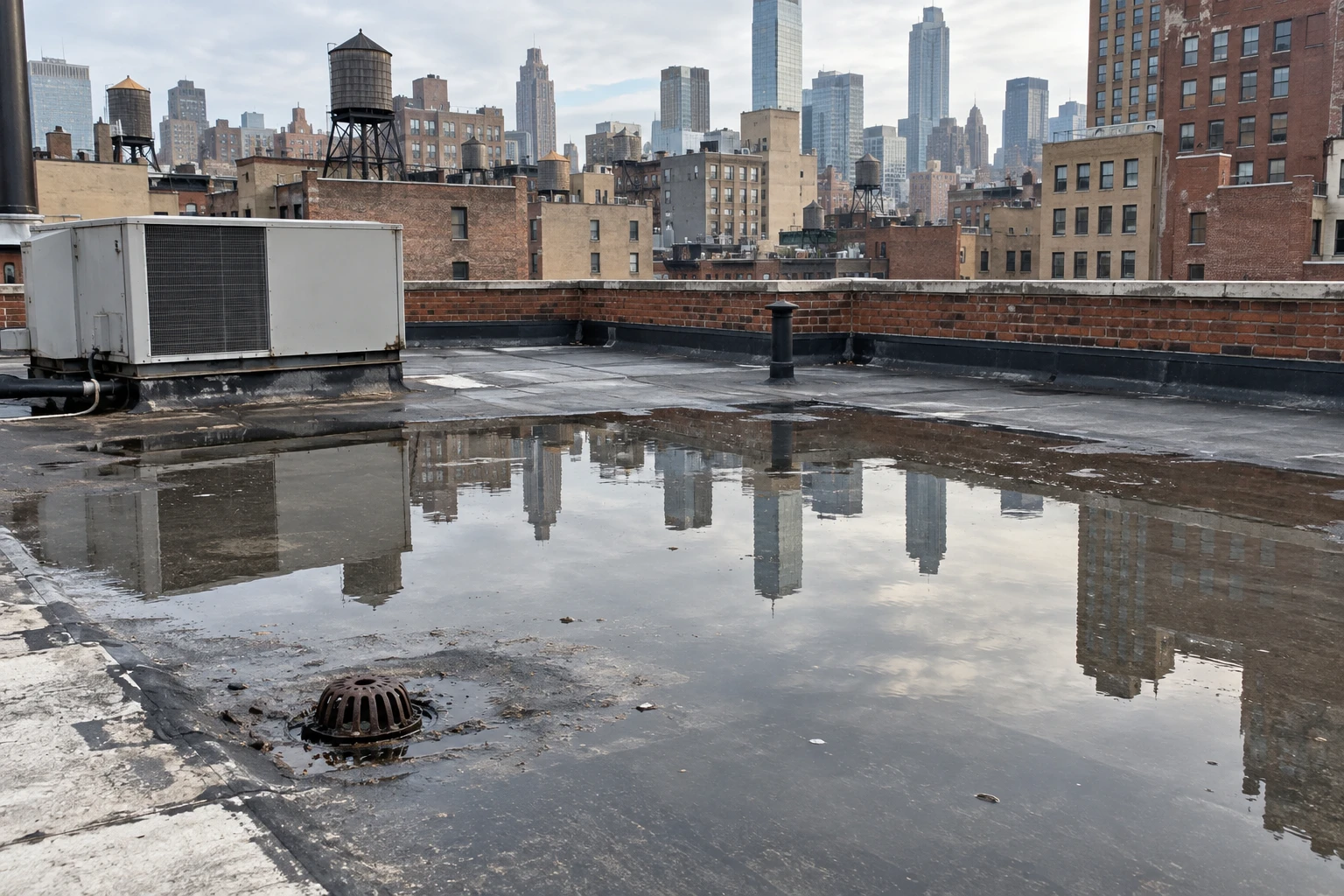
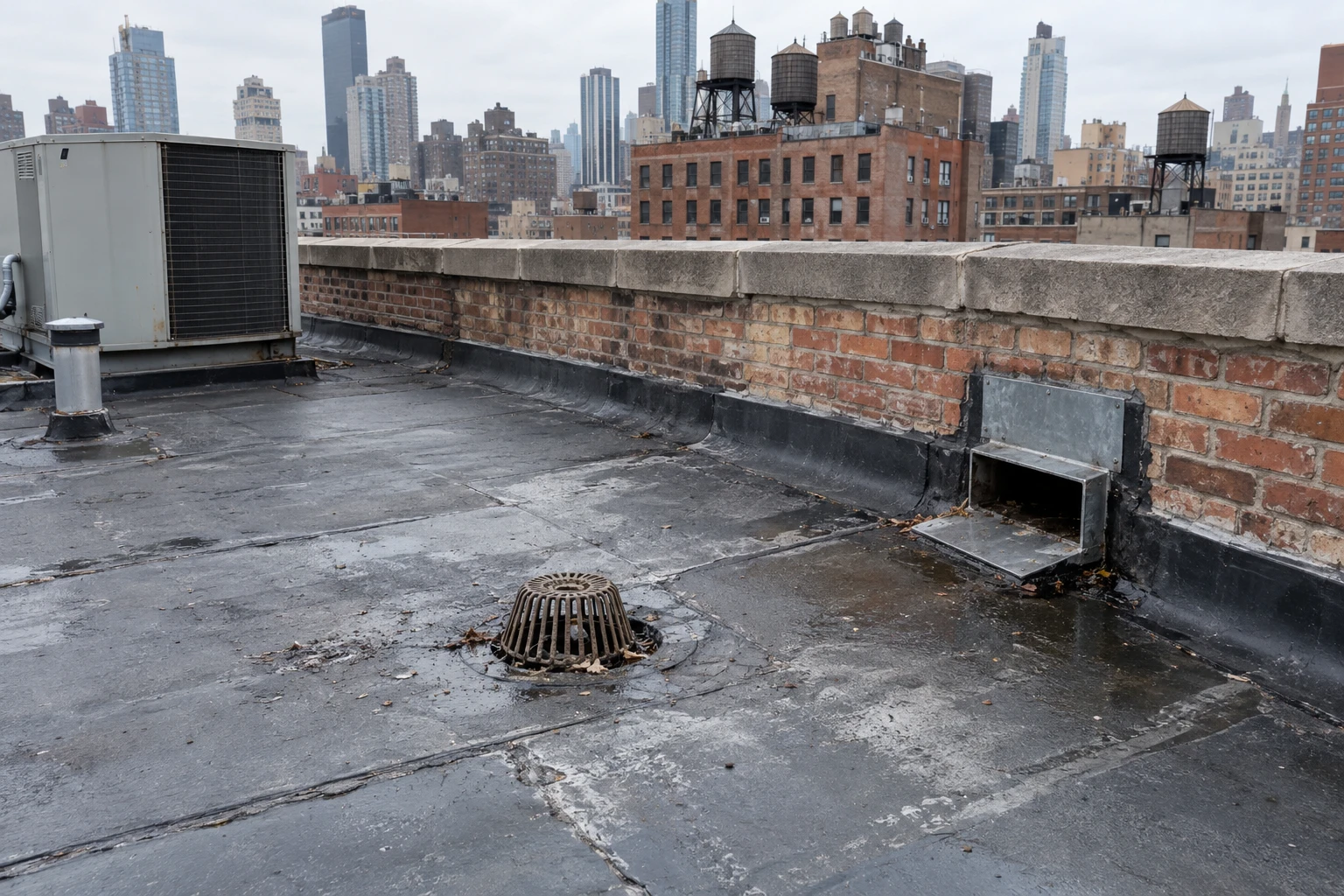
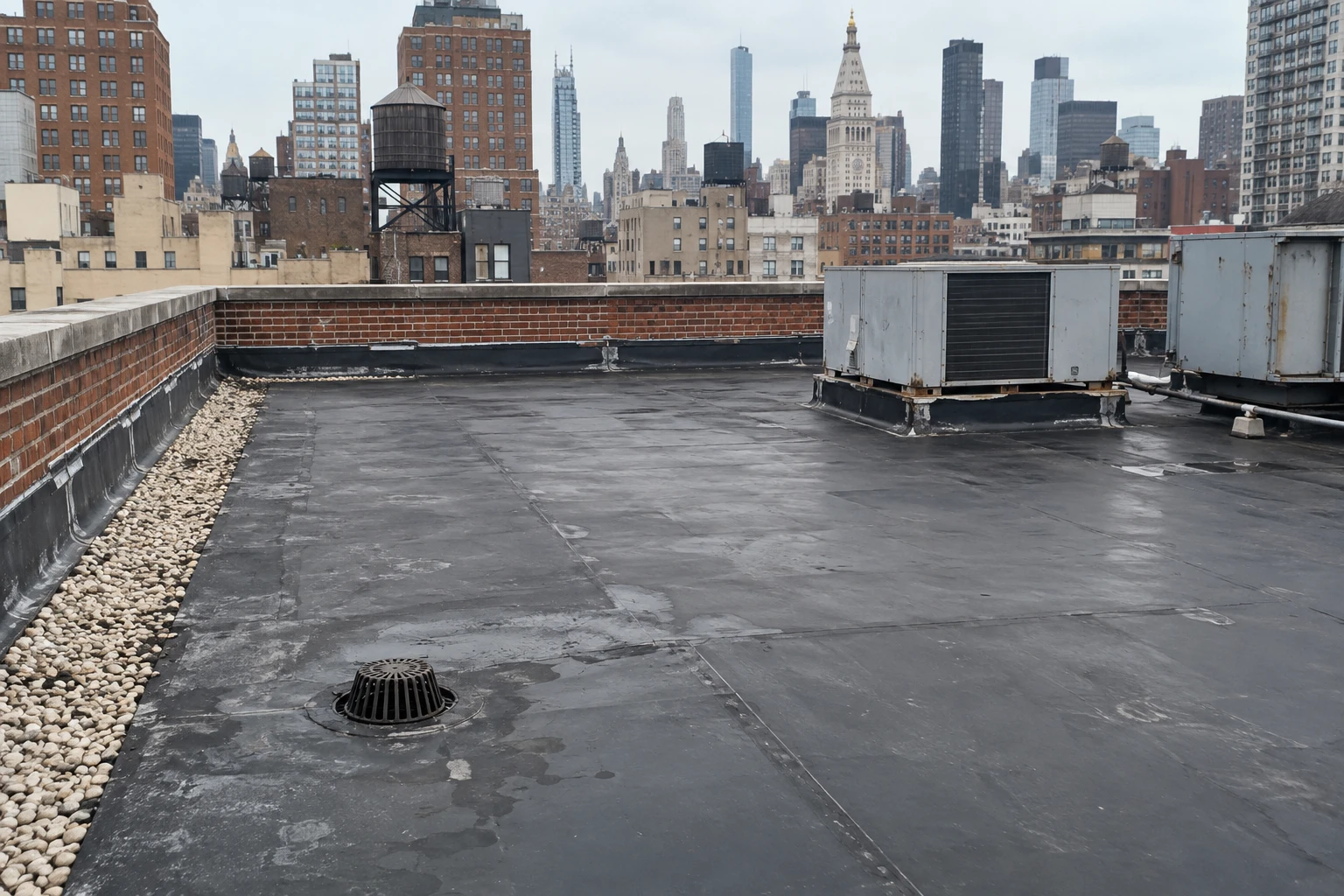
Seven feet of elevation and a town area that is 10.96 percent water make drainage and flood exposure a roof question in Secaucus, as well as a matter for the ground around the buildings. A distribution roof with weak drainage ponds, and standing water over racked goods is a loss. Ponding depth is measured, leaders are flushed and overflow openings are checked. A ponding water repair restores slope, and a drain and scupper upgrade adds capacity. A photograph of the roof after any heavy rain is worth keeping.
Winter gives drains a second test. Snow averages 29.8 inches a year in Central Park, with a 27.3 inch record on January 23, 2016. Meltwater on a wide flat roof moves slowly, refreezes at night and can ice a drain shut, so leaders and scuppers are inspected before the first freeze and ice is cleared from inlets after storms, keeping meltwater from backing up behind a parapet and finding its way over the dock.
Which roof systems suit a distribution building?
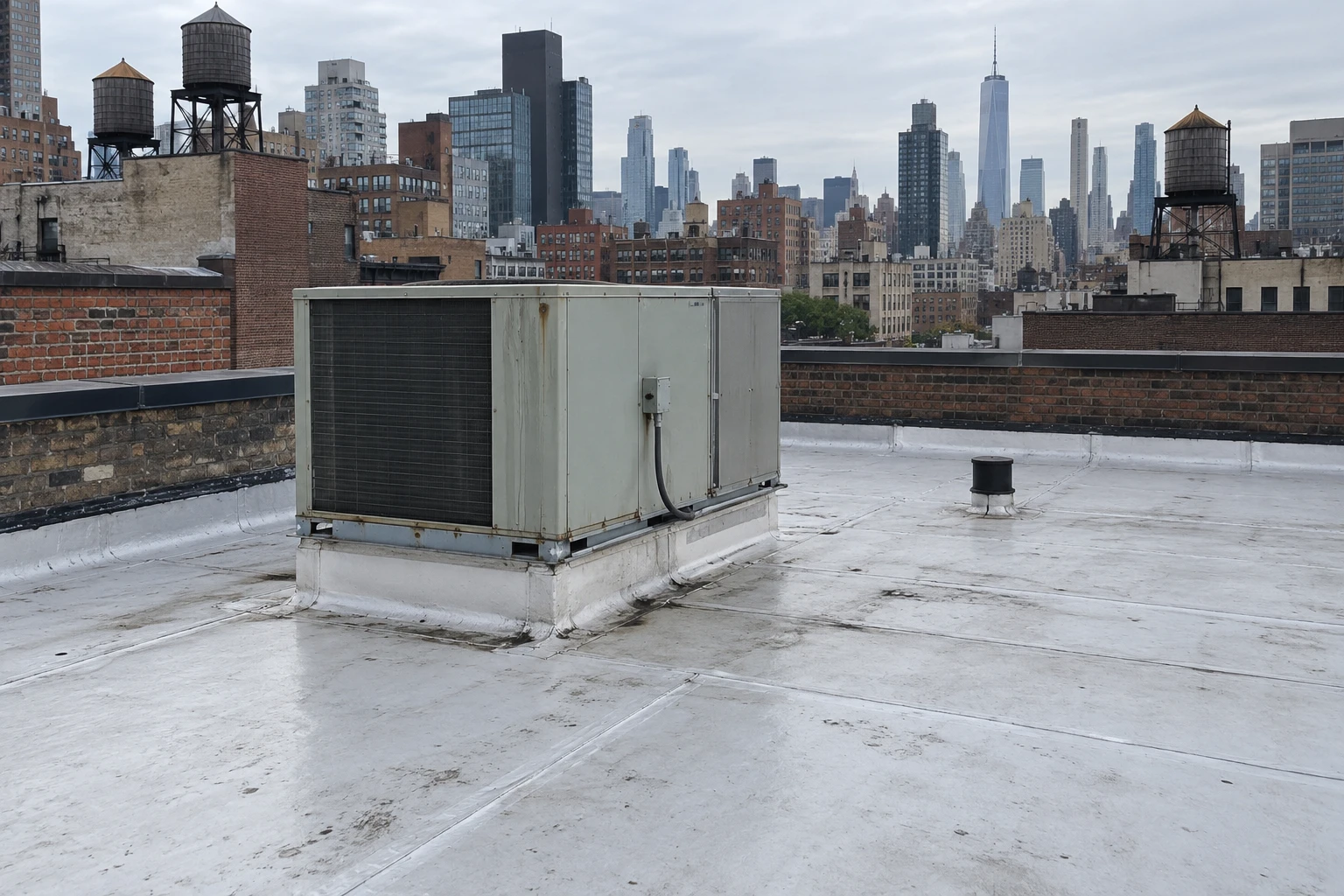
Large, low-slope roofs with few penetrations suit single-ply membranes. TPO roofing is often chosen for its reflectivity and heat-welded seams, and EPDM roofing has a long service record on wide roofs. Mechanically attached systems go down quickly and keep the building operating, while adhered systems resist flutter in high wind. Deck, wind exposure and budget make the call.
Dock levelers, exhaust and smoke vents add penetrations that need good flashing, and any rooftop solar has to be coordinated with the membrane. Inside the city, a replacement also brings Local Laws 92 and 94 of 2019, which direct the sustainable roofing zone to solar, a green roof or both. Buildings in New Jersey follow their own state rules, and the applicable code is confirmed at the survey, which also yields a recommendation building by building.
How does a multi-site operator run a roof program?
A multi-site program opens with a rated survey of every roof, sets a maintenance calendar and ranks capital needs. Each site gets the same report format, so the operations office reads them side by side, repairs follow the ranking and leak calls from any site go to one number.
A multi-site roof programs approach also lets an operator negotiate leases with the roof record in hand. A tenant renting from a warehouse landlord can document the roof as it stood on move-in day, which heads off arguments about damage later. For buildings serving Jersey City and the tunnels, the program includes post-storm visits, and operators who also run store deliveries may share the record with the retail and restaurant chains they serve. Ratings are updated yearly.
The insurer reads these records too. Cargo and property coverage come with questions from the carrier about roof condition, especially after a loss. A dated moisture map and maintenance log show that the roof was watched and separate sudden damage from wear. The set is kept in a form the risk manager can send on request and is refreshed after every storm visit, so the file always reflects the current roof.
Commercial Roofing Questions
At what point does repair stop paying in a working warehouse?
When the wet share of the insulation, the frequency of leaks over stock and the membrane's remaining life all point the same way. Once repairs cost more than the service life left, replacement is cheaper, and the core log and moisture map supply the numbers.
What happens to the project if peak season arrives early?
Open sections are dried in and the work pauses. A phased plan closes one section at a time and protects the inventory, though the better course is usually to schedule around the peak.
How are racked goods protected under an open section?
The stock under each section is located and covered where needed, and the work area stays small. If the roof opens over sensitive product, it is moved or shielded before the crew starts.
Who responds to a leak at night in a 24-hour facility?
The emergency line answers around the clock. The area is dried in, the goods below are protected and the cause is documented before a permanent repair is scheduled.
What does the closeout file hold?
Photographs, the core log, materials used, warranty paperwork and a condition rating for the finished roof, all of which support the next lease, claim or sale.