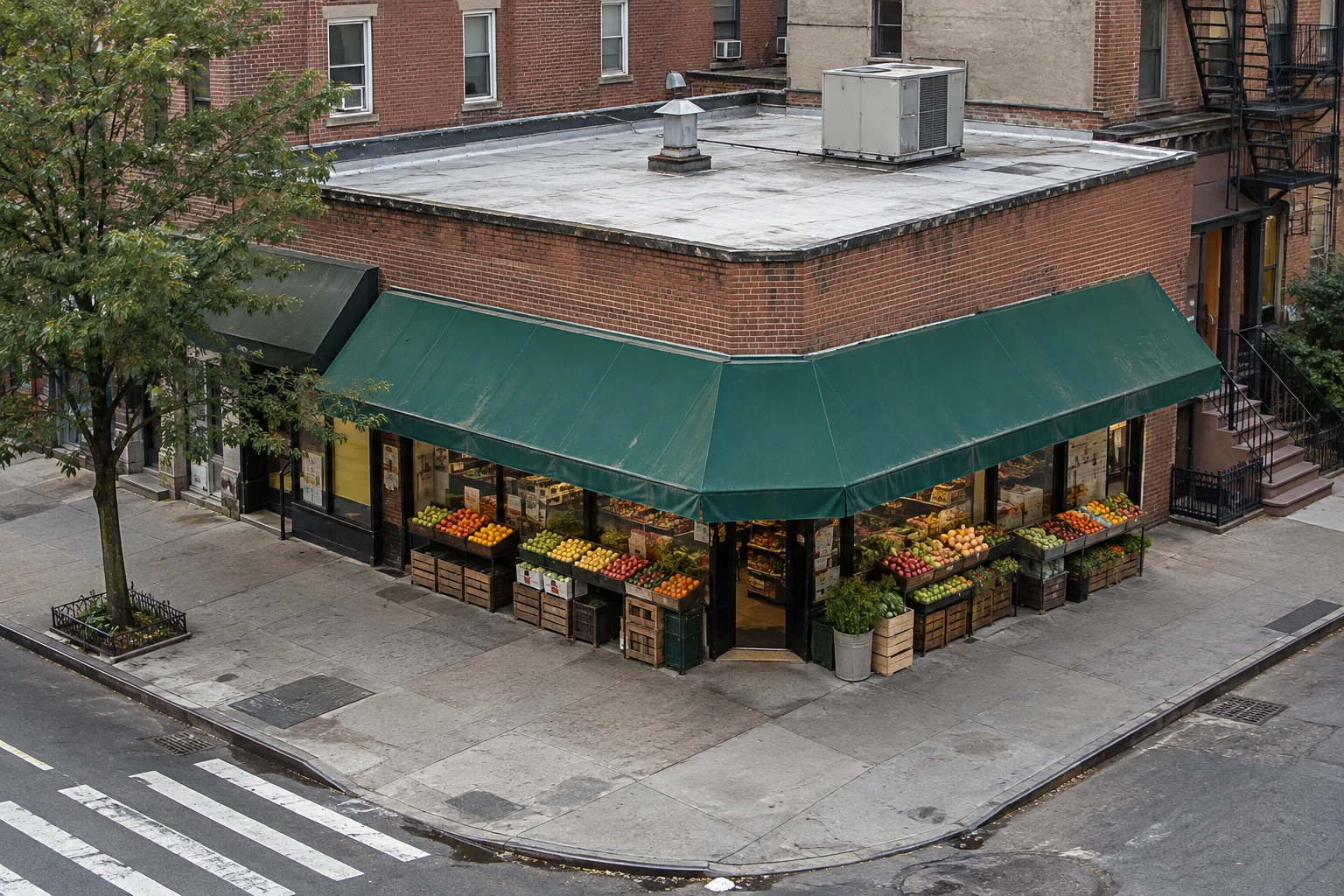
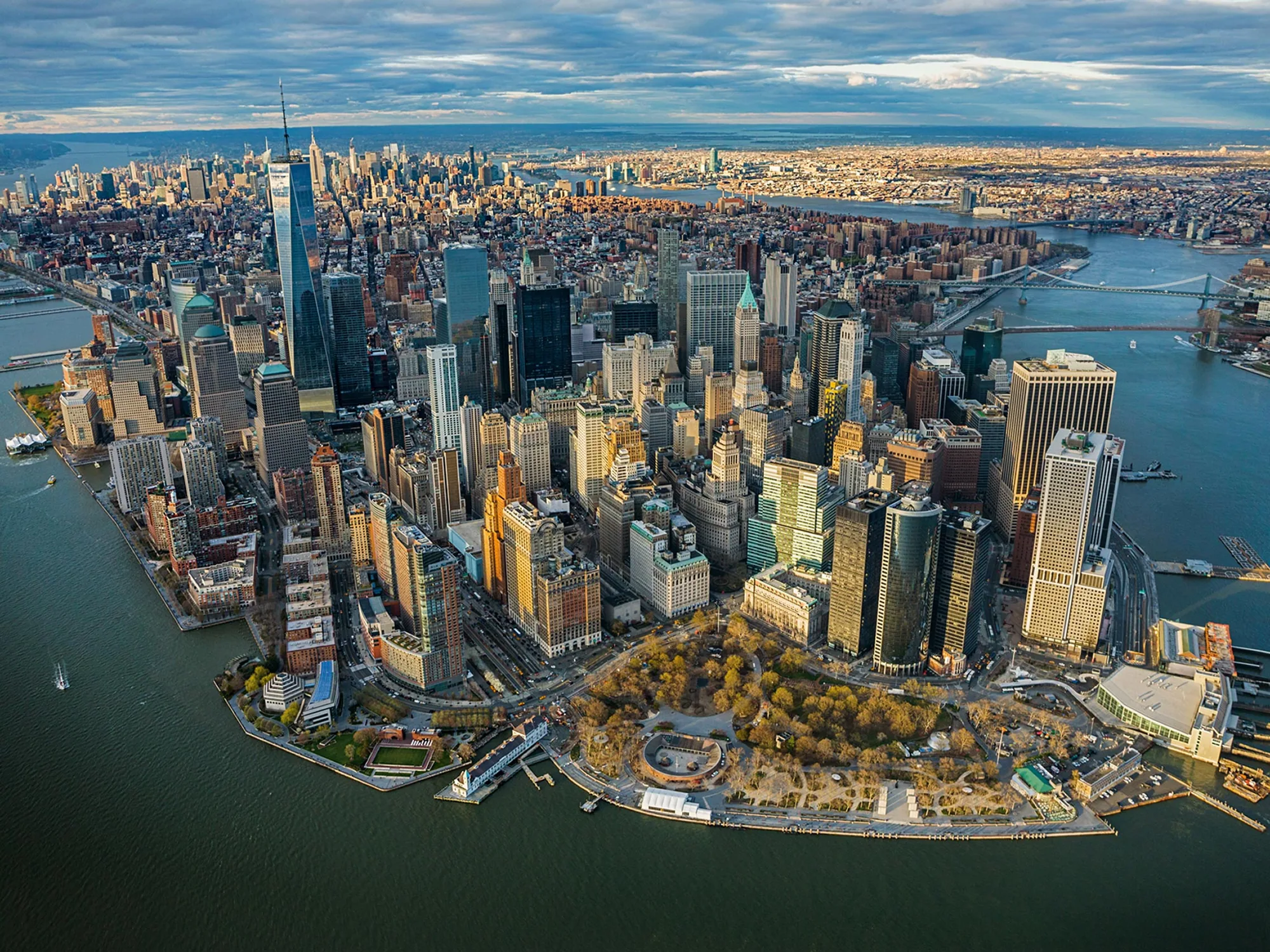
Grocery store roofing in Manhattan, NY and nearby New Jersey: refrigeration equipment surveys, line protection, repair and replacement around store hours.
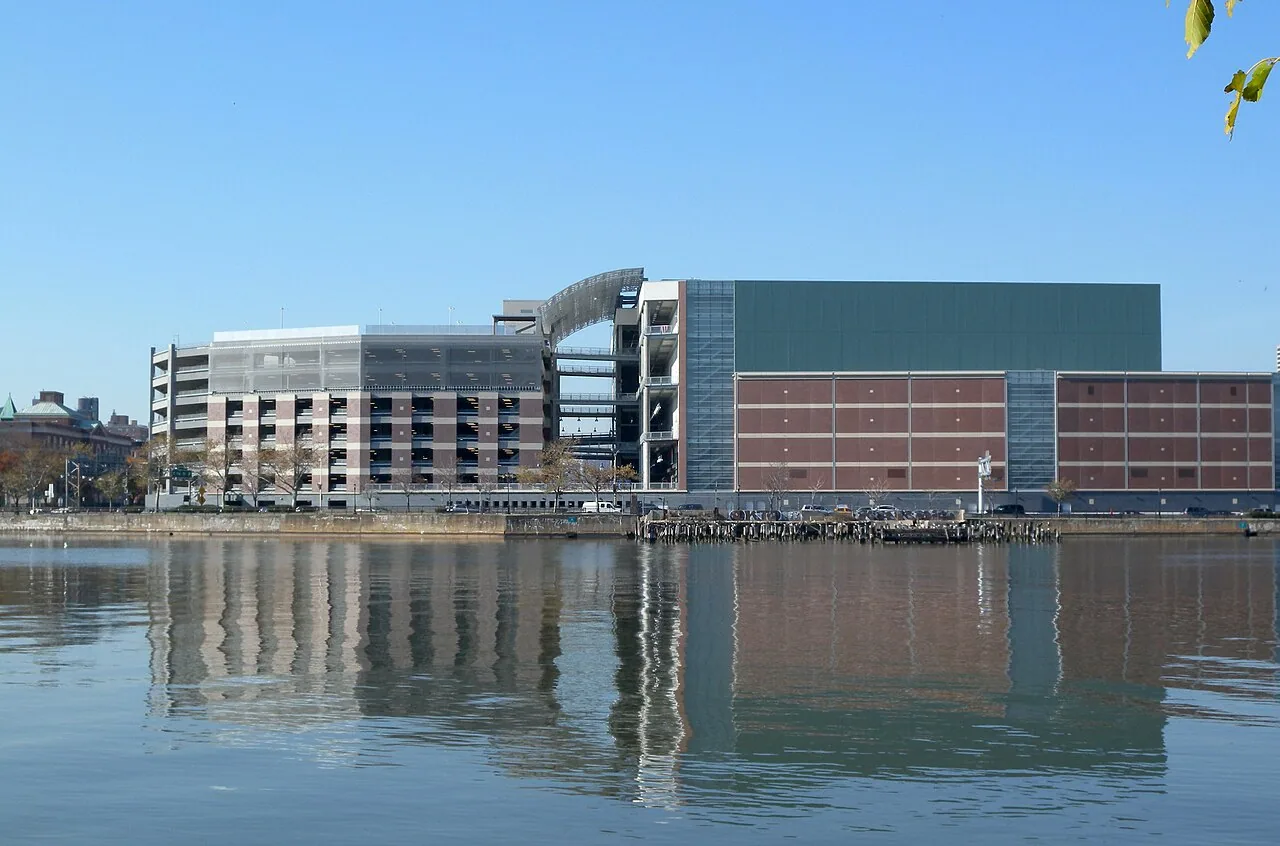
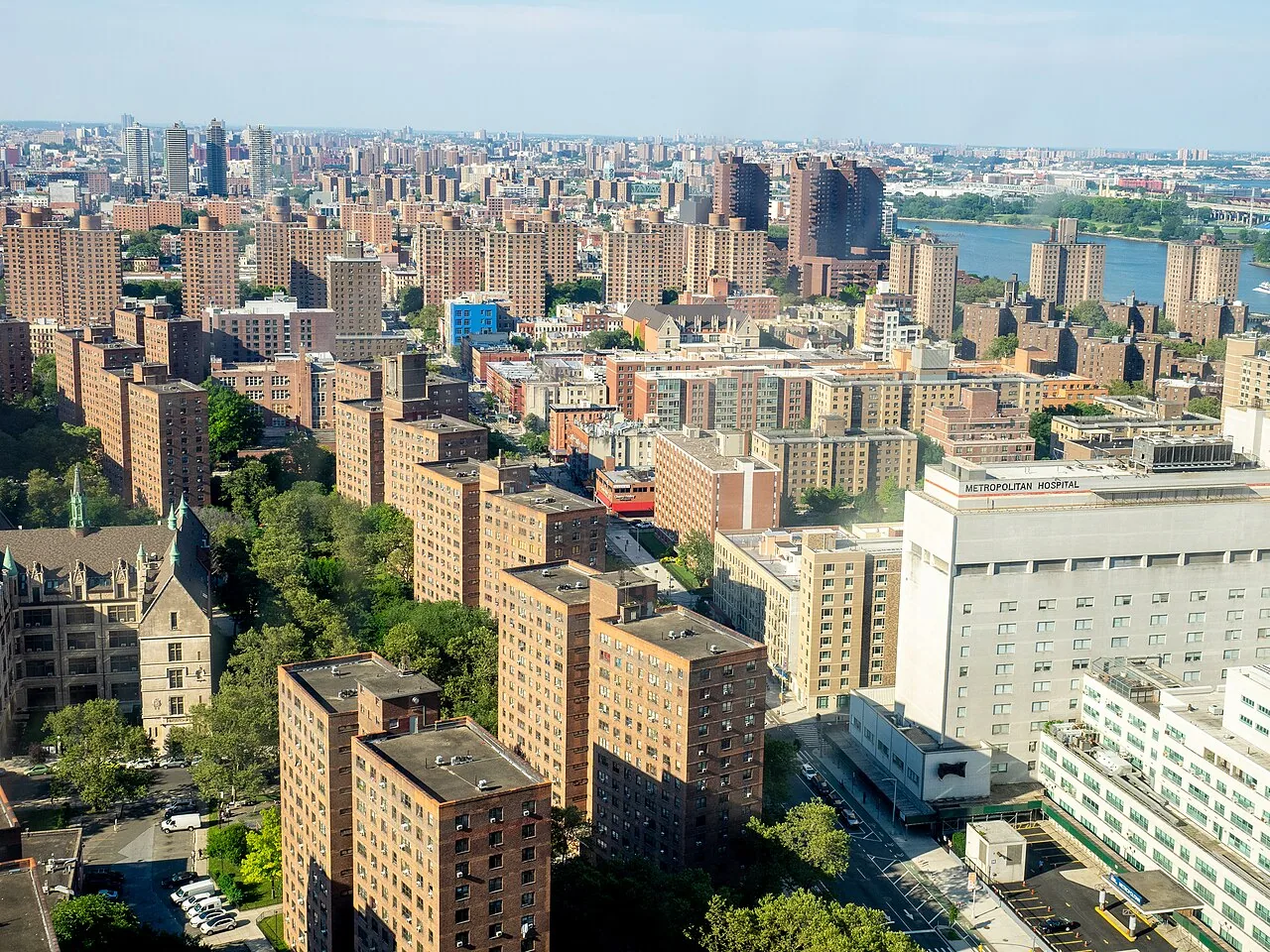
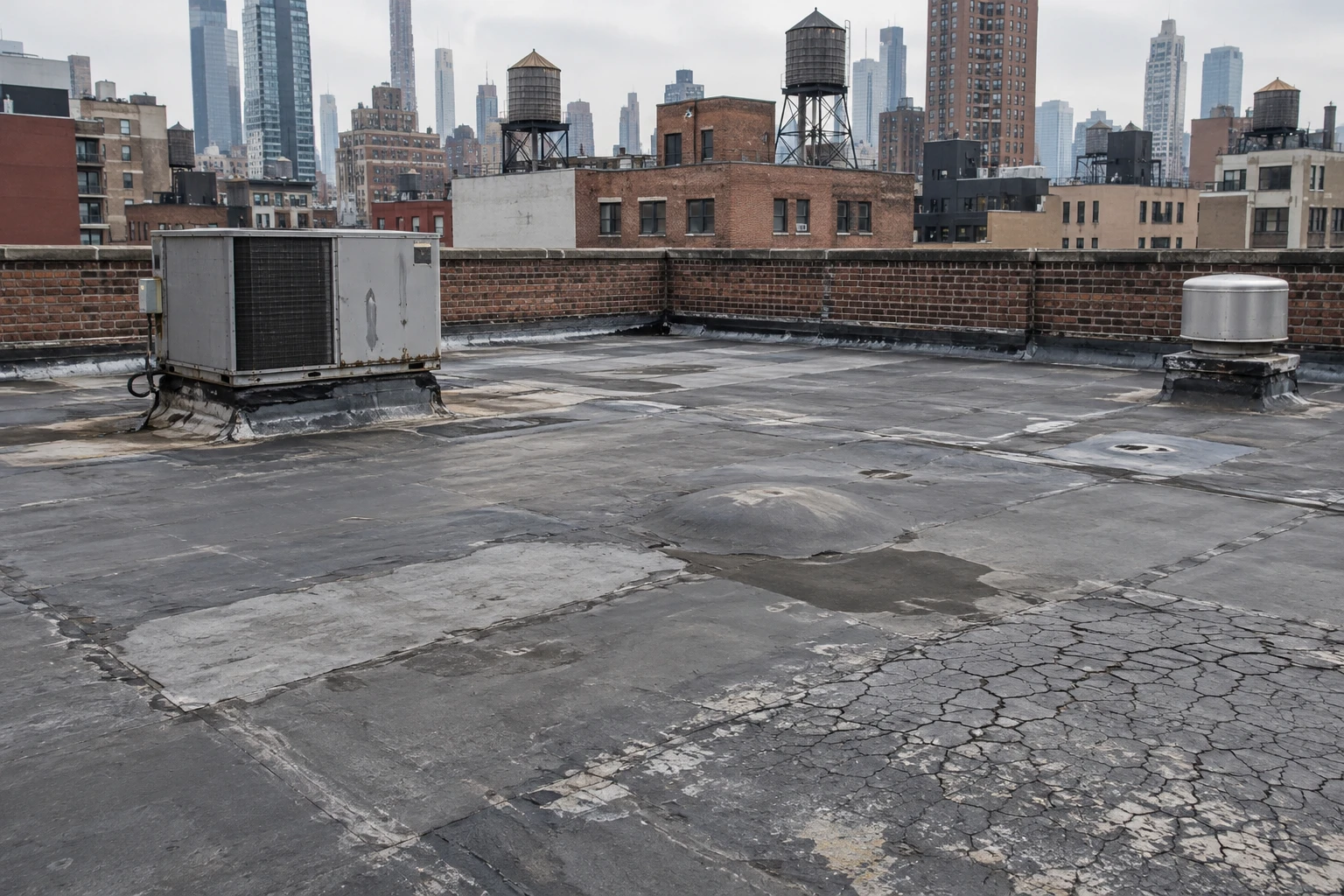
The first core on a grocery roof is cut beside the refrigeration condensers, because that is where the sheet works hardest, and the second is cut well away from the units so the two can be compared. Heat from the condensers softens the surface and shortens the life of seams and flashings nearby, while refrigerant lines, condensate drains and electrical conduit cross the membrane on their way to the units. A leak in a grocery store is also a food-safety event: product under a wet ceiling may have to be discarded, and the aisle closes until the ceiling is dry. East River Plaza at East 117th Street and the FDR Drive in East Harlem has housed an Aldi grocery store since 2010, and the same questions apply there as to any store in Manhattan, NY or across the Hudson.
We survey, repair and replace grocery roofs. Start with the last roof report, the age of the building and any open violations; the survey scope and condition rating follow before any price.
What does the survey check around refrigeration equipment?
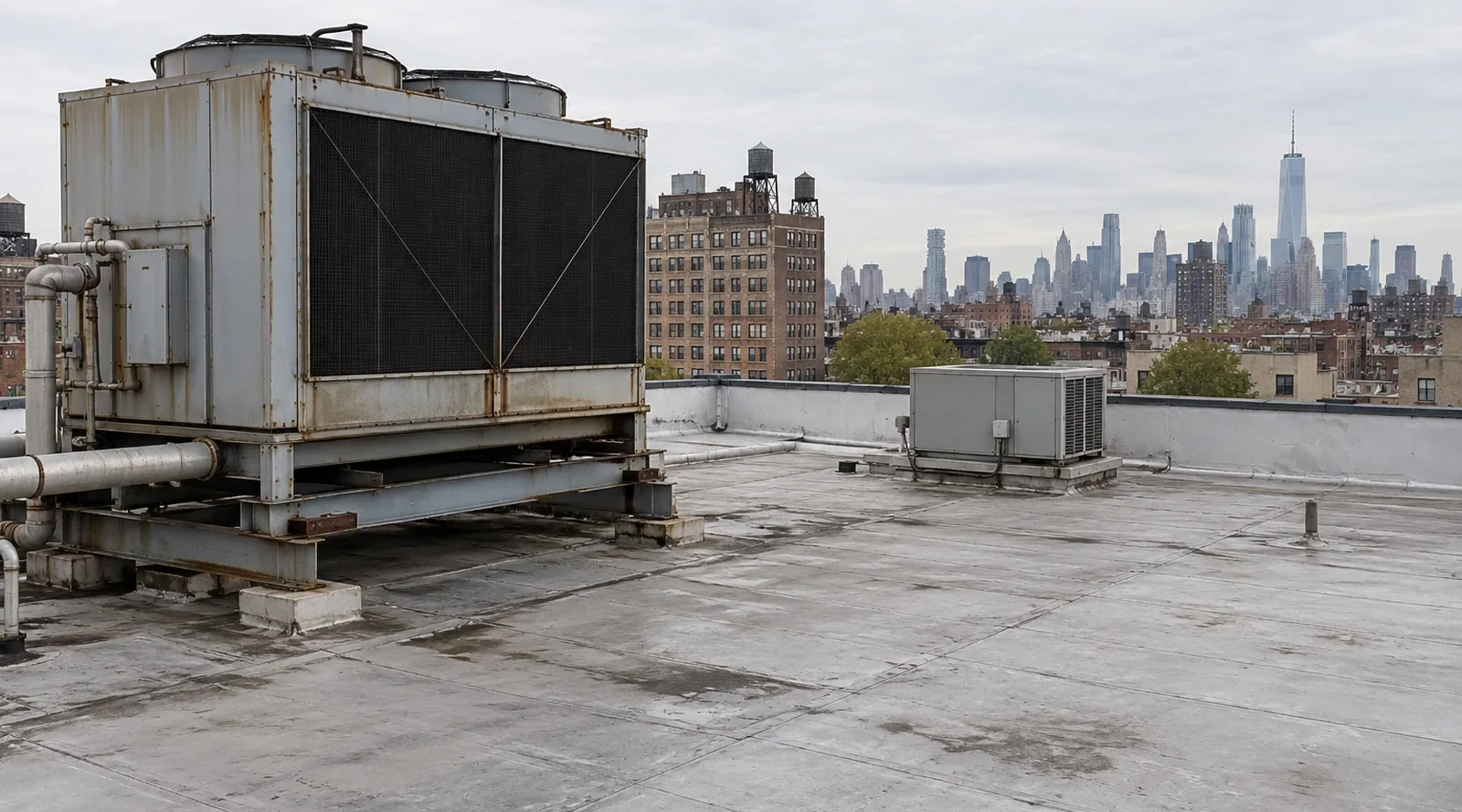
Condenser curbs and platforms, line penetrations, conduit supports, condensate drains and the membrane beneath all of it. We probe the flashing at each penetration, check the sealant and look for lines resting on seams. A refrigerant line that rubs a seam through a season of vibration is a small defect that costs a large amount if it reaches the insulation below.
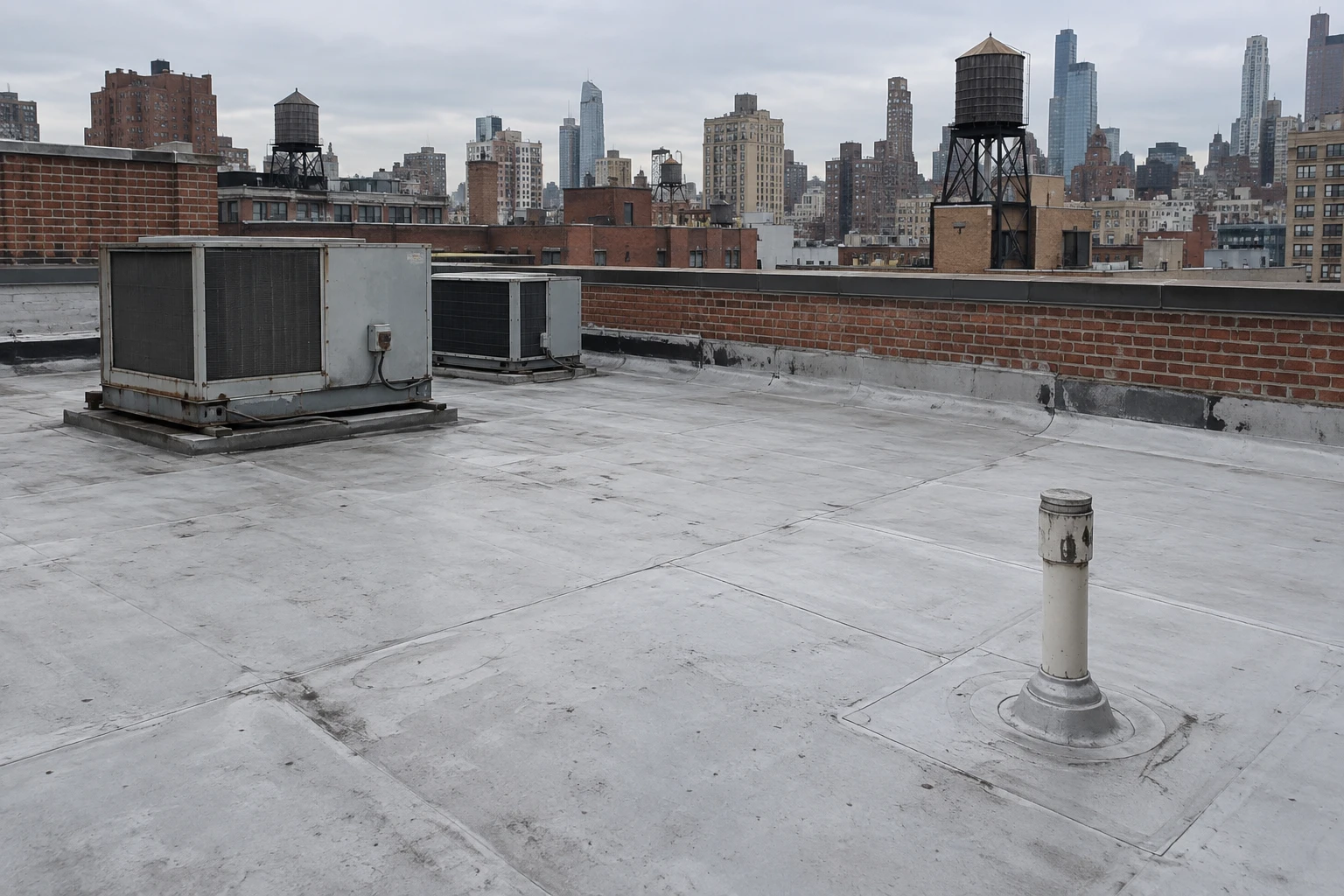
We list each piece of equipment on a sketch with its curb, its flashing and its condition. A condenser that has been swapped for a larger unit often sits on a curb built for the old one, with the flashing trimmed to fit, and the gap between the two is where water enters. We measure each curb against the unit it carries and mark mismatches for rebuilding before the next summer's load. The condensers' exhaust warms the sheet, so a heat-resistant membrane may suit the area around them. A PVC membrane resists the oils and grease from nearby kitchen exhaust, which matters where a store includes a prepared-food counter. The rating records which zone needs which material.
How do cold rooms and freezers change the assembly?
A grocery store with walk-in coolers or freezers has a cold zone beneath part of the roof. Moist air moving toward the cold space condenses inside the insulation, and a vapor retarder slows that movement. A pierced retarder gives vapor a path, and ice builds in the insulation. Cores taken over the cold zone show whether the insulation is dry and whether the retarder is intact.
The requirements resemble those of a cold storage roof, at smaller scale. Any new penetration over the cold zone is sealed from both sides, and the location is logged with a photograph. Refrigeration contractors add and move lines during a remodel, and the roofer should hear about it first. A short call before the saw comes out is cheaper than a core cut and a repair two years later. If the roof is replaced, the retarder, the insulation and the membrane go down in a defined sequence, and the cold zone is dried in first. The survey identifies which parts of the roof sit over which rooms.
How does the work proceed while the store trades?
The store stays open. Roof work is exterior, loud steps run early, and entrances and delivery docks are protected. Materials arrive in the hour before opening, and a spotter watches the lot during every lift. Receiving hours matter, since a grocery store takes deliveries through the early morning, so the crane and the trucks do not share the same dock.
Inside, sheeting goes under the work zone over sales aisles and backroom areas. A named contact at the store can stop a task if a delivery or an inspection requires it. If a leak develops over product, the first visit applies a temporary seal and the permanent repair follows in dry weather. The store's manager receives a one-page note with the cause, the location and the time, and that note goes into the store file along with the photographs, so a district office can see the history of each roof in the chain. A big box store follows a similar plan, with a different receiving schedule.
What do storms, heat and flood mean for a grocery roof?
Hurricane Ida on September 1, 2021 brought a record 3.15 inches of rain in one hour, 7.13 inches in Central Park, and the first flash flood emergency the Weather Service ever issued for New York City. When Sandy hit on October 29, 2012, power failed everywhere in Lower Manhattan south of 39th Street, and The Battery saw a surge 14.06 feet over average low tide. Power loss means lost product in a grocery store, so the roof lesson is anchorage for condensers and drainage that survives an extreme hour.
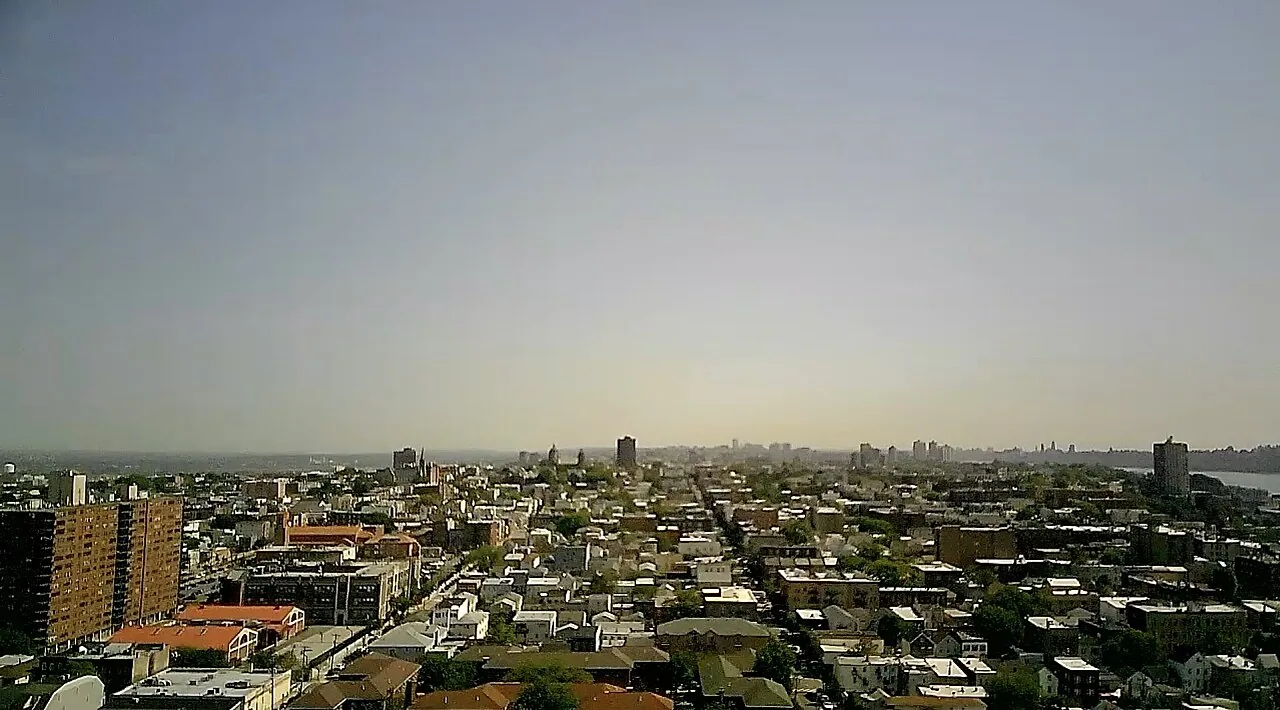
Summers in Central Park have reached 106 F, and winters average 29.8 inches of snow. Condensers work hardest in the heat, and drifts build around platforms in winter. We check leaders, overflows, curbs and anchorage after every major storm. Union City, where Bergenline Avenue is the main commercial corridor and density leaves little room to stage materials, and East Harlem both call for a staging plan before the first delivery.
Which rules shape a grocery roof replacement in New York City?
The 2022 NYC Construction Codes, with their building, existing-building and energy parts, govern a replacement. Under Local Laws 92 and 94 of 2019, solar, a green roof or both must cover the sustainable roofing zone whenever a store roof is replaced in full. With condensers crowding the roof, the real question is layout: which equipment can move, which cannot and where the zone falls.
Zone, equipment and structure get mapped together before design starts. Whether a repair or a partial recover avoids the rule is part of what the report states. Our roof condition report lists each requirement and the reserve it needs, so a chain's facilities group can plan across stores.
Commercial Roofing Questions
What decides whether a leaking grocery roof is repaired or replaced?
The extent of wet insulation, especially over cold zones. Local wet spots at a penetration can be cut out and rebuilt. Widespread saturation or a pierced retarder across a cold zone means replacement. The core log and infrared map give the proportion.
What happens to product under a roof leak?
The store decides, usually following food-safety rules. Our role is to find the entry point, stop the water and document the cause and the time. A dated report helps with an insurance claim and with the store's own records.
Can condensers be moved or replaced during a roof project?
Yes, with planning. We coordinate with the refrigeration contractor so lines are not damaged, the curbs are rebuilt before the units are set and the flashing is installed once. The lift and the roofing sequence are written together.
How are rooftop refrigerant lines protected from the membrane?
They sit on supports that lift them off the sheet, and walk pads protect the routes technicians use. Lines resting directly on seams are lifted and the worn spot is repaired. We record each support in the roof log.
What should a chain keep on file for each store roof?
The condition rating, moisture map, core log, equipment list and a sketch of penetrations. With the same format at every store, roofs can be ranked and funded in order. We deliver one package per store.