Restaurant roofing in Manhattan, NY: grease and heat exposure surveys, exhaust fan flashing and membrane choices planned around service hours.
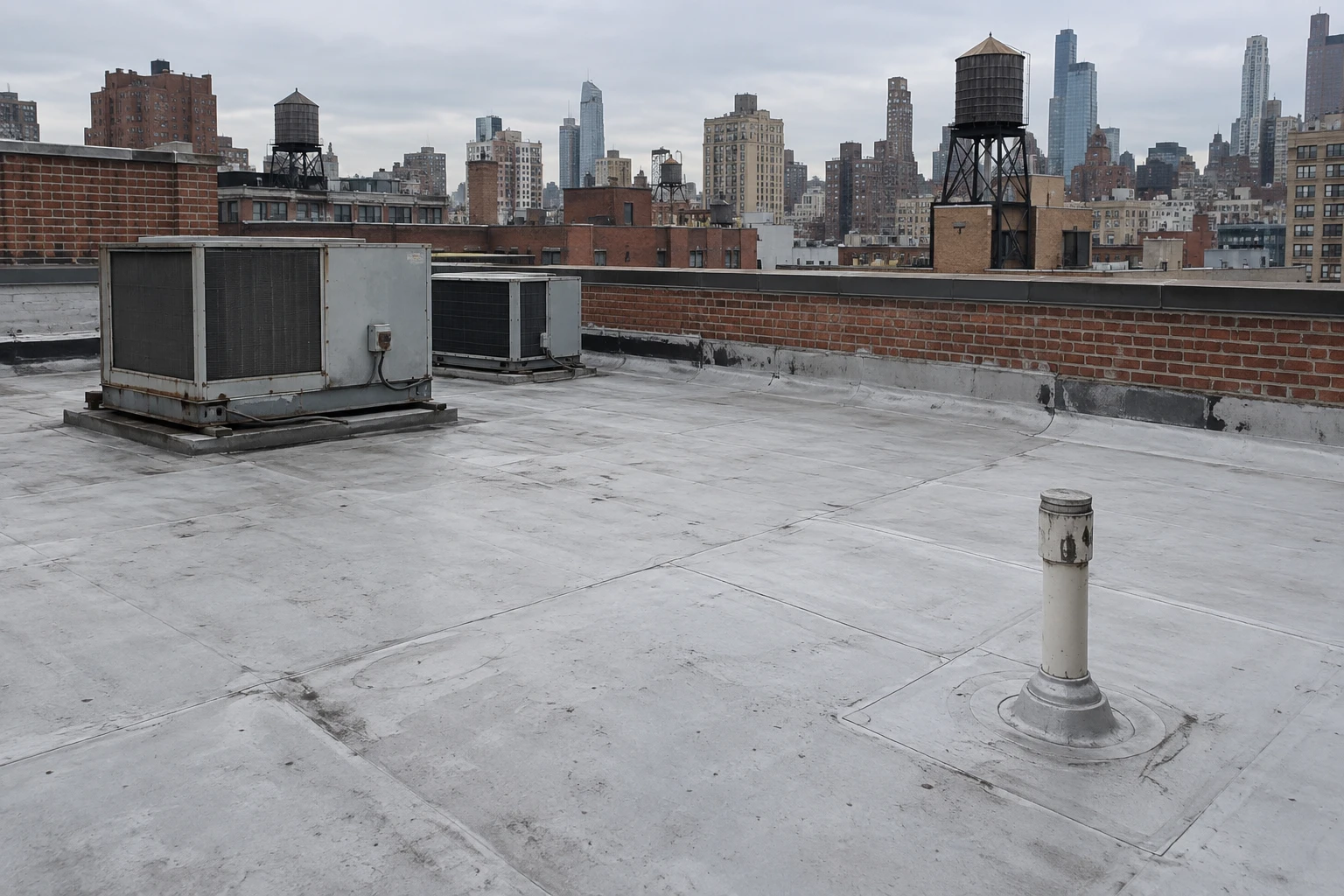
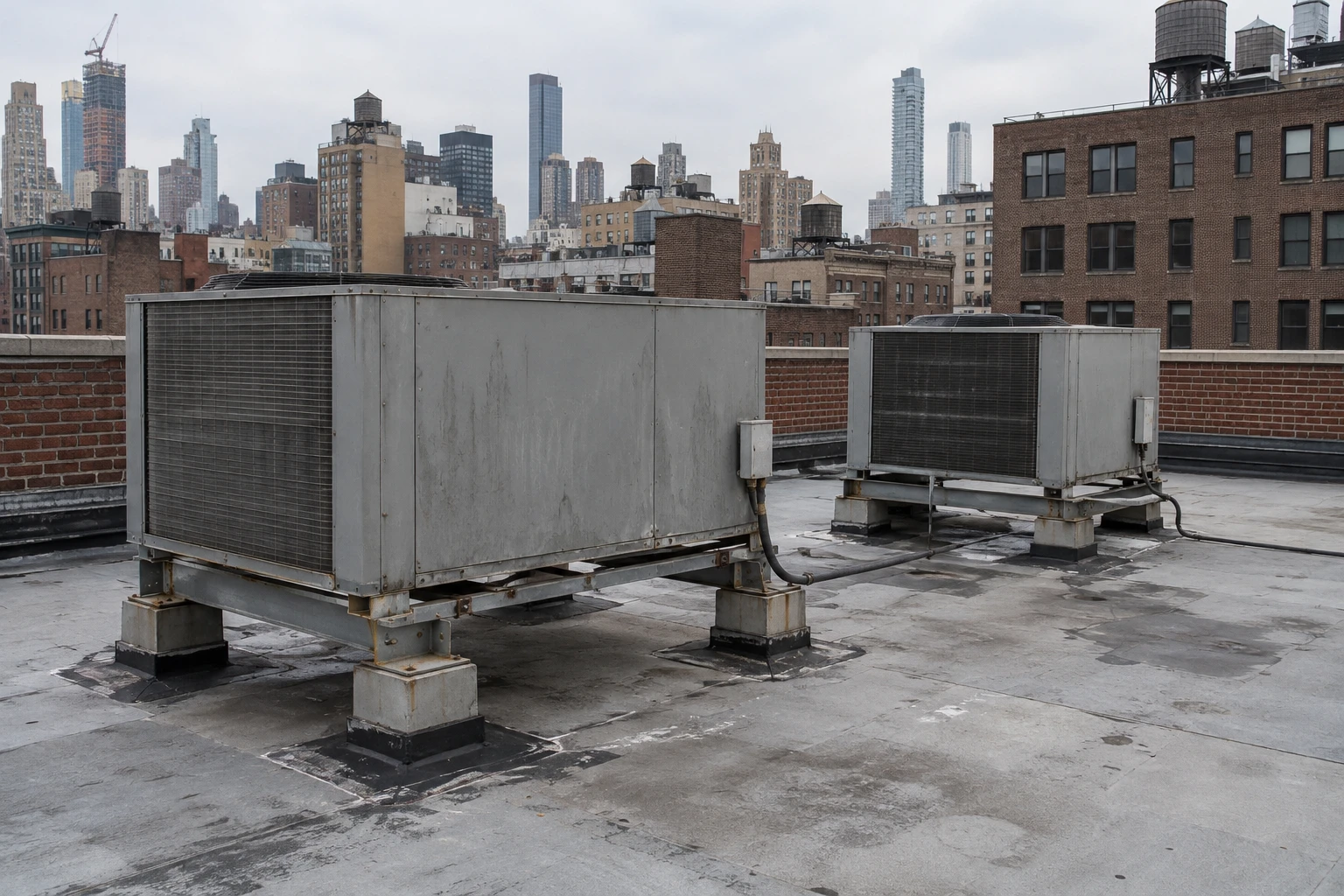
The membrane around a kitchen exhaust fan usually reads differently from the rest of the roof: a dark, slick film on the surface, a softer feel underfoot and a core that shows the sheet thinner there than anywhere else. That pattern is the finding that decides a restaurant roof, because the roof is a working surface for the kitchen below. Exhaust carries grease, heat and moisture onto the membrane, and a sheet chosen for dry weather alone degrades near the fan long before the rest of the field. In Manhattan, NY a kitchen exhaust and a roof often share the same few feet, whether on the restaurant and bar strip along Third Avenue in Murray Hill or along Broadway and Amsterdam Avenue on the Upper West Side, which runs from 67th to 110th Street.
We survey, repair and replace roofs over restaurants. Exhaust locations and service hours matter most, so the survey starts there, and scope and rating are set before any price.
Why does grease change the membrane choice?
Grease softens many roofing sheets. The film also traps dirt and holds heat against the surface, and in summer the combination shortens seam life. PVC and KEE membranes resist animal fats and vegetable oils better than a standard sheet, which is why they are the usual choice near kitchen exhaust. A PVC membrane or a KEE sheet can be limited to the exhaust zone, with a lower-cost system on the quiet field.
We map the discharge points, cut cores at the worst spots and at control points, and record the membrane thickness. A thickness map, with the thinnest readings nearest the fan and the thickest at the control point, is the clearest evidence an owner can hold when deciding whether to repair a zone or replace the sheet, and it is easy to repeat a year later to see how fast the loss is running. A grease trap or a filter upgrade on the fan reduces the load, and routine cleaning of the roof surface near the fan extends the sheet's life. The rating records which zone needs which material and how often it should be cleaned.
What do the fan curbs and penetrations need?
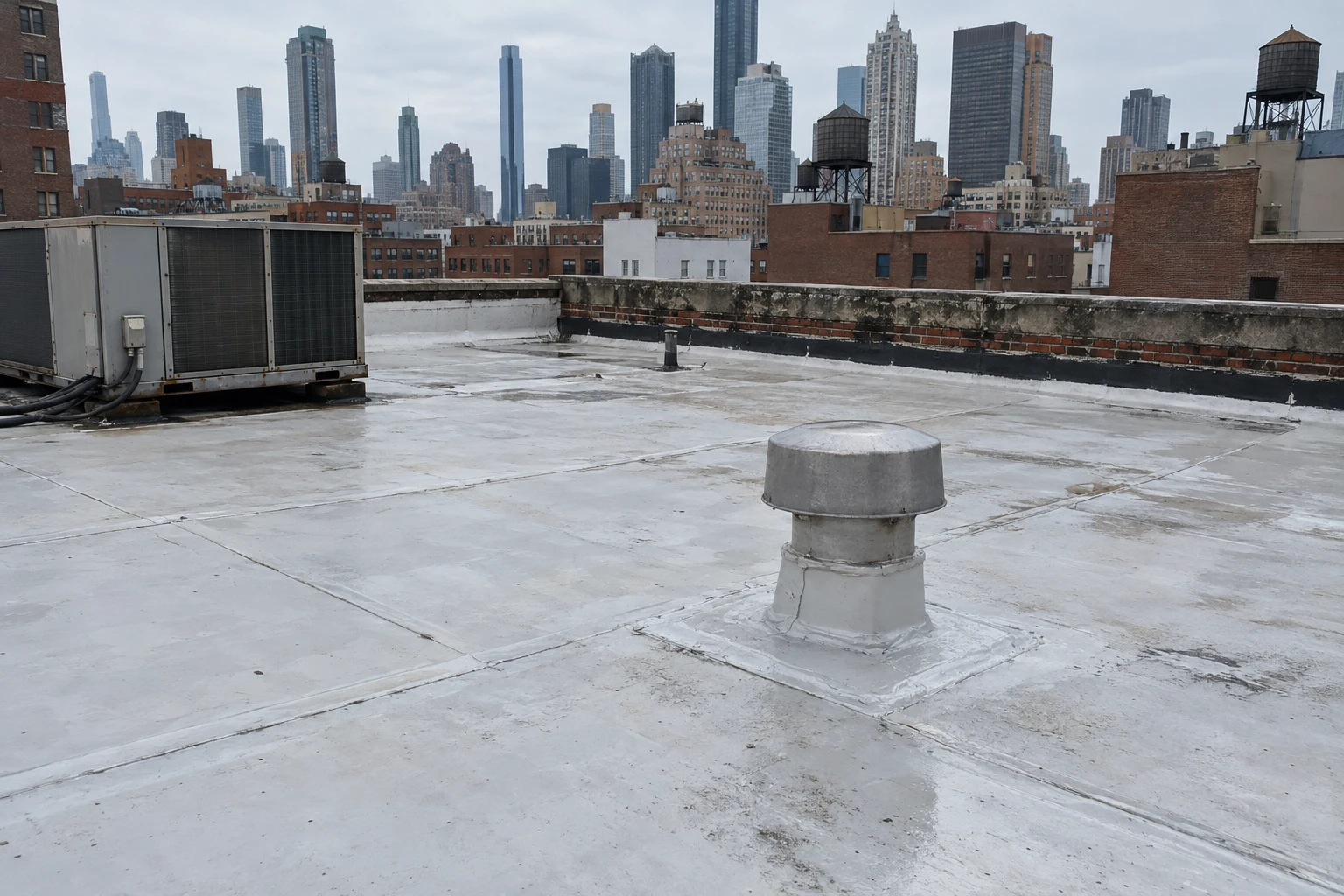
An exhaust fan sits on a curb, and the curb has a flashing that sees heat, vibration and grease. Over time the sealant dries, the flashing cracks and the curb settles. A fan replaced during a kitchen renovation often arrives on a curb built for the old unit. We measure the curb against the fan above it and rebuild the flashing before the next hot season.
Other penetrations matter too: gas lines, makeup air intakes, pipe vents and electrical conduit. Each gets a boot or a flashing sized to the pipe. Each item in the rooftop equipment curbs and supports scope is photographed and rated on its own. Walk pads protect the routes the exhaust cleaning crew takes, since a cleaner who drags equipment across the sheet scuffs it. Hoses, buckets and ladders all leave marks, and a ladder foot on an unprotected membrane can punch through a thinned zone. A pad at the ladder landing costs little and keeps the cleaning visit from becoming the next repair.
How is work scheduled around service hours?
A restaurant opens at certain hours and has deliveries at others. Roof work is exterior, so the dining room stays open, and loud steps run in the morning before service or on the day the restaurant is closed. We protect the exhaust intake and the kitchen make-up air from dust and fumes, covering them when the work is nearby. The general manager or the chef serves as the named contact with authority to halt a task when a delivery or an inspection demands it.
In the dense blocks of Manhattan, staging a crane or a hoist needs a permit and lead time. On Third Avenue in Murray Hill, where the strip is busy with restaurants and bars, we schedule lifts for early morning and keep the sidewalk clear. Hot work needs its own permit, and in a restaurant with gas and grease, the fire watch is longer. We coordinate with the kitchen so the gas is off at the roof shutoff during any torch or welding step, and the watch stays until the surface is cool to the touch and the exhaust has been checked. The plan names the permit, the watch and the stop rule.
What do storms and heat do to a kitchen roof?
Ida's rain on September 1, 2021 reached 3.15 inches in a single hour, the heaviest the city had recorded, and 7.13 inches in Central Park by the end of the day; the Weather Service's flood emergency that night was the first of its kind for New York City. A leader that falls behind leaves water standing against the fan curb and the parapet. Central Park swings from minus 15 F to 106 F, averages 29.8 inches of snow a year and sits under a strong urban heat island.
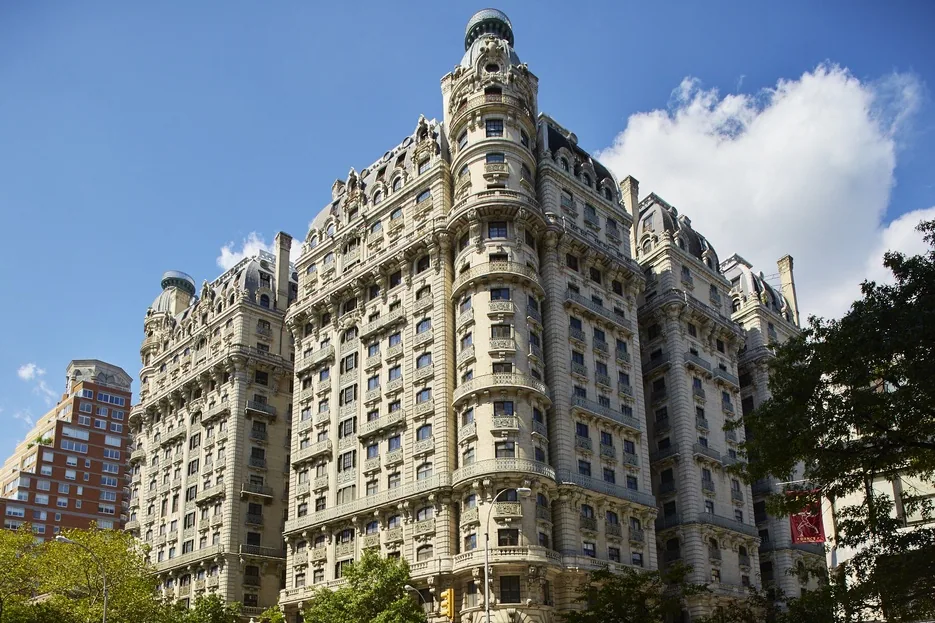
The roof over a kitchen takes that weather plus the heat of the exhaust. We check leaders, scuppers and overflow heights, then edge fastening and flashings. After a heat wave, we look for seams that lifted in the afternoon and lay flat at night. For Broadway in the Upper West Side, where restaurants and bars line the avenues, the survey includes the parapets and copings of a prewar stock that was largely built between 1885 and 1910.
Which rules apply to a restaurant roof replacement?
Replacing a restaurant roof means working to the 2022 NYC Construction Codes, which add an Energy Code and an Existing Building Code to the Building Code. Local Laws 92 and 94 of 2019 add a sustainable roofing zone requirement to any new building, enlargement or full replacement, met with solar, a green roof or both. On a small restaurant roof holding a fan, a make-up air unit and a gas line, the layout study settles what fits.
The zone and the equipment are mapped before design is fixed, and the report says whether a repair or a partial recover stays clear of the rule. A hotel with a restaurant, or a shopping center with several, gets the same grease map for each exhaust point, and the retail and restaurant chains that run many sites use one format for all.
Commercial Roofing Questions
What decides whether the whole roof needs a grease-resistant membrane?
The extent of exposure. If grease reaches only the area around the fan, a resistant sheet there and a standard sheet elsewhere is sound. If exhaust is spread across the roof, or several kitchens vent onto it, a resistant sheet across the field is safer. The core thickness map shows where the damage is.
How often should a kitchen roof be cleaned?
As often as the buildup requires, usually on a schedule tied to the exhaust cleaning visits. A film that holds dirt shortens the sheet's life. We set the interval from the survey and record it in the maintenance calendar.
What protects the kitchen from dust and fumes during roof work?
Loud steps run before service, and the exhaust and make-up air intakes are covered while work is nearby. Hot work is limited to hours and areas agreed with the manager and the fire watch, and a day of closure can simplify the noisiest tear-off.
Who is responsible for the roof over a leased restaurant?
The lease decides. We provide a dated report with photographs, the cause and the location of the leak, which the tenant and landlord can use to apply the lease. The report also shows whether the cause is a roof defect or an equipment issue.
What if the fan is replaced and the roof starts leaking afterward?
Check the curb. A new fan on an old curb with trimmed flashing is a common cause. We inspect the curb, rebuild the flashing and test the repair. In future, report the change to the roofer before the fan is set.