Roof surveys for acquisitions and refinancing in Manhattan, NY: core logs, infrared maps, immediate-repair lists and replacement cost ranges.
The roof line in an acquisition model is often a single number, and the survey is the work of finding out whether it is the right one. A buyer has a contract period, a lender has a closing date and the seller has a roof whose last report may be years old. In that window, a due diligence survey measures: infrared scan, cores, ponding depths, a detail inspection and a written rating, delivered in time to renegotiate or to reserve. In Manhattan, NY, where roofs are small, hard to reach and heavily regulated, the survey also checks what a full replacement would trigger, because Local Laws 92 and 94 of 2019 attach a solar or green roof duty to the sustainable roofing zone of any full replacement.
We survey roofs for purchases, refinancings and sales. The latest roof report, the building's age, any open violations and the closing timeline are enough to set the survey scope ahead of any price.
What does a due diligence survey cover on a short clock?
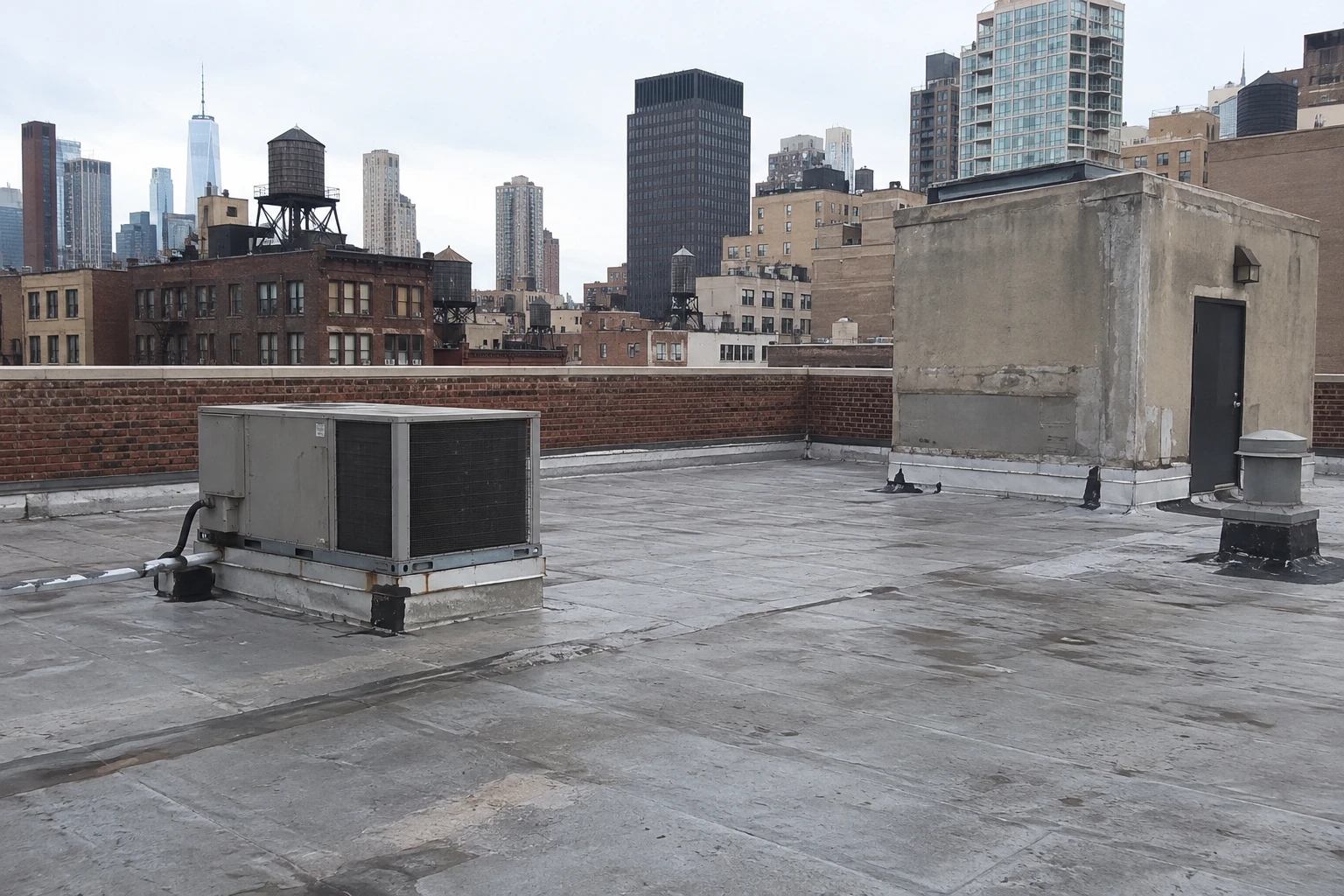
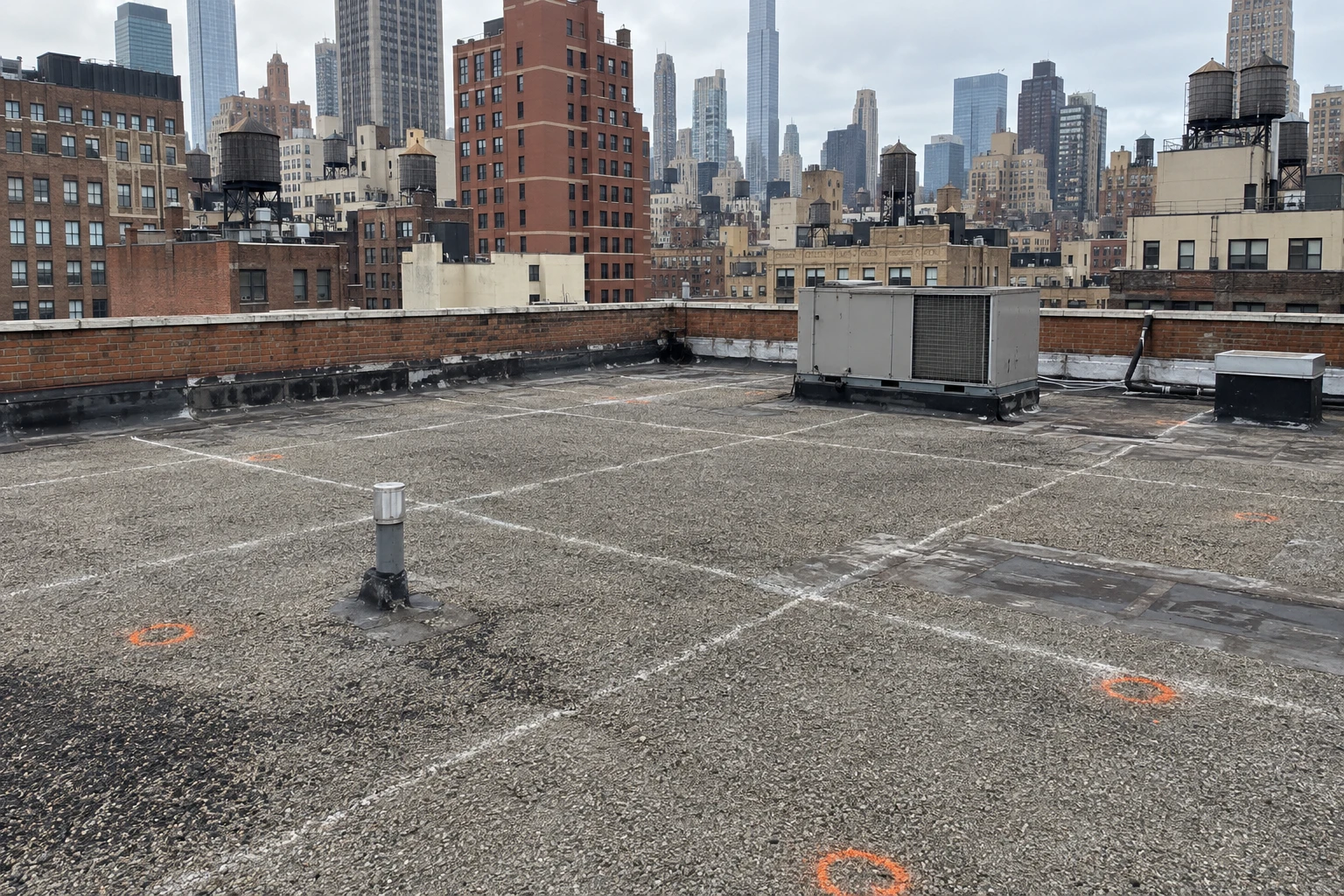
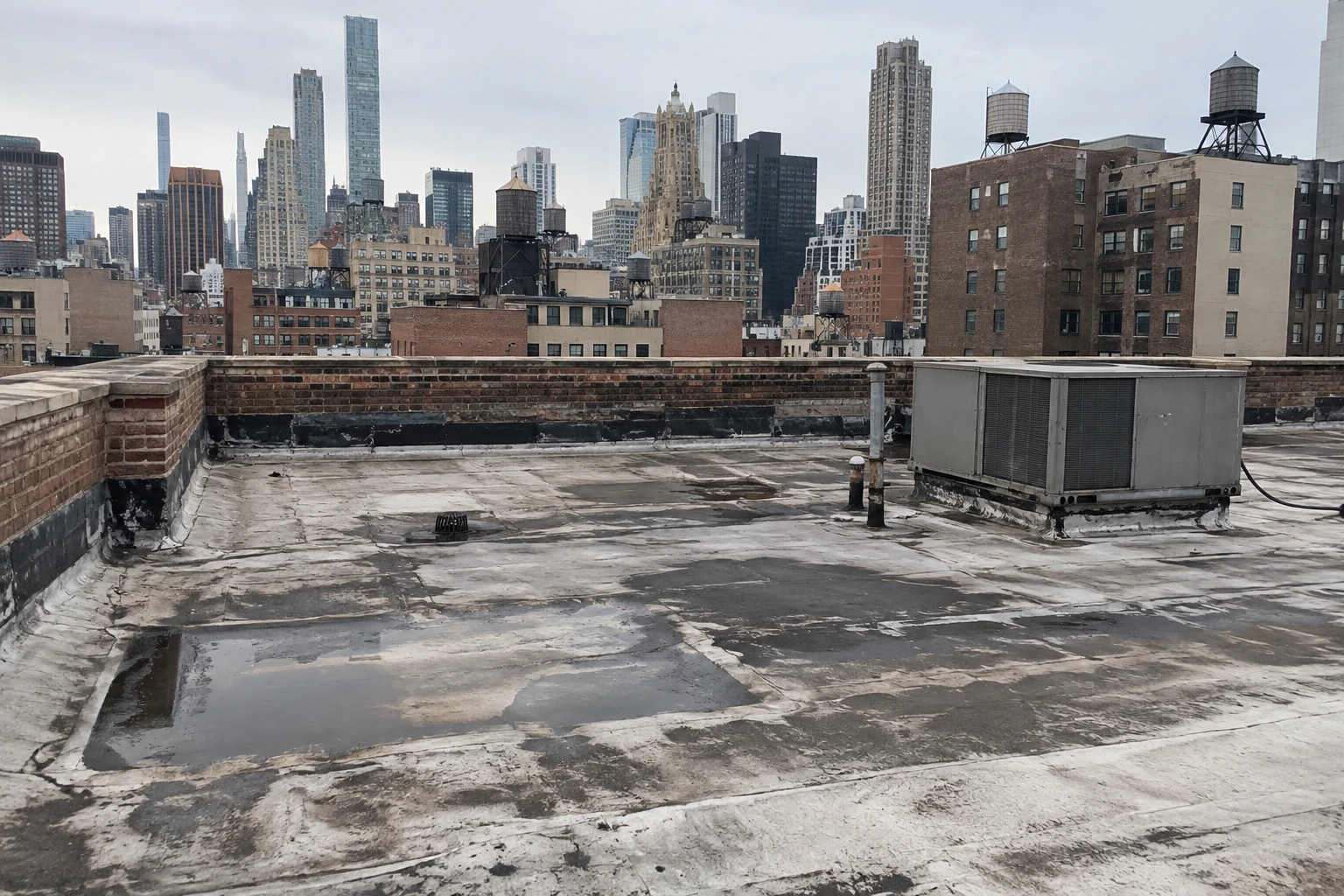
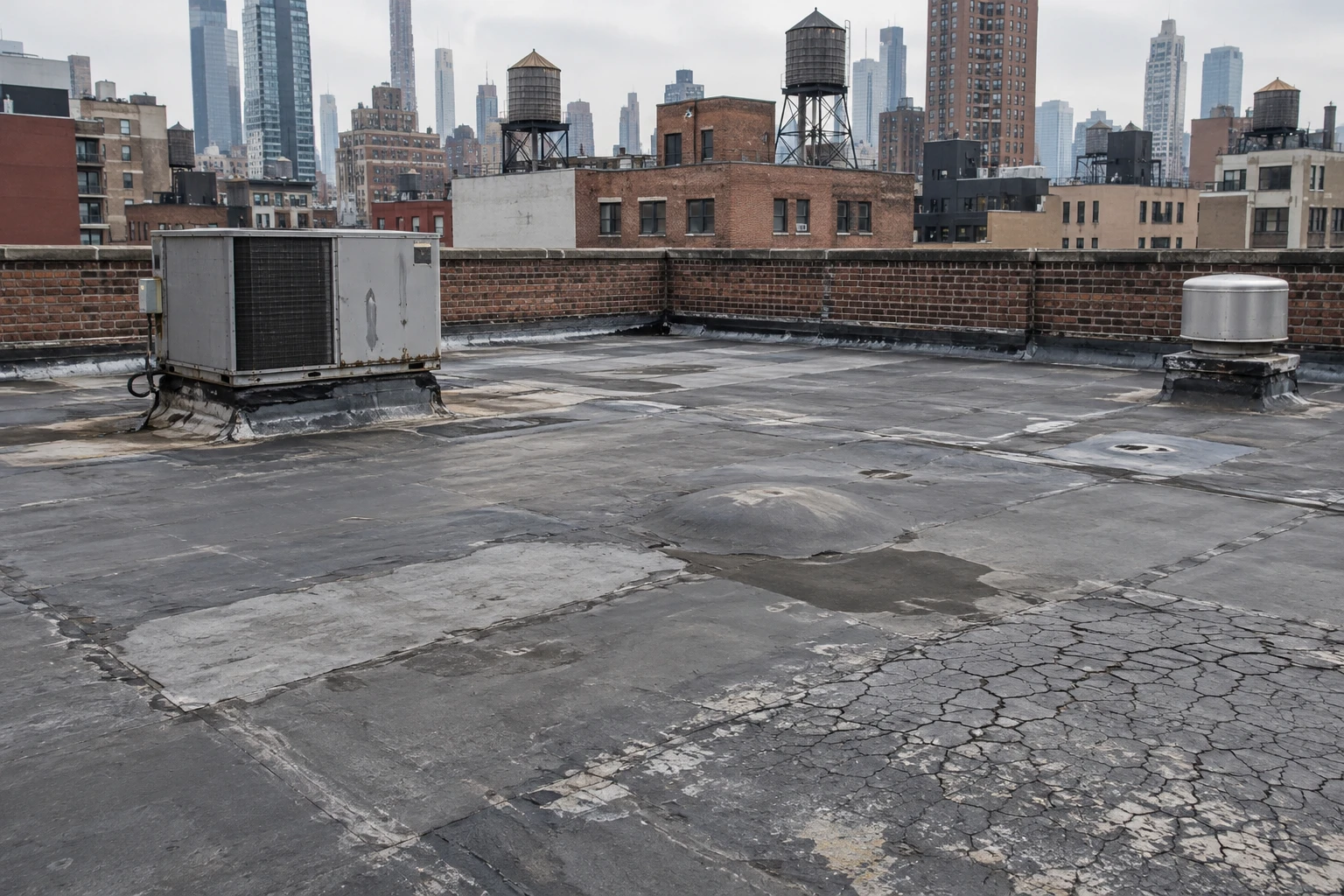
Access first. We coordinate with the seller or the property manager for a roof visit within the first days of the contract period. An infrared scan at dusk maps warm zones. Cores at those zones and at control points show wet and dry insulation. Ponding depth after rain shows slope failures; if no rain falls in the window, we use a hose test at the low spots. A detail inspection covers bulkhead bases, coping, curbs and leaders. A drone overview fills in what the walk cannot reach.
The deliverable is a report with a rating for each roof, a list of immediate repairs, a list of items for the first two years, a replacement date range and cost ranges for each. The immediate list is the one that matters at the closing table: it states what must be fixed now and what it costs. The rest feeds the model's reserve line. We format the cost ranges so an analyst can drop them into a spreadsheet: one row per item, a low and a high figure, a year, and the assumption behind each. Where the range is wide because a core could not be cut, the row says so, and the analyst can choose the high figure for conservatism or the low one for a base case.
Which findings change a deal?
Wet insulation across a large share of the field, because replacement then falls inside the hold period. Failed bulkhead flashing over occupied space, because leaks will start in the first season. Structural deflection under ponding, because the cost reaches beyond the roof. Open violations tied to the roof, because they can block permits. And a mismatch between the warranty file and the roof, because a promised coverage may not exist.
The survey also surfaces good news. A roof the seller described as at the end of its life may have dry insulation and a sound membrane, and a coating or targeted repairs may extend it for years. A report that shows this gives the buyer room to move on price or to skip a replacement from the model. It also protects the seller, who can hand a prospective buyer a dated survey at the start of marketing and answer roof questions with evidence instead of age. In either direction, the finding comes with a core log and an image, so counsel and the lender can see the evidence.
What does the survey add on older office stock being converted?
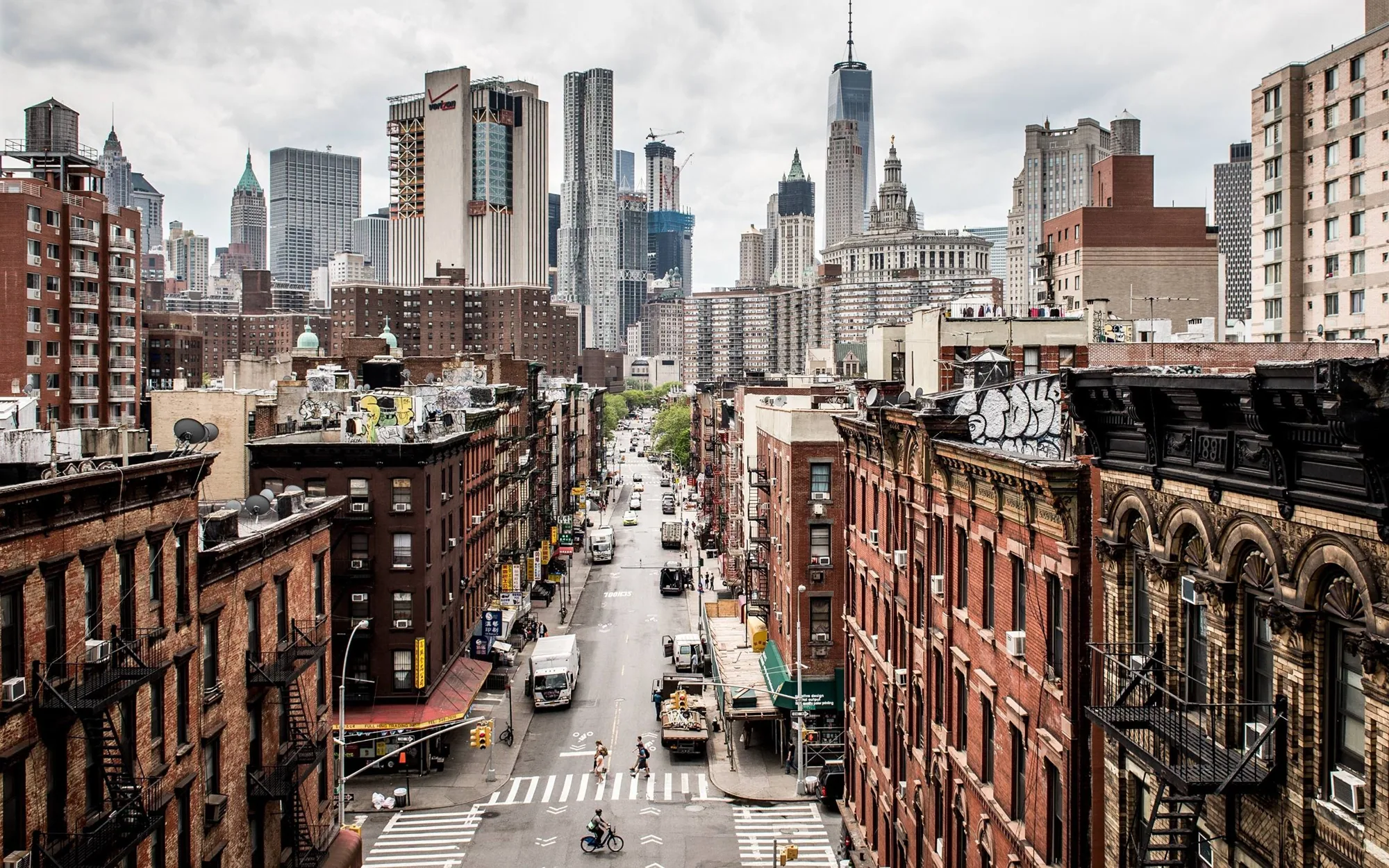
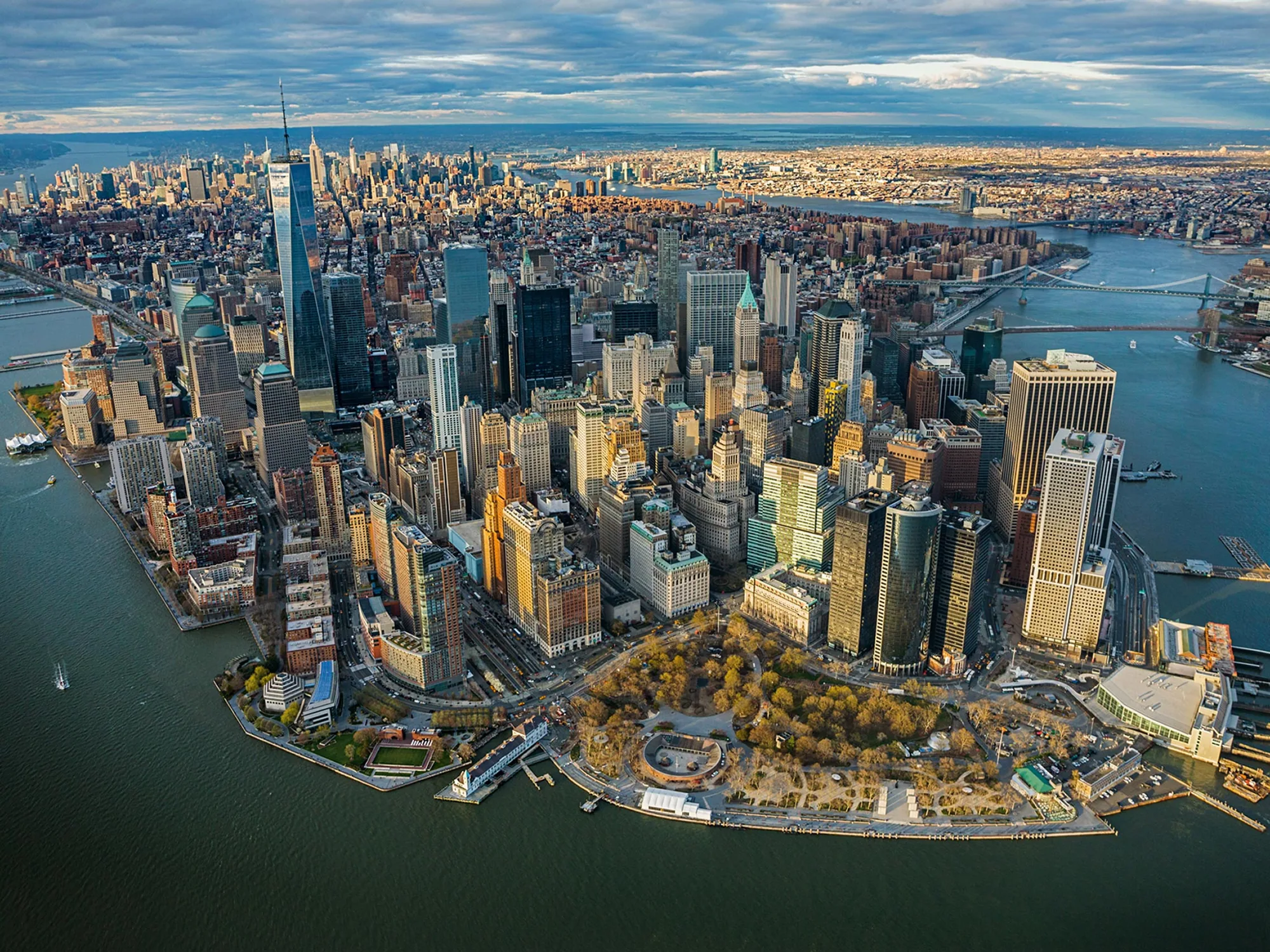
Nearly 200 Financial District buildings changed to residential use between 2013 and 2021, a shift that often brings roof and envelope work to older office stock. A conversion buyer needs to know what is under the membrane before the architect draws the terraces and mechanical layout. The survey maps wet zones, observes the apparent condition of the structure and notes where parapets, bulkheads and roof levels limit the design.
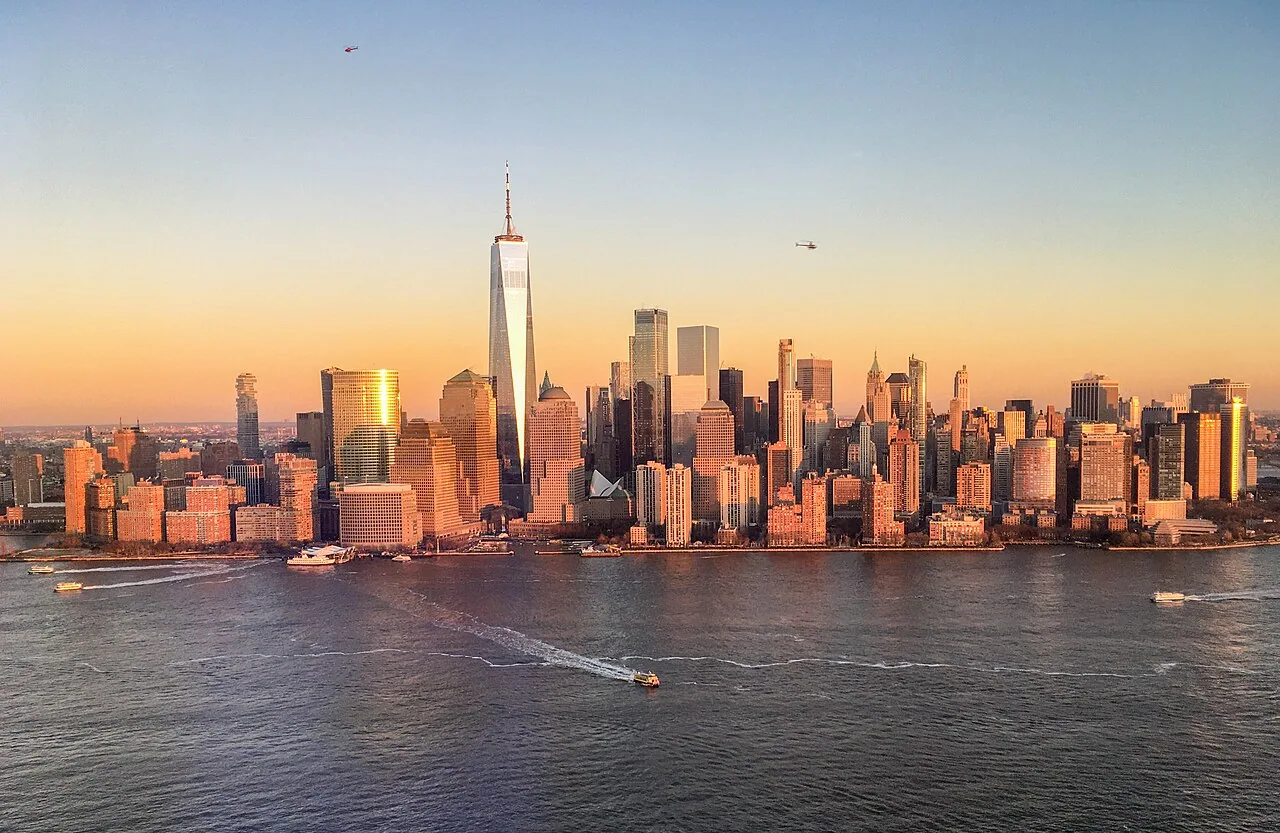
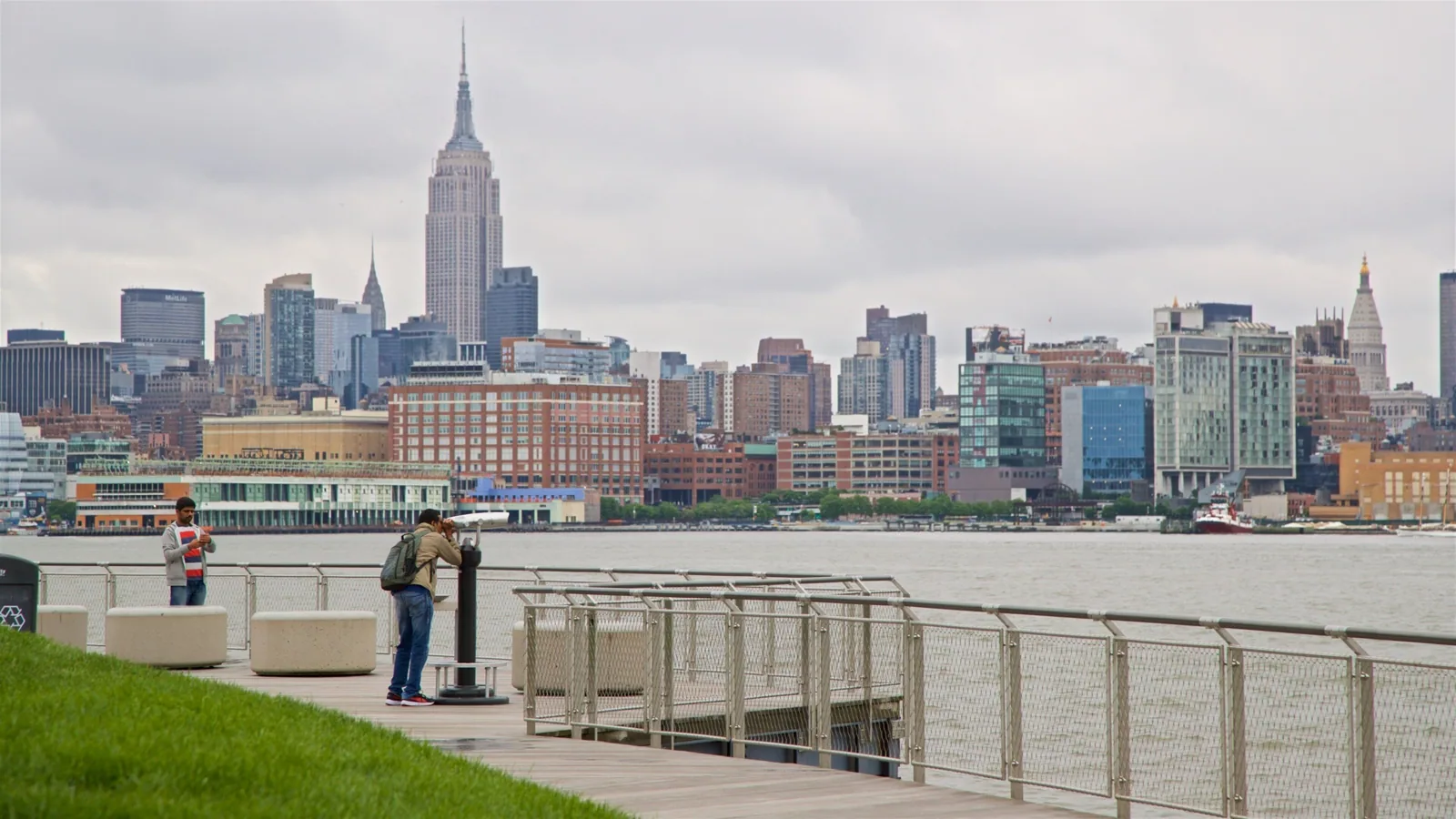
Two of the district's Gilded Age towers, 70 Pine Street (1932, 66 floors, 952 feet) and 40 Wall Street (1930, 70 floors, 927 feet), show why age and fame prove nothing about a roof, so the roof is surveyed for what it is. A buyer in the Financial District gets the same report format as one in Hoboken, where 30,202 housing units were counted in 2020, so models across markets can be compared.
How are flood and storm history reflected?
Sandy's flooding in 2012 covered about 17 percent of New York City, and the Ida downpour of September 1, 2021 peaked at 3.15 inches in a single hour. The survey asks what each event did to the building and what the owner repaired. Roof damage from either storm shows up as wet insulation, displaced coping or failed flashing, and the cores answer the question.
The report records leaders, overflows and equipment anchorage, which determine how the roof will handle the next event. Each leader is flushed and the flow noted; each overflow is measured against the parapet; each rooftop unit is checked for tie-down and for a curb that matches. These are the items an engineer for the lender will ask about, and having the answers in the first report saves a second site visit. A building with a documented record of storms and repairs is easier to underwrite than one with a gap. The infrared moisture survey is the first tool, and cores confirm what it finds.
How does the survey carry into ownership?
The report becomes the baseline for the buyer's roof register. The ratings, the core logs and the photographs go into the file, and the first inspection after closing compares itself with them. The roof capital planning work reads the same report to set replacement dates and budgets.
For a lender, the same report supports a holdback or a reserve. For a seller, an early survey can support the asking price. For an owner refinancing, a current roof condition report answers the lender's roof question without a second visit. Real estate investors and REITs that buy repeatedly keep the report format constant across deals, so each new roof is read the same way as the last.
Commercial Roofing Questions
What decides how fast a due diligence survey can be done?
Access and weather. With a seller who grants access in the first days and a dry forecast, the field work takes a day and the report follows within the contract period. Rain delays the ponding readings, and a hose test can substitute. We confirm the schedule once the contract dates are known.
Can the survey be done without cutting cores?
Infrared and a drone give a good picture, but only cores confirm what is wet. If the seller restricts cutting, we report what we could measure and state what remains unknown, so the buyer can price the uncertainty.
What goes on the immediate repair list?
Items that affect safety or water entry in the next season: failed flashing over occupied space, open coping joints, blocked leaders and similar. Each gets a cost range. Items that can wait go on the two-year list.
Does the survey cover New Jersey properties?
Yes. The method is the same. The code notes in the report say that Local Laws 92 and 94 reach only New York City, and that a New Jersey property follows state and municipal codes confirmed with its local building department.
Who owns the survey results?
The party that commissions it, subject to any agreement with the lender or buyer. We deliver the report, the core logs and the photographs, and we keep a copy on file for later updates if the client asks.